Stories
Feature articles that go deeper than a fact sheet — the history, the craft, and the details worth knowing before you go.
Stories
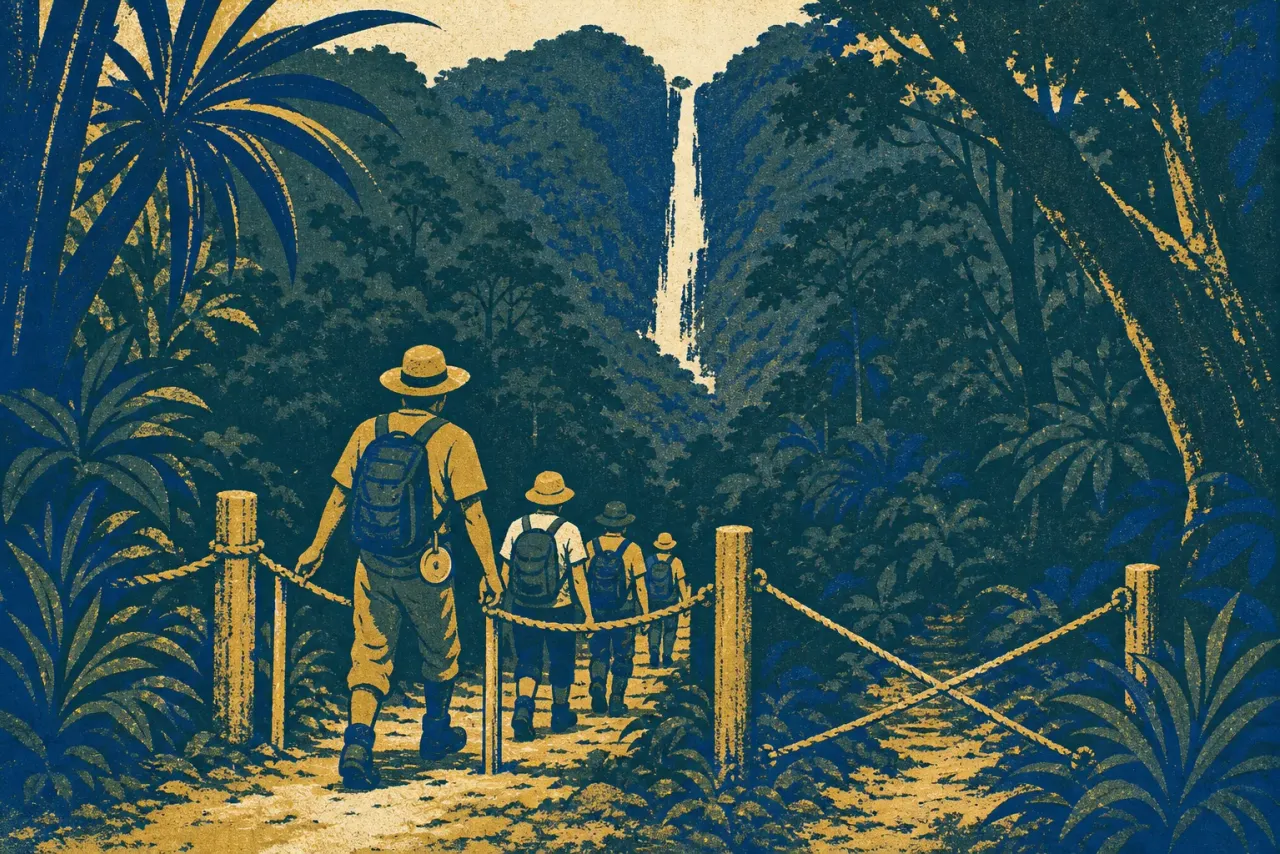
Permits, caps and registered guides: booking Iriomote's restricted trails before you leave home
Five of Iriomote's best routes, Pinaisara Falls included, have been closed to unapproved entry since 1 March 2025, with caps as low as 30 people a day and a Japanese-only booking portal. Here is exactly how the approval works, what it costs, and how far ahead to start.
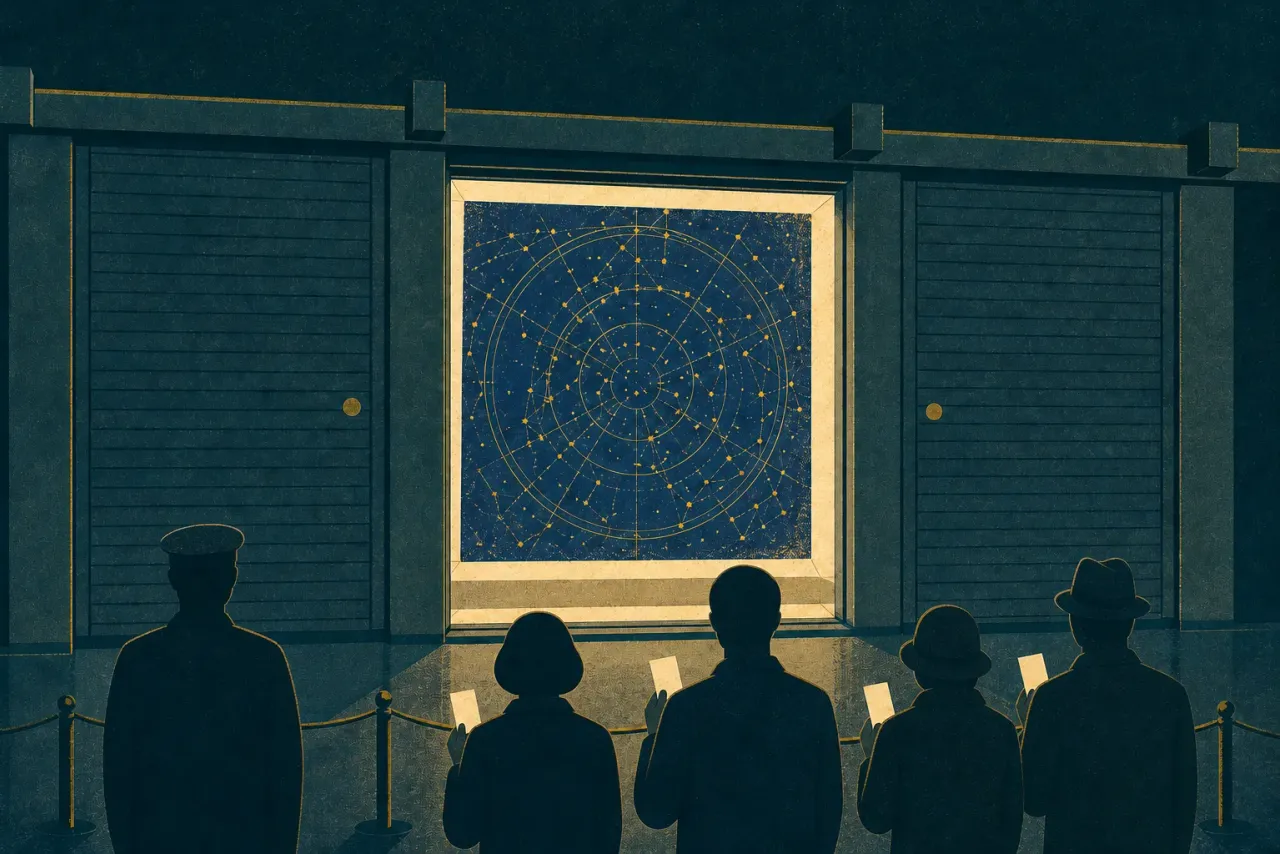
The Star Map That Opens a Few Weeks a Year
Everything on permanent display in Asuka is a replica: the painted chambers that made these tombs famous are dismantled or sealed. The real Kitora murals, including East Asia's oldest scientific star chart, surface only in short application-only viewings, about four a year and three in 2026.
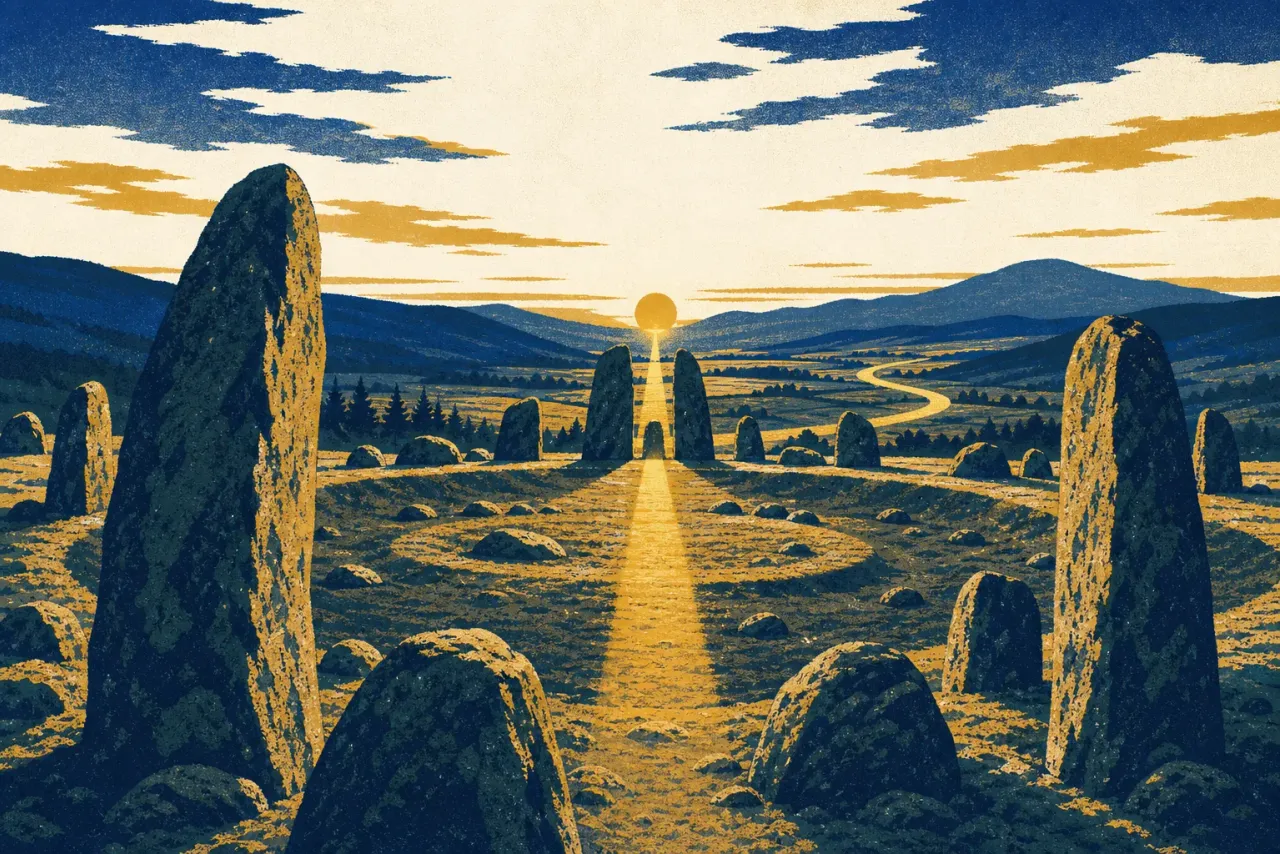
Stone circles and a solstice line: driving the Jomon sites beyond Aomori
The argument that persuaded UNESCO lives mostly outside Aomori City, in stone circles and burial earthworks that close for winter and sit a taxi ride from the nearest station. A five-site route from Iwate to New Chitose, timed to the summer solstice.
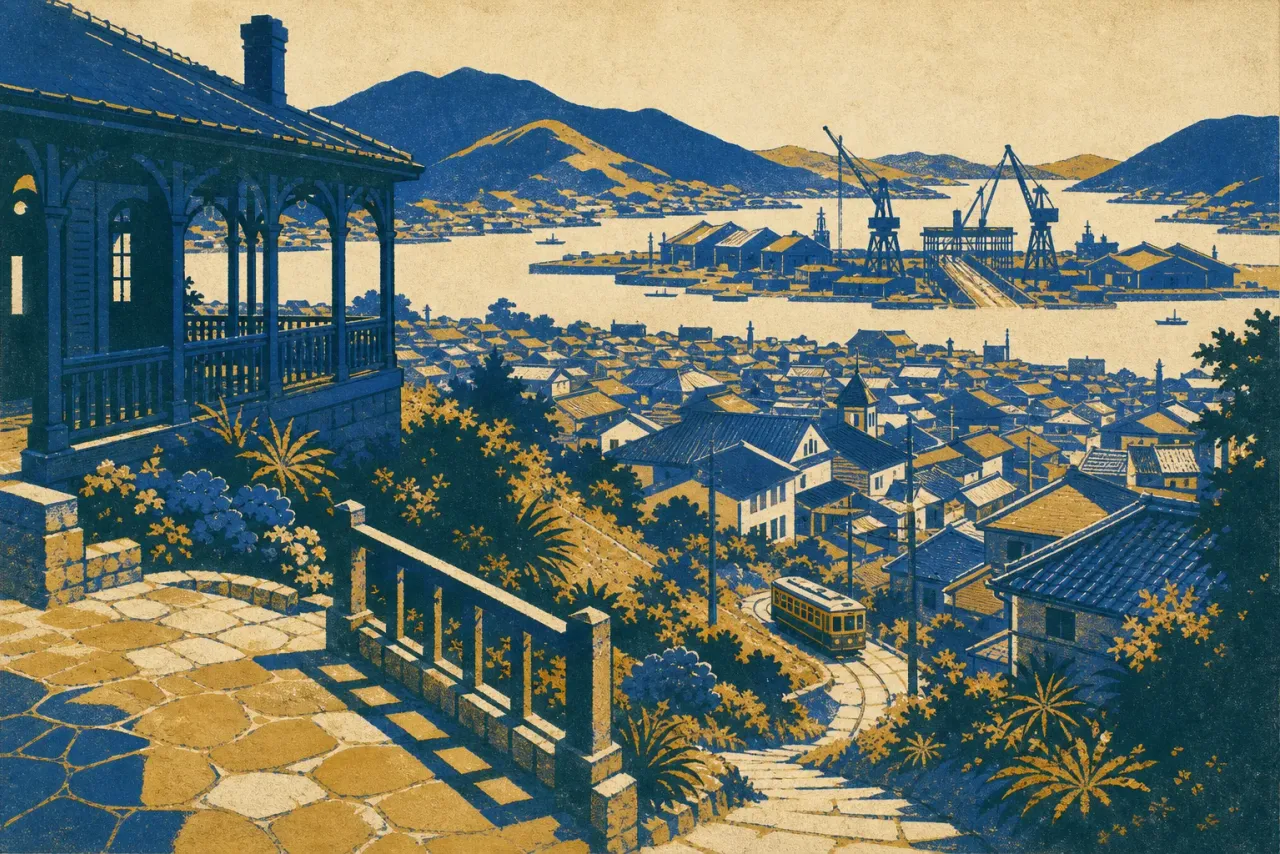
The ruin you can't enter, the city you can: reading Meiji Nagasaki from the hillside
Gunkanjima is one component of twenty-three. A day on foot and by tram through Glover Garden, Chinatown, and Mt. Inasa explains the inscription better than the famous ruin does.
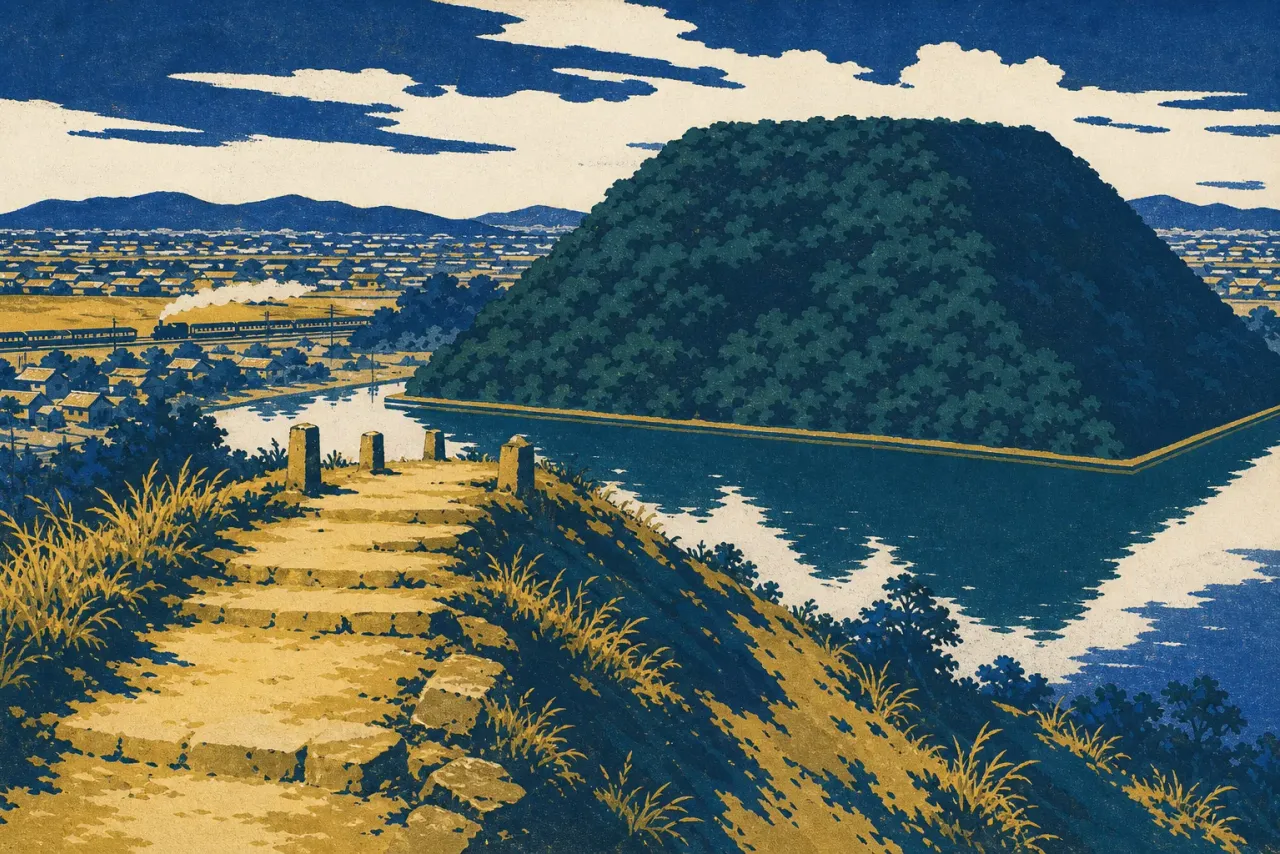
The Tombs You're Allowed to Climb: A Day in Furuichi, the Half Everyone Skips
The quieter half of Osaka's tomb group holds the bigger mound by volume, the only summits you may stand on, and a National Treasure shown three hours a week. Why Furuichi deserves its own Saturday.
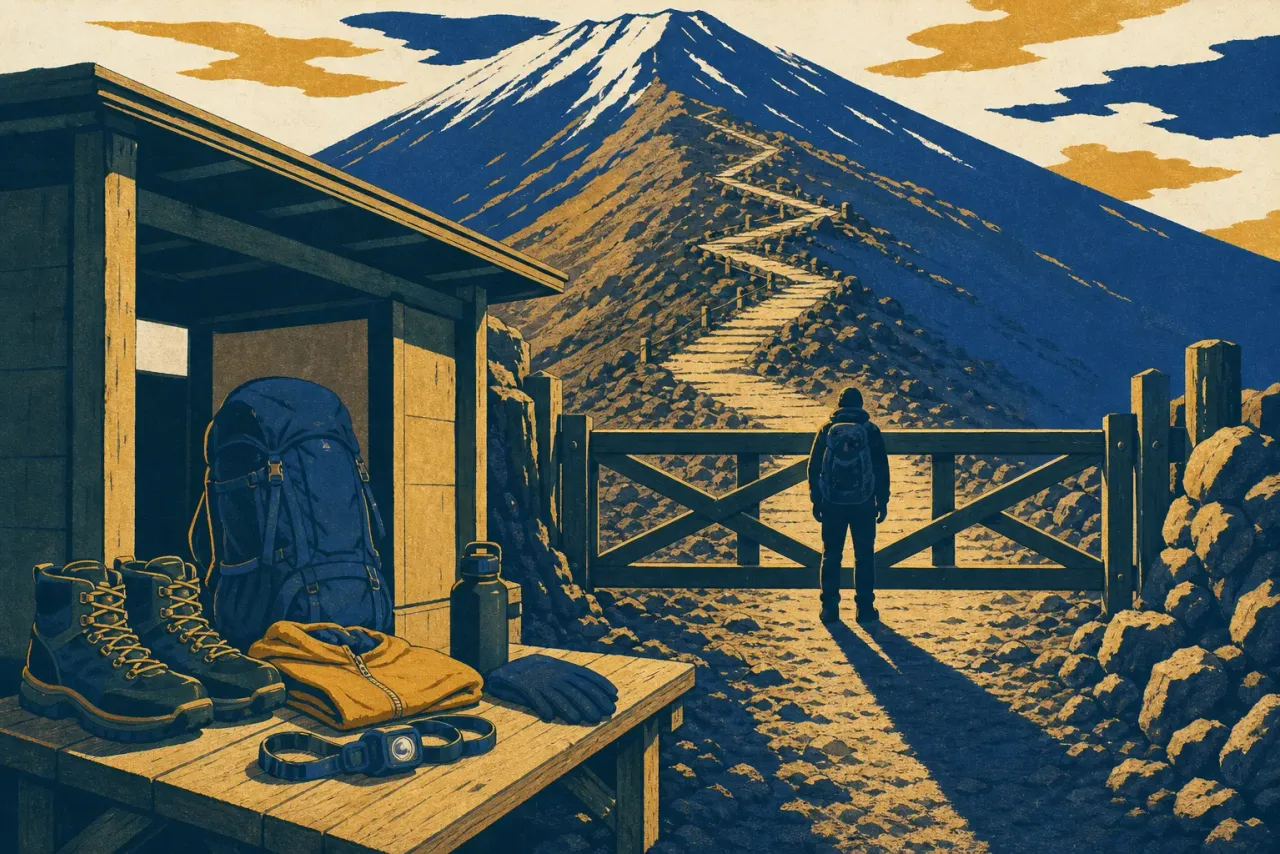
Permits, gates and a 14:00 curfew: climbing Mount Fuji under the 2026 rules
Advance registration on two separate systems, a 4,000-yen fee, a mandatory online test on the Shizuoka side, and gates that shut at 14:00: what it actually takes to climb Mount Fuji in 2026, and how to build a plan the rules will let through.
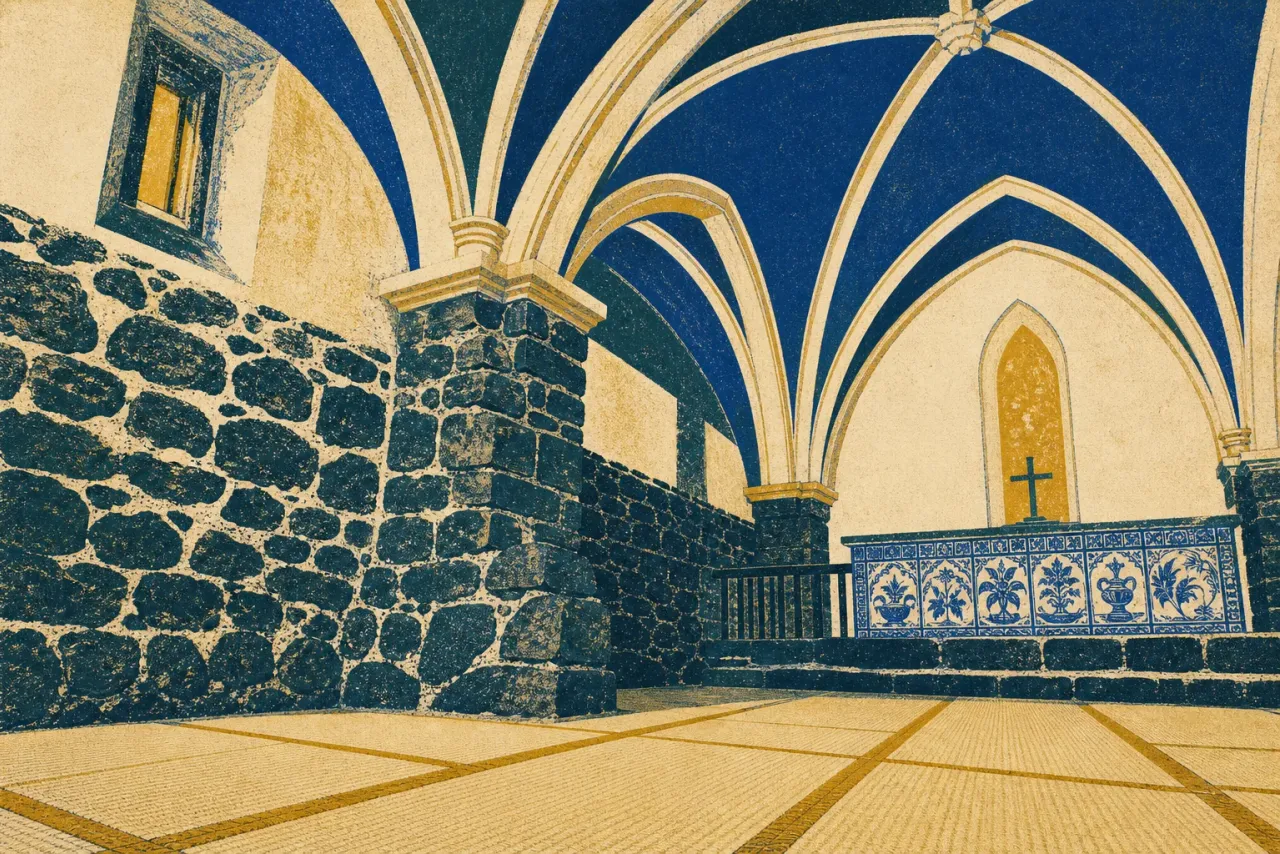
Basalt, Rib Vaults and Arita Tiles: How to Read a Nagasaki Church
The Hidden Christian Sites were inscribed for a faith that built nothing at all. Learning to read the churches that came afterward — basalt rubble, island sandstone, tatami under Gothic vaults — is how the story comes into focus.
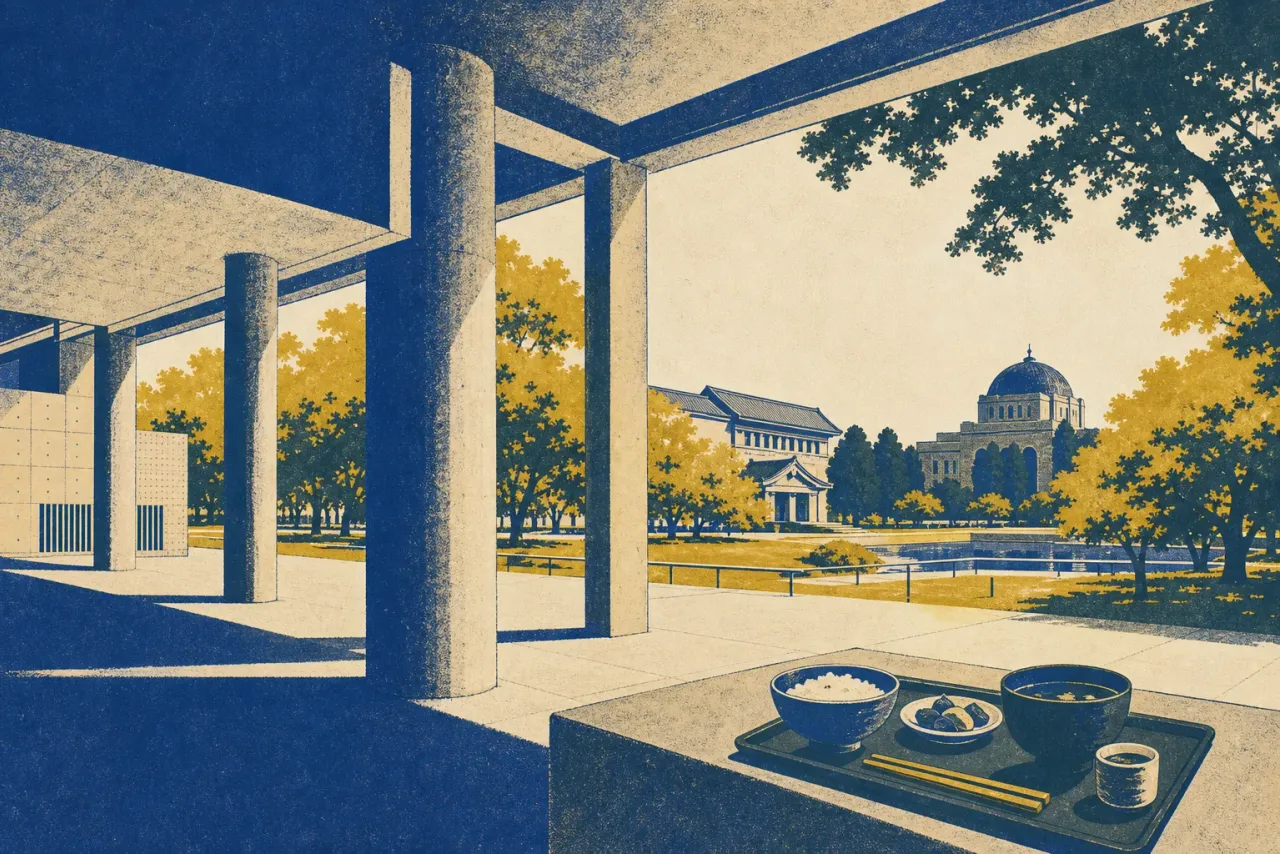
Half a day in Ueno: one World Heritage museum, four more, and where to eat after
How to build an easy half day around the National Museum of Western Art: honest timings for the Le Corbusier building, which one of Ueno Park's other museums to add, and where to eat when you're done.
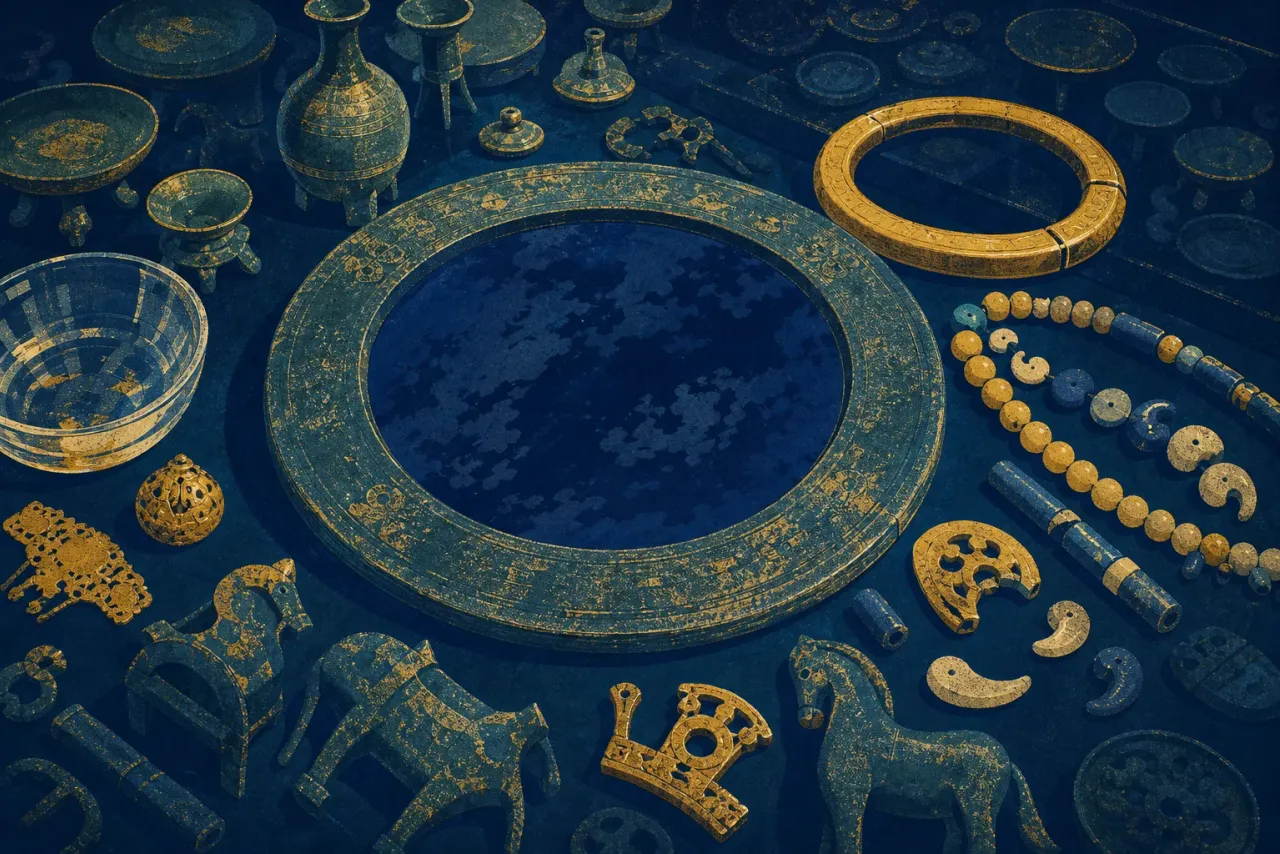
Eighty thousand offerings and an island no one may describe
No one may land on Okinoshima, and no one who has may say what they saw. What UNESCO actually protected off the Fukuoka coast, and where the rest of us can meet its 80,000 treasures.
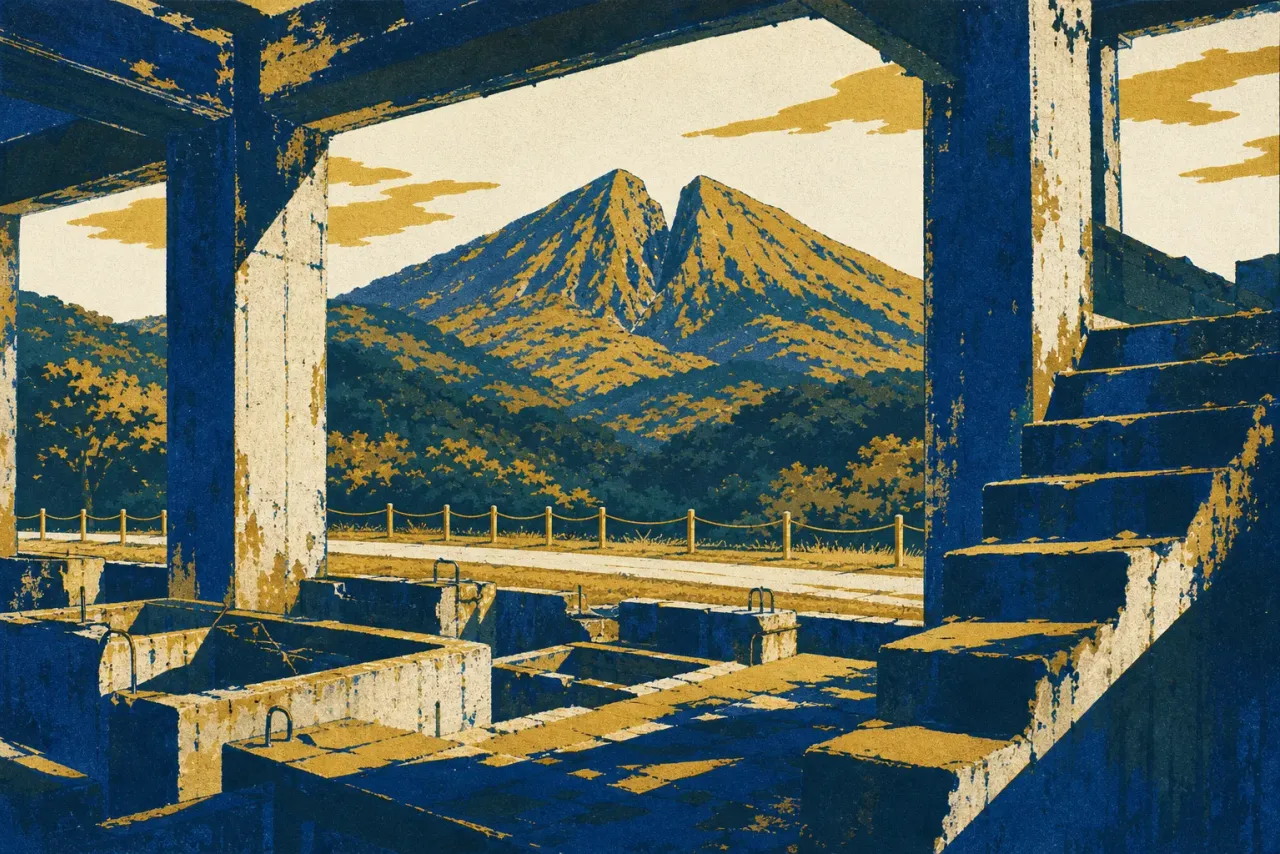
The split mountain and the concrete ruin: why only half of Sado's mining past is World Heritage
The most photographed ruin on Sado sits outside the World Heritage boundary on purpose. Understanding where ICOMOS drew the line, and why, is the most useful homework you can do before the ferry.
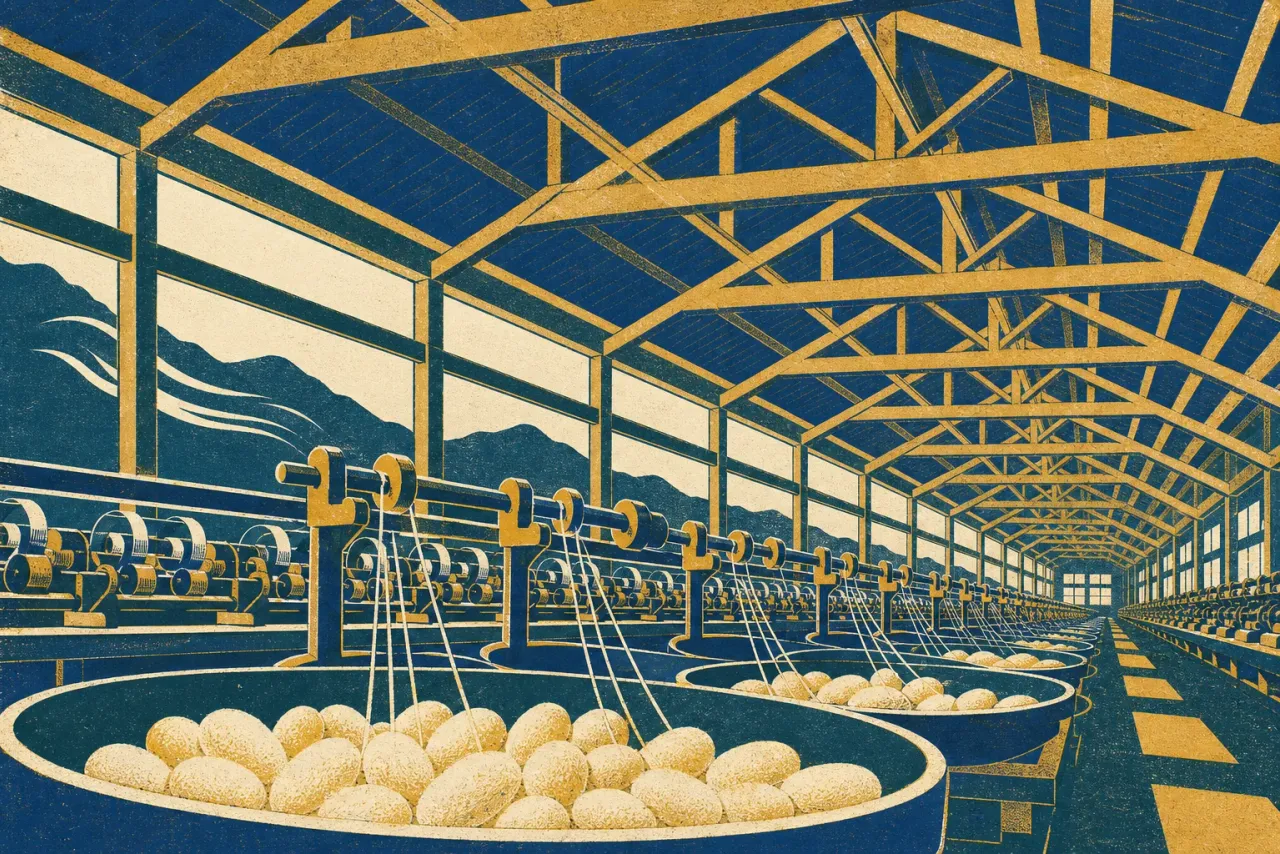
Cocoons, Cold Air and a Column-Free Hall: Reading the Four Sites That Built Japan's Silk Empire
Tomioka isn't inscribed as a lone factory but as a four-site production line: eggs refrigerated by a mountainside, silkworms raised on moving air, a school that standardized the craft, and a reeling hall with no columns. How to read each one.
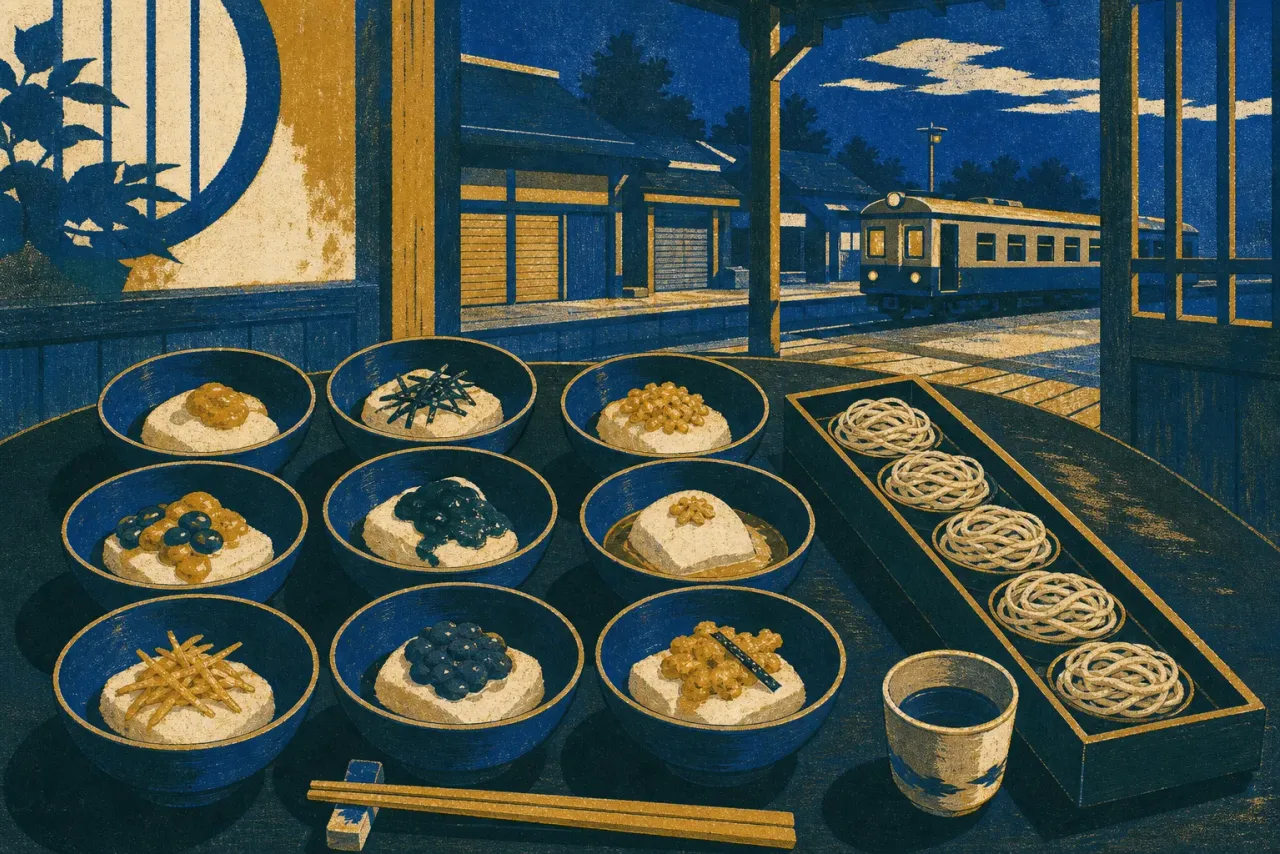
Nine Bowls of Mochi and a Tray of Soba: Eating Your Way Through Hiraizumi and Ichinoseki
In this corner of Iwate, mochi is a savory multi-bowl meal and wanko soba arrives pre-poured on a tray. The catch: the sightseeing district closes by early evening, and the centerpiece meal is a lunch one train stop away.
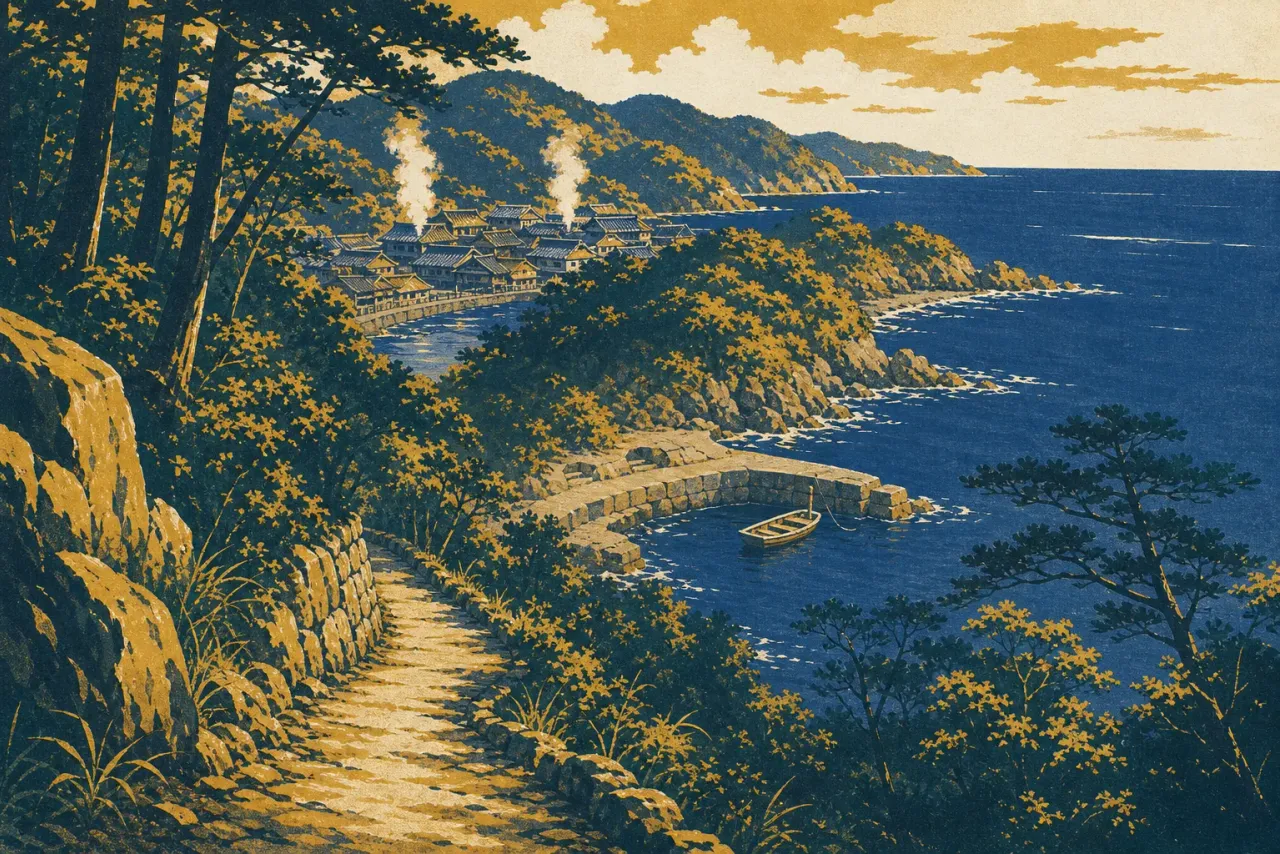
Follow the silver to the sea: the ports, roads and hot springs most visitors never reach
Five of Iwami Ginzan's fourteen inscribed components sit nowhere near the mine: two transport roads and the ports they fed. Walking the 12 km trail to Okidomari, and sleeping in the hot-spring port of Yunotsu, is the half of the site most visitors never see.
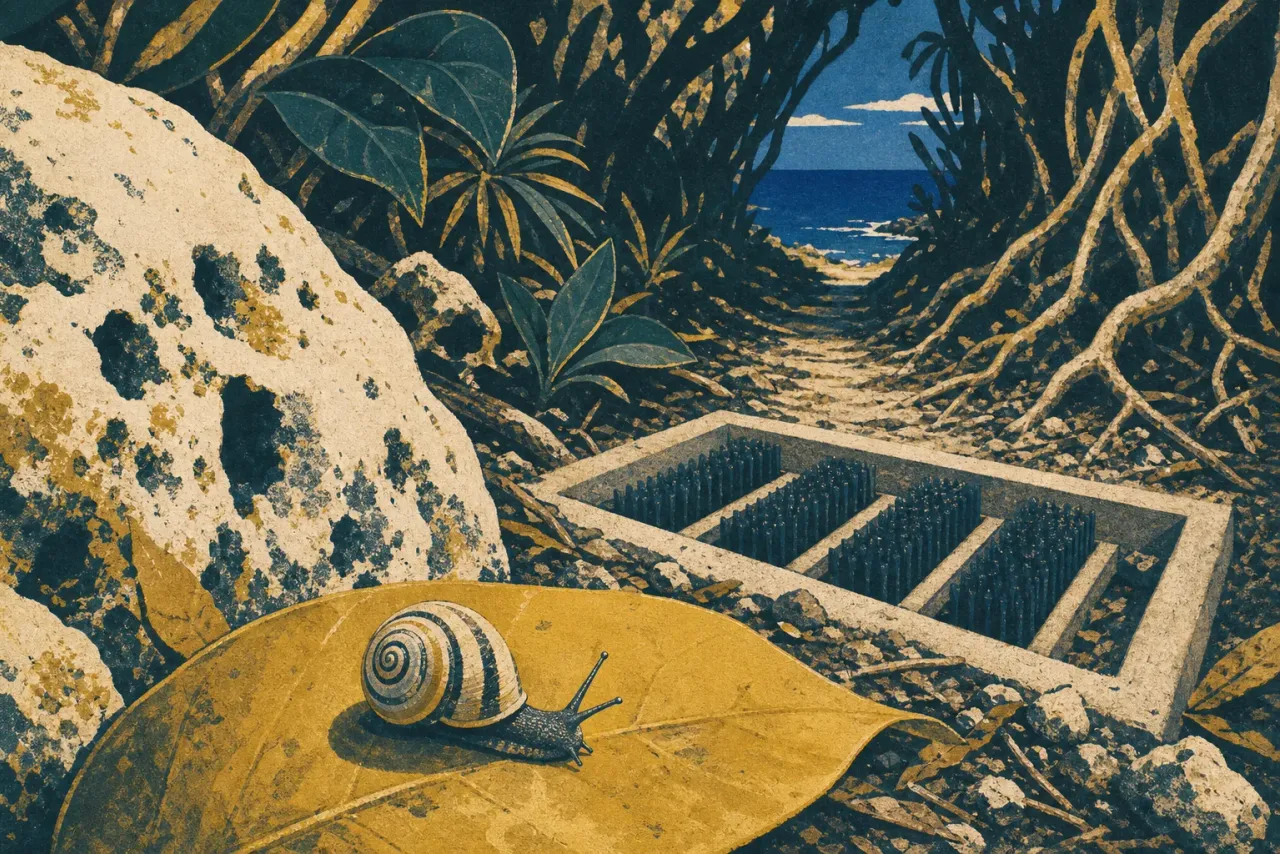
An evolutionary laboratory you can snorkel: what the Ogasawara Islands are actually protecting
No temple, no castle, no single framed view. Ogasawara was inscribed for a process still running: land snails at 94 percent endemism, forests with no continental equivalent, and rules that make sense the moment you understand why.
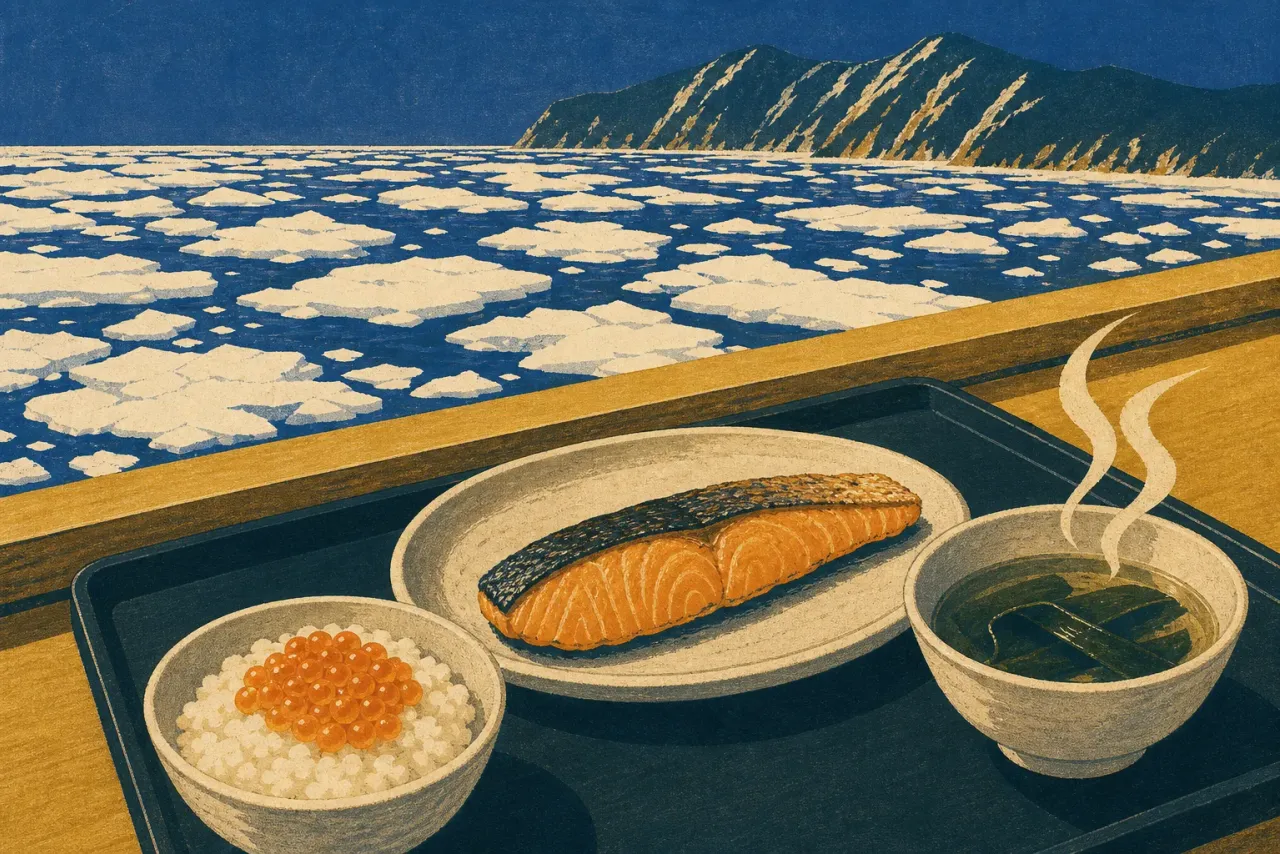
Ice, Salmon, Bear: Eating the Food Chain That Made Shiretoko a World Heritage Site
Shiretoko's UNESCO citation describes a system that runs from sea ice to plankton to salmon to bears. Utoro's menus describe the same thing, which makes dinner here a form of interpretation.
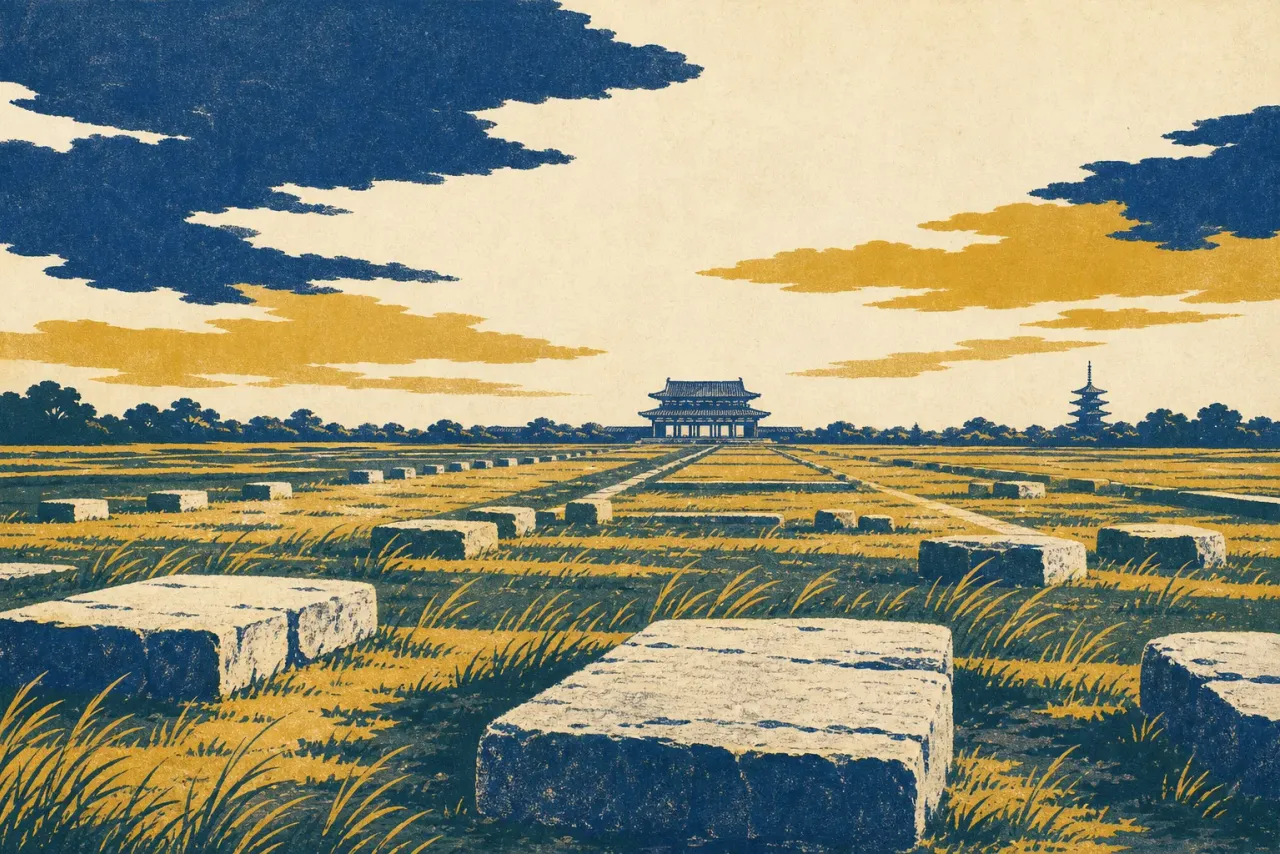
Beyond the deer park: a half day where Japan was invented
Yakushi-ji, Toshodai-ji, and the field where the imperial palace stood: the western half of Nara's World Heritage inscription is nearly crowd-free and explains what the eighth-century capital actually was.
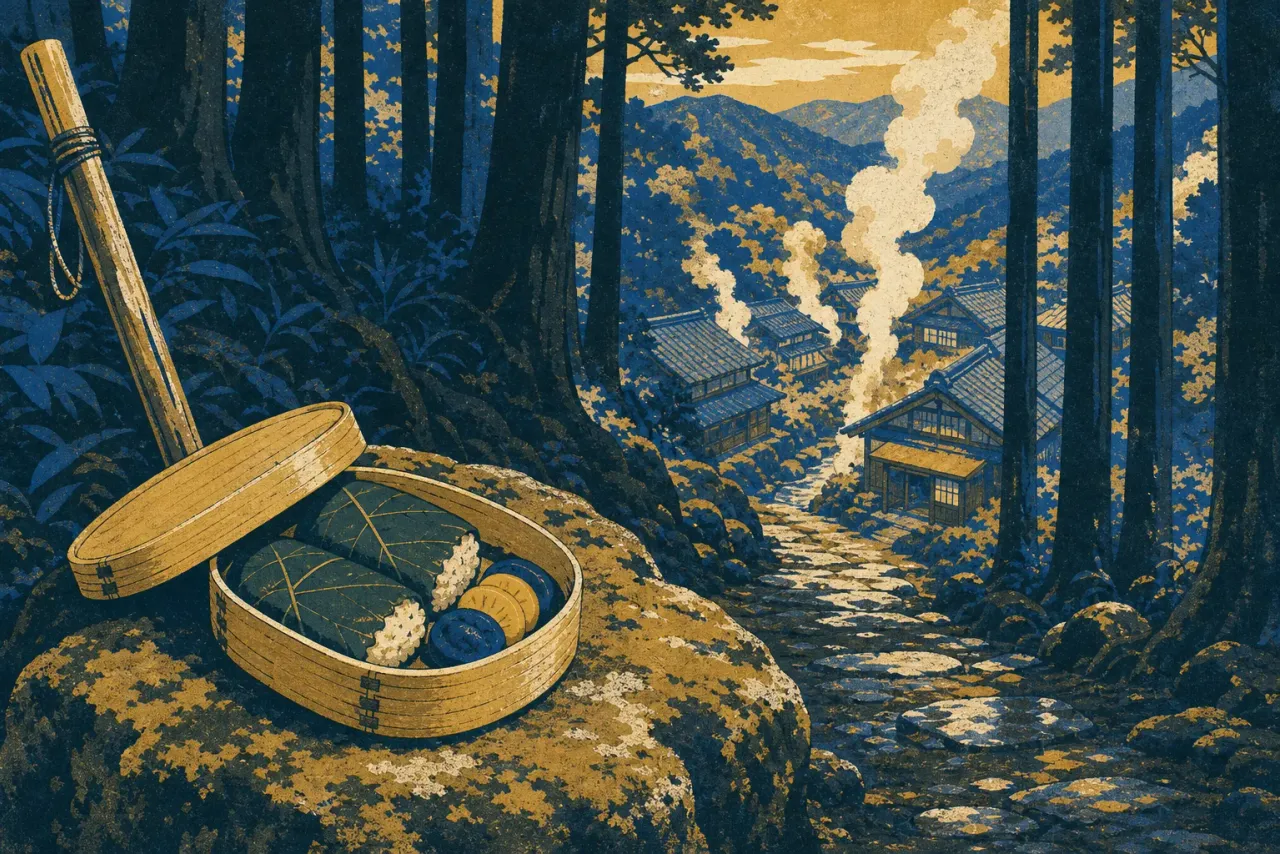
Two Days on the Nakahechi: Walking, Soaking, and Eating the Kumano Pilgrim Way
The classic two-day walk from Takijiri-oji to Hongu, plus the hot-spring hamlets and trail food that reward it.
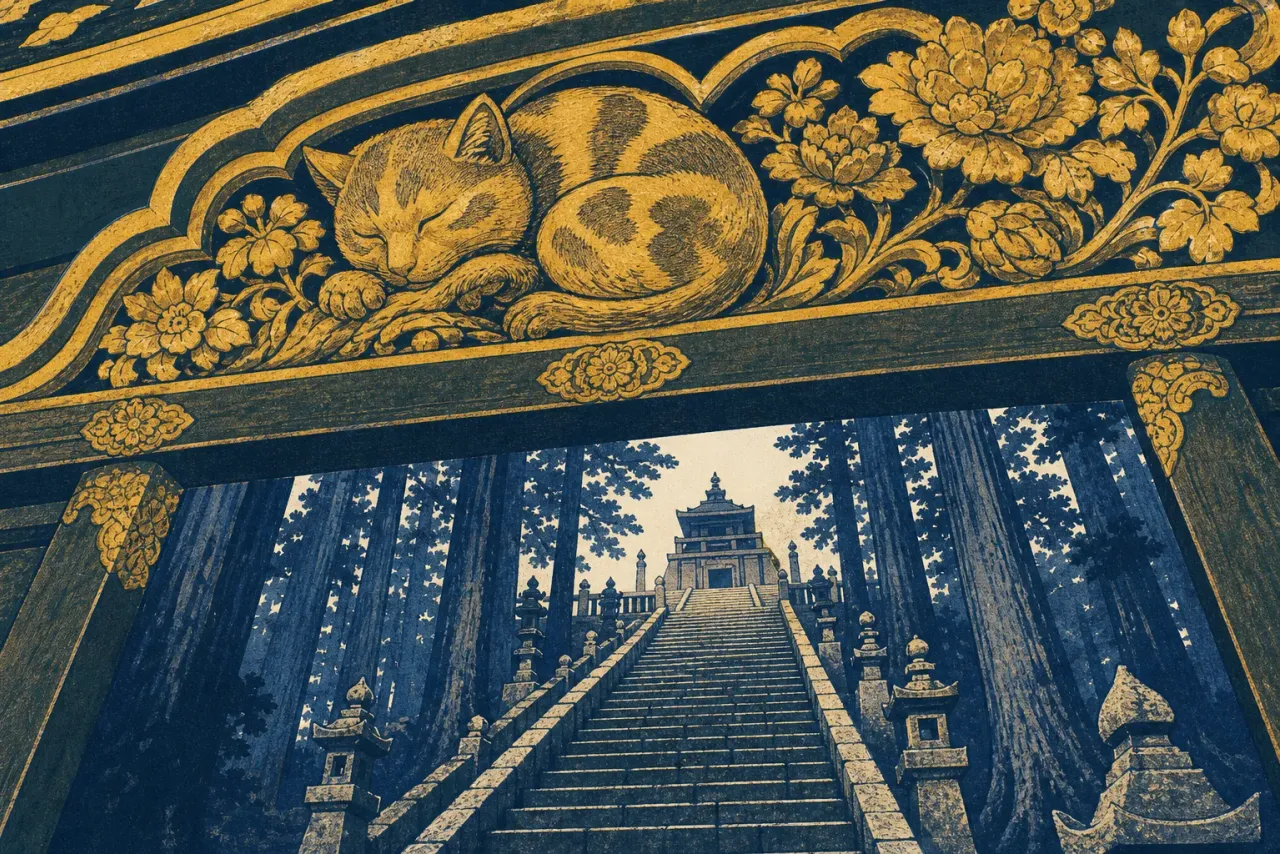
Why is Toshogu so gaudy? Reading the monkeys, the cat, and the politics of gold
Toshogu's gold was a government proclamation issued in carving and leaf. How to read the monkeys, the sleeping cat, and the plain stone tomb at the top of 207 steps.
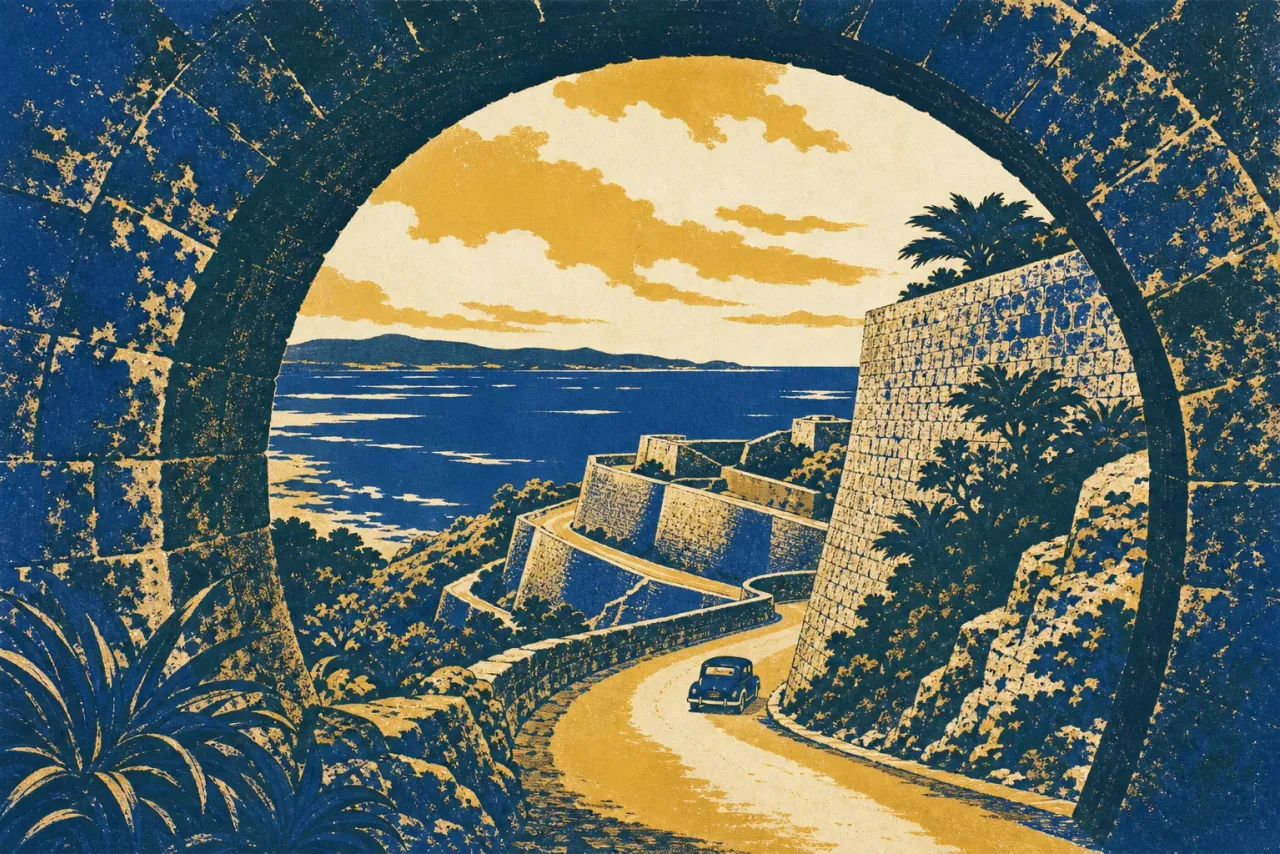
Beyond Shuri: driving the gusuku trail through Okinawa's lost kingdom
Five of Okinawa's nine World Heritage gusuku sit an hour or more from Naha, and several keep their original six-hundred-year-old walls. A rental-car route through Nakagusuku, Katsuren, Zakimi, Nakijin, and the sacred grove of Sefa-utaki.
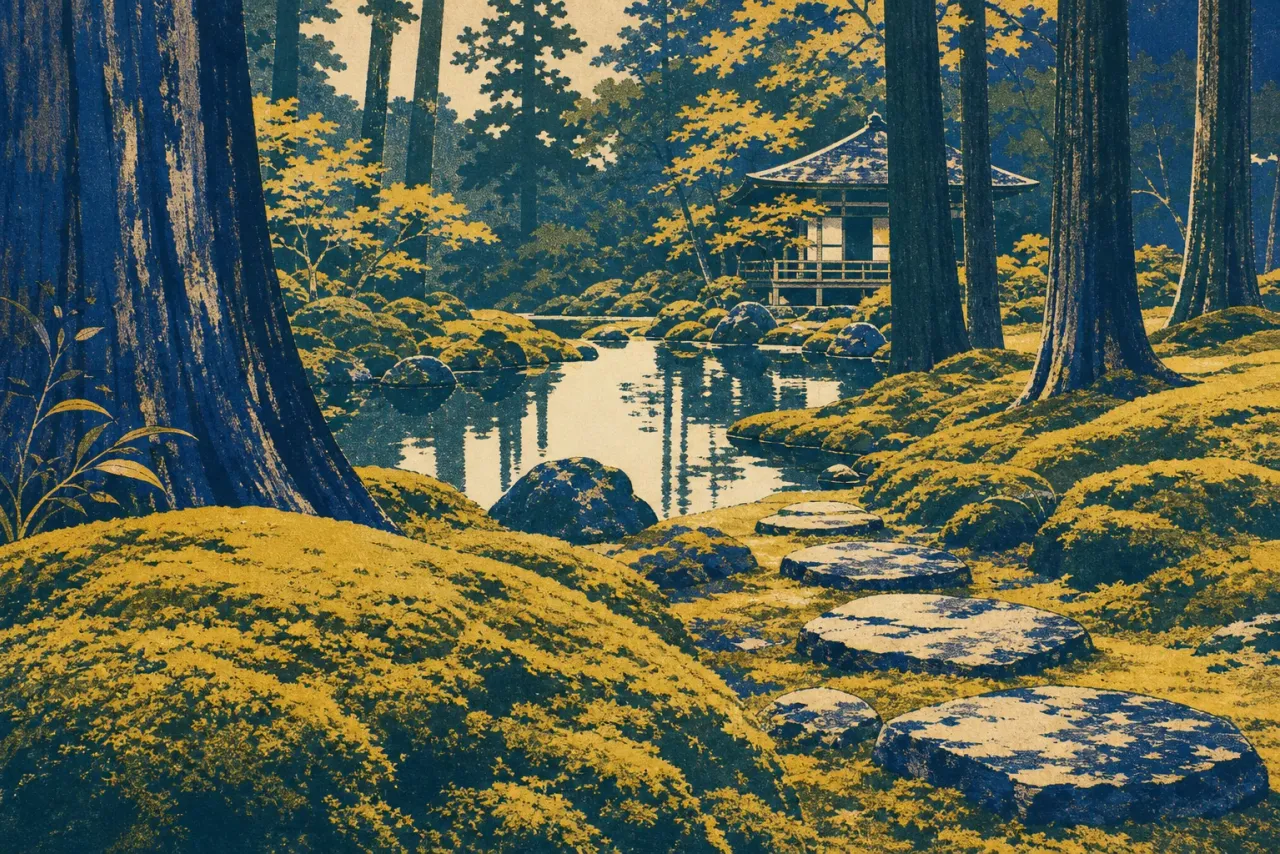
The Moss Temple and the Sacred Mountain: Kyoto's World Heritage You Must Plan For
Saiho-ji books out two months ahead, Enryaku-ji swallows a full day on a mountain, and Byodo-in's best ticket can be gone by noon. How to handle the Kyoto World Heritage sites that don't take walk-ins lightly.
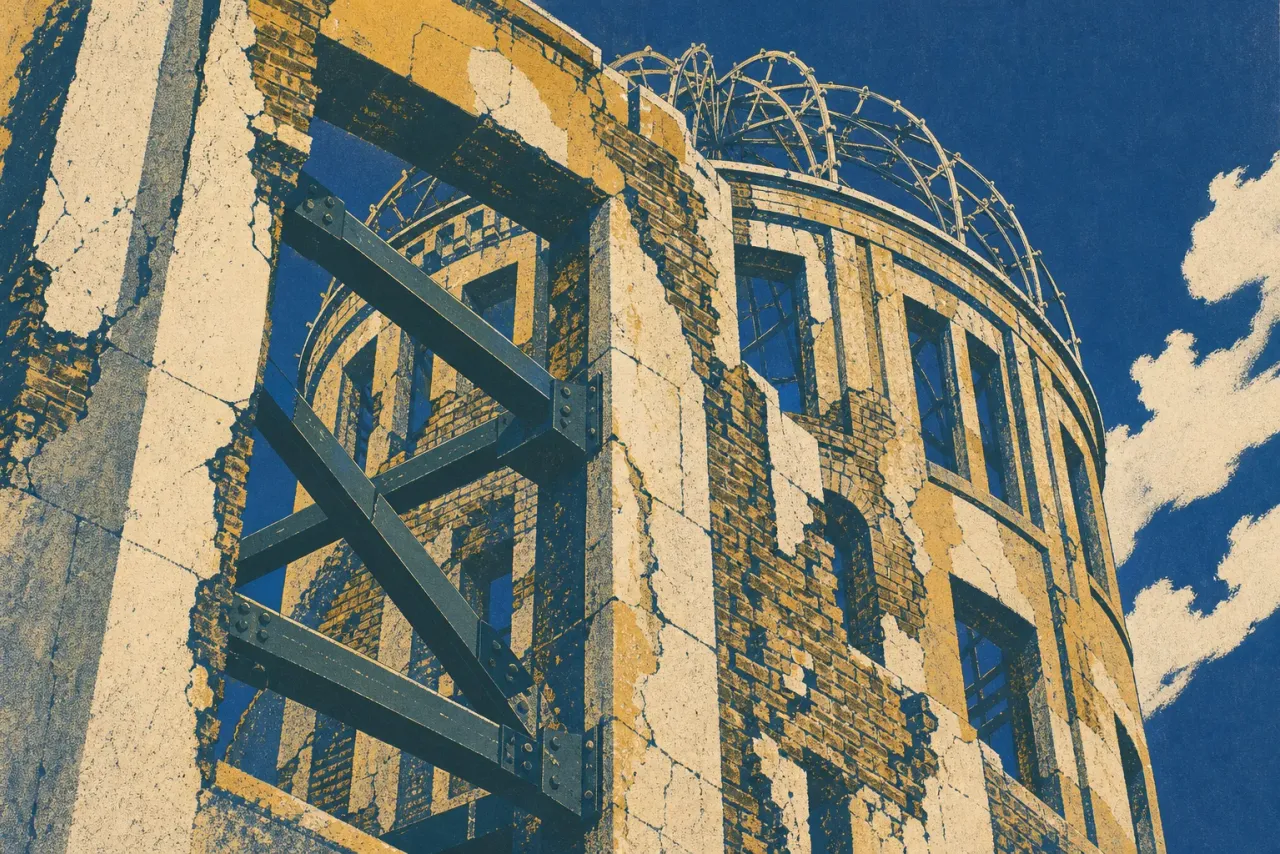
The Building That Refused to Fall: Why the Genbaku Dome Looks the Way It Does
Steel bracing in 1967 and four campaigns since hold the ruin at the moment of its destruction. The blast geometry, the two decades Hiroshima wanted it gone, and how to read the building now.
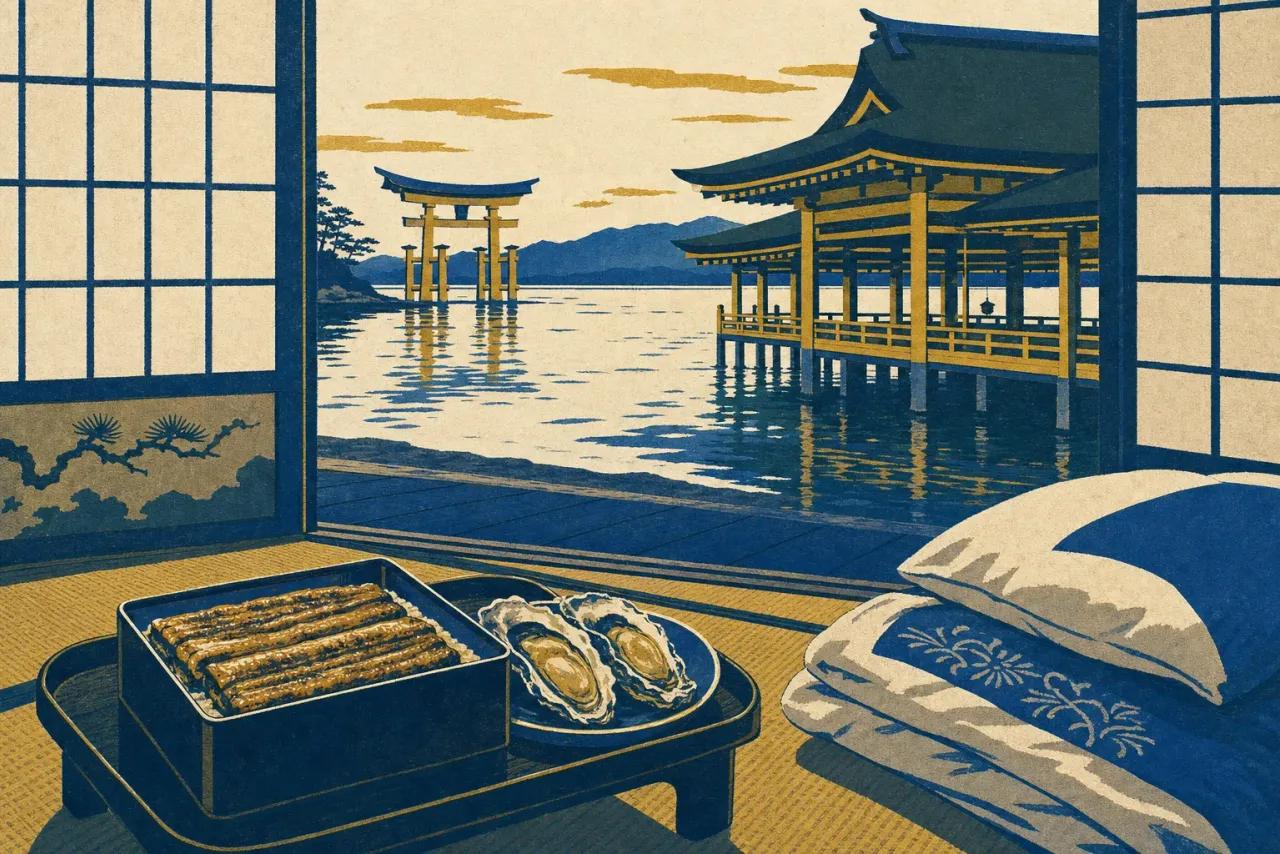
Eel, oysters, and a night on the sacred island: the case for sleeping on Miyajima
The island's most famous eel restaurant sits on the wrong side of the water, and the best hours belong to overnight guests. On the Ueno ekiben, grilled Hiroshima oysters, and what a ryokan rate actually buys.
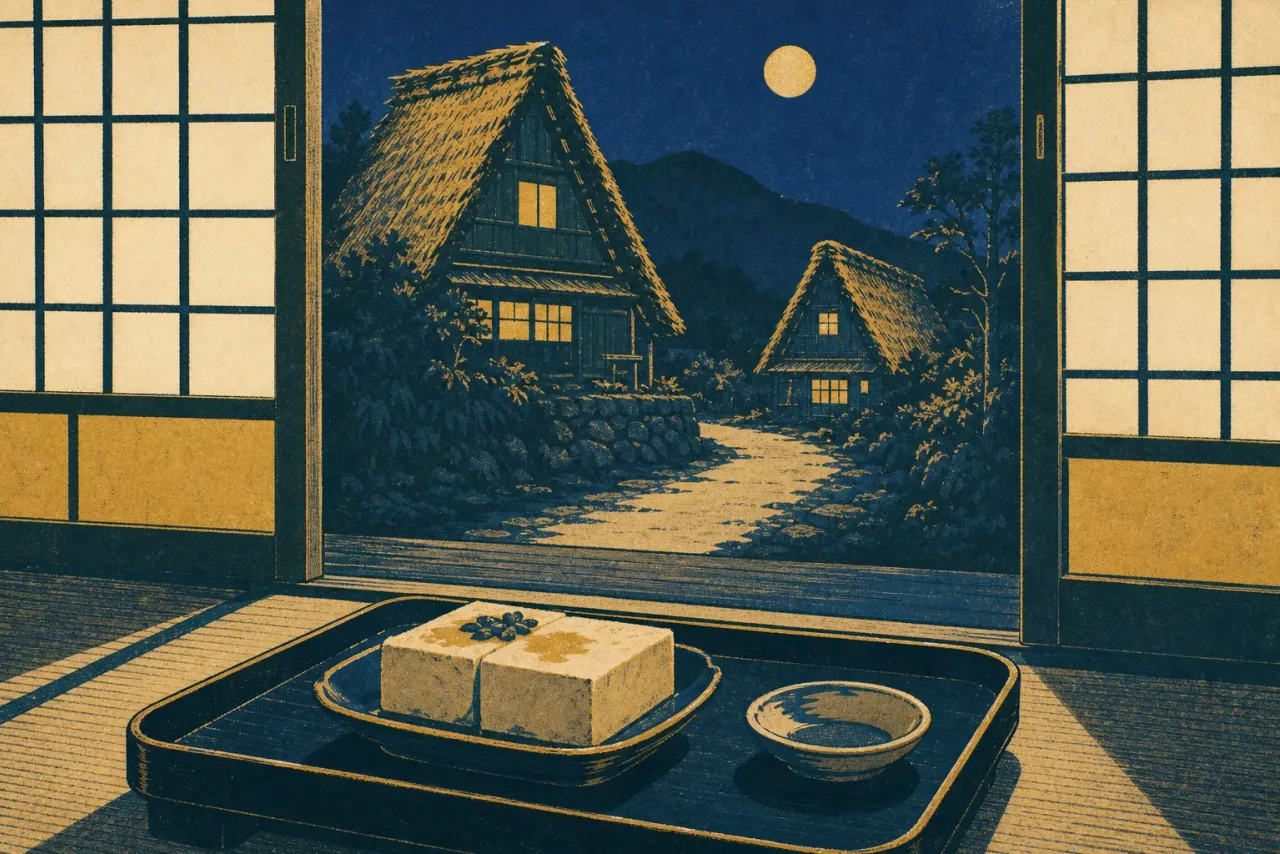
Skip the crowds: why Gokayama is the gassho village you'll remember
UNESCO listed three villages in 1995, and almost everyone visits only one. How to string Suganuma, Ainokura, and Ogimachi together on the World Heritage Bus, what stone tofu and saltpeter have to do with it, and why the night belongs to farmstay guests.
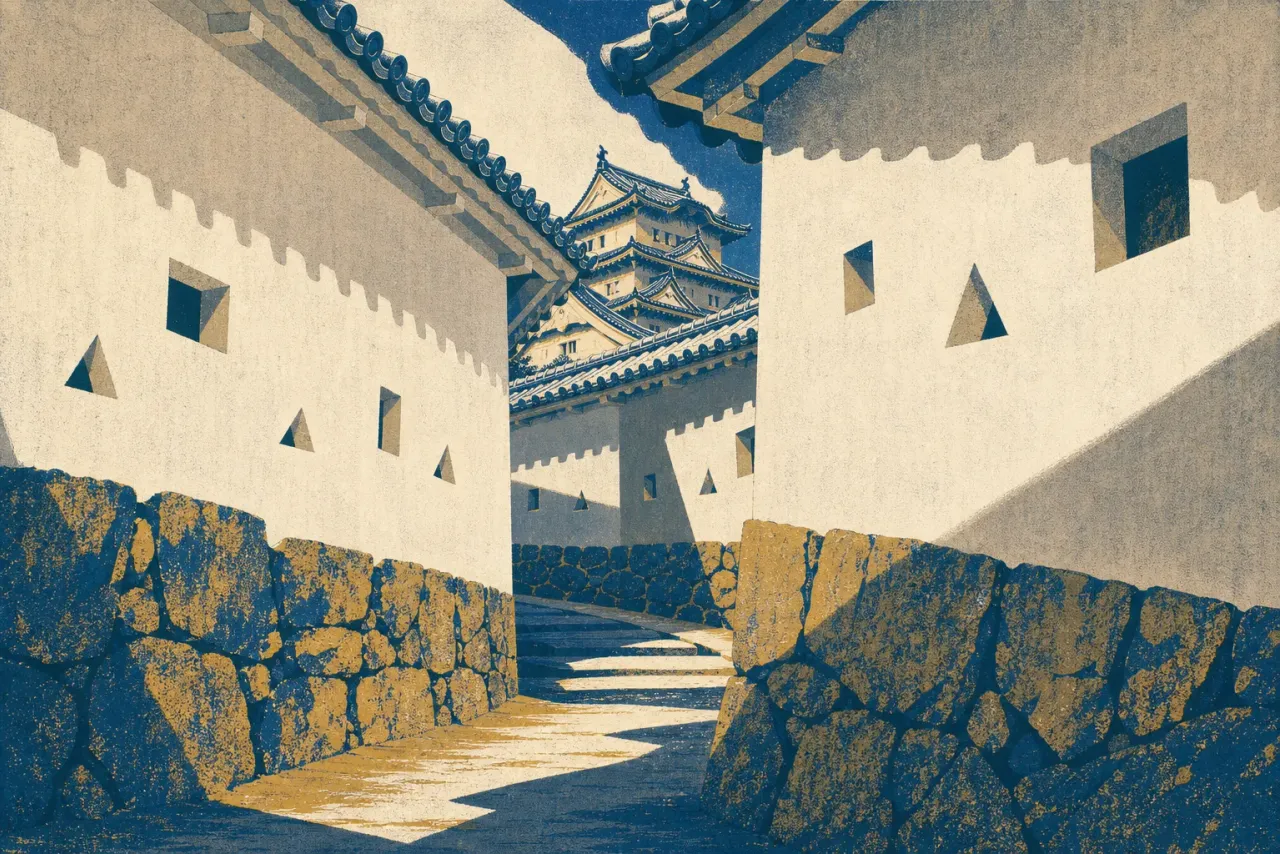
Why the White Heron Still Stands: Reading Himeji-jo as the Masterpiece of Japanese Castle Design
Himeji's white plaster is armor, its ground plan is a weapon, and its new 2,500-yen ticket is a preservation payment. A close reading of the last complete Japanese castle.
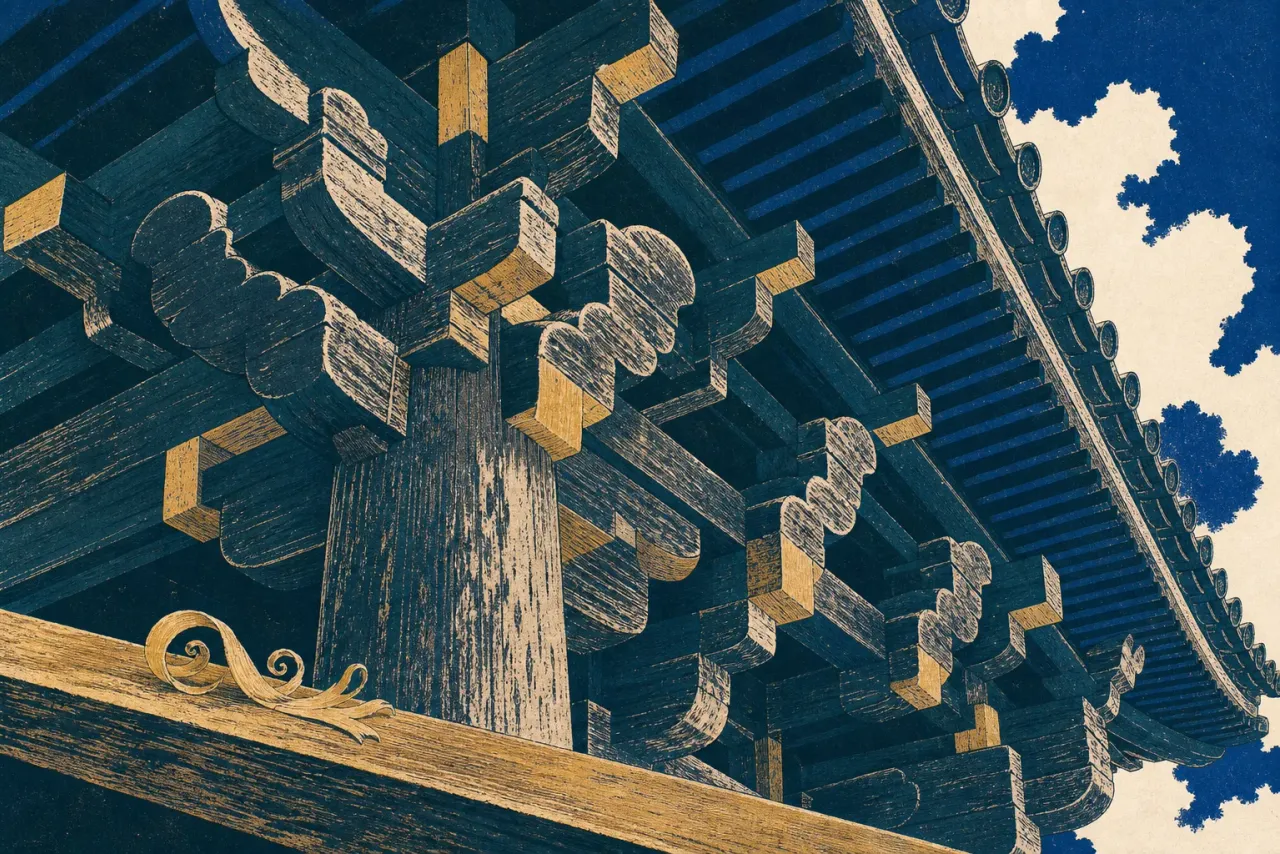
Why a 1,400-Year-Old Carpenter's Trick Still Holds Up Horyu-ji
No secret joint has kept the Kondo standing since the seventh century. What the world's oldest wooden building actually proves is that continuity is the best preservative.
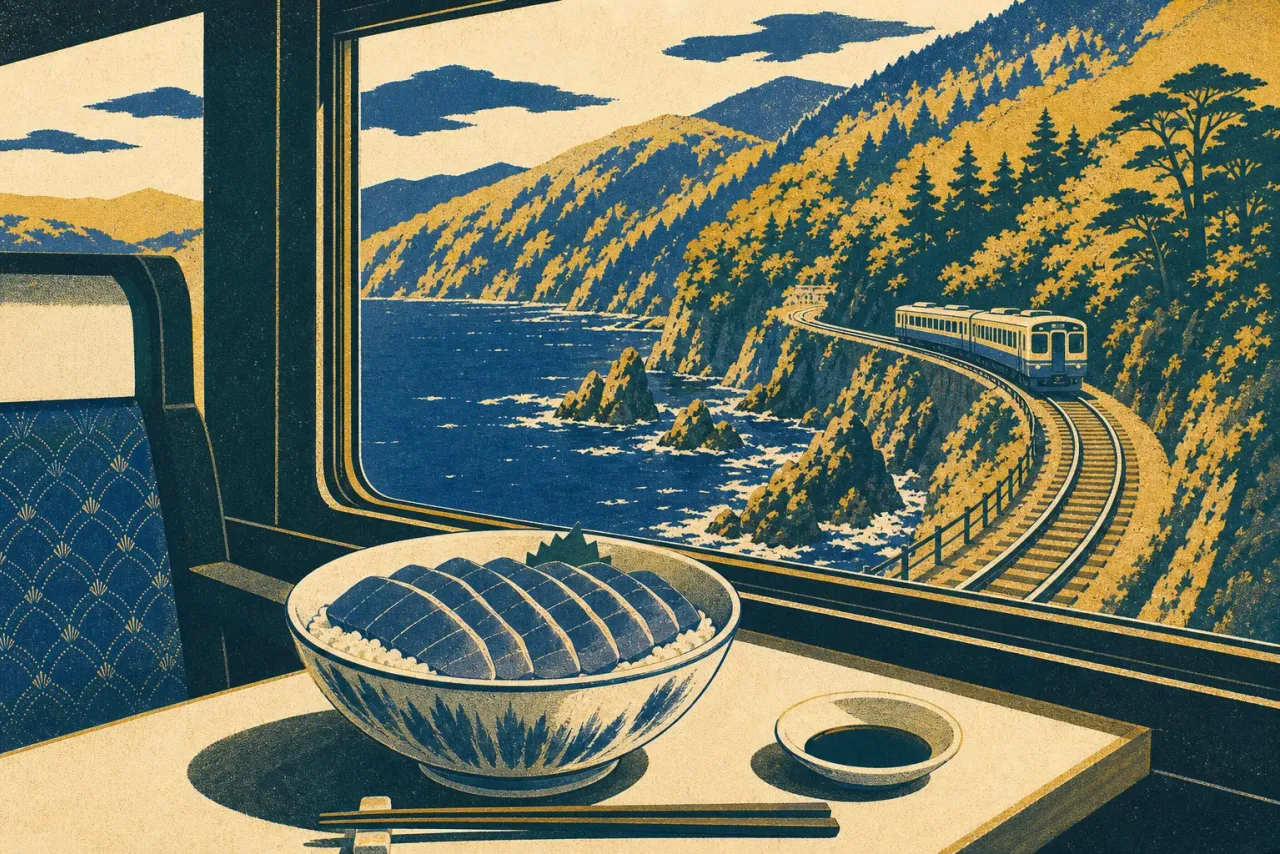
Blue water and bluefin: the Gono Line side of Shirakami-Sanchi
The western flank of Shirakami-Sanchi asks nothing harder of you than a reserved train seat, a flat 45-minute walk to a cobalt pond, and an 1,800-yen bluefin lunch.
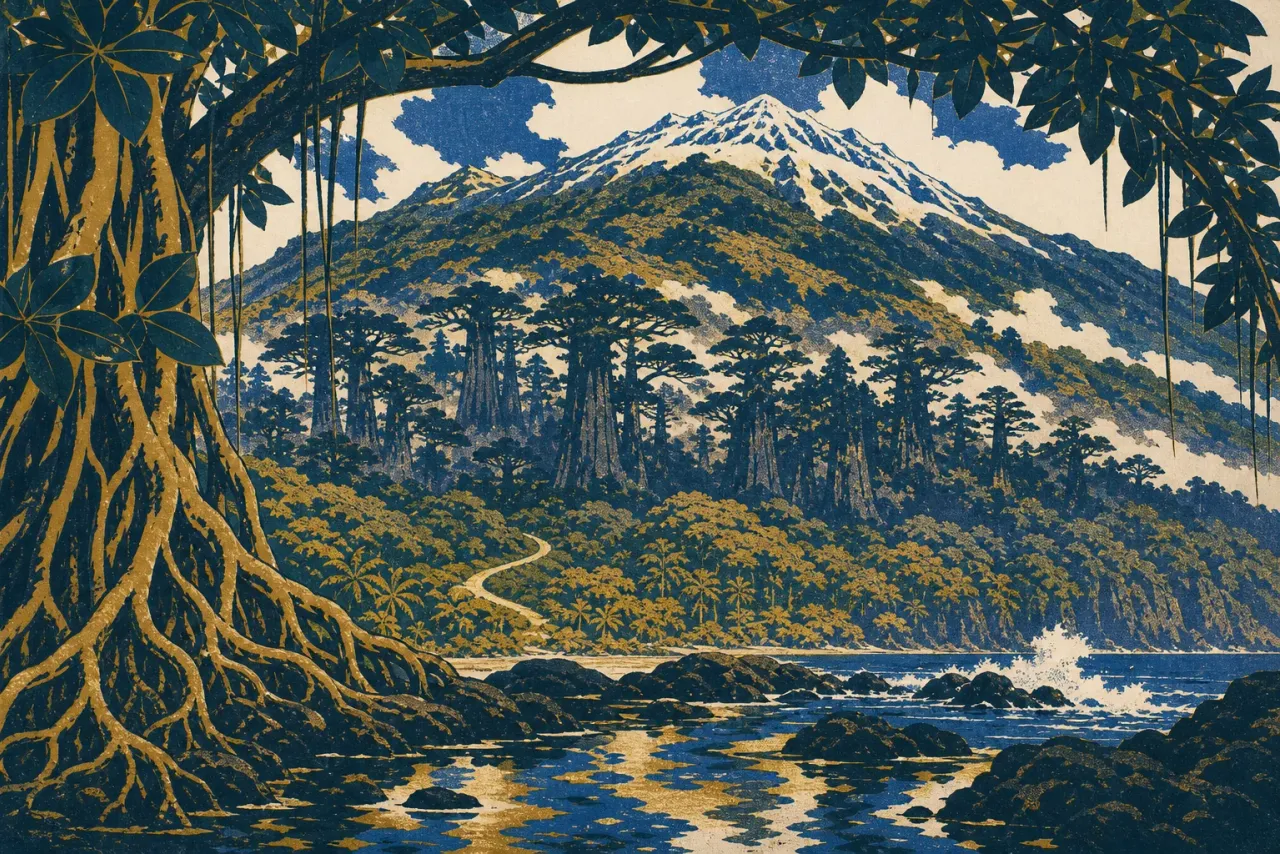
Japan in Miniature: Reading Yakushima's Forest from the Shoreline to the Snowline
Yakushima's World Heritage listing is not about one famous cedar. It is about 2,000 vertical meters that compress subtropical shore into snow-holding summit, and you can read most of it without a twelve-hour hike.
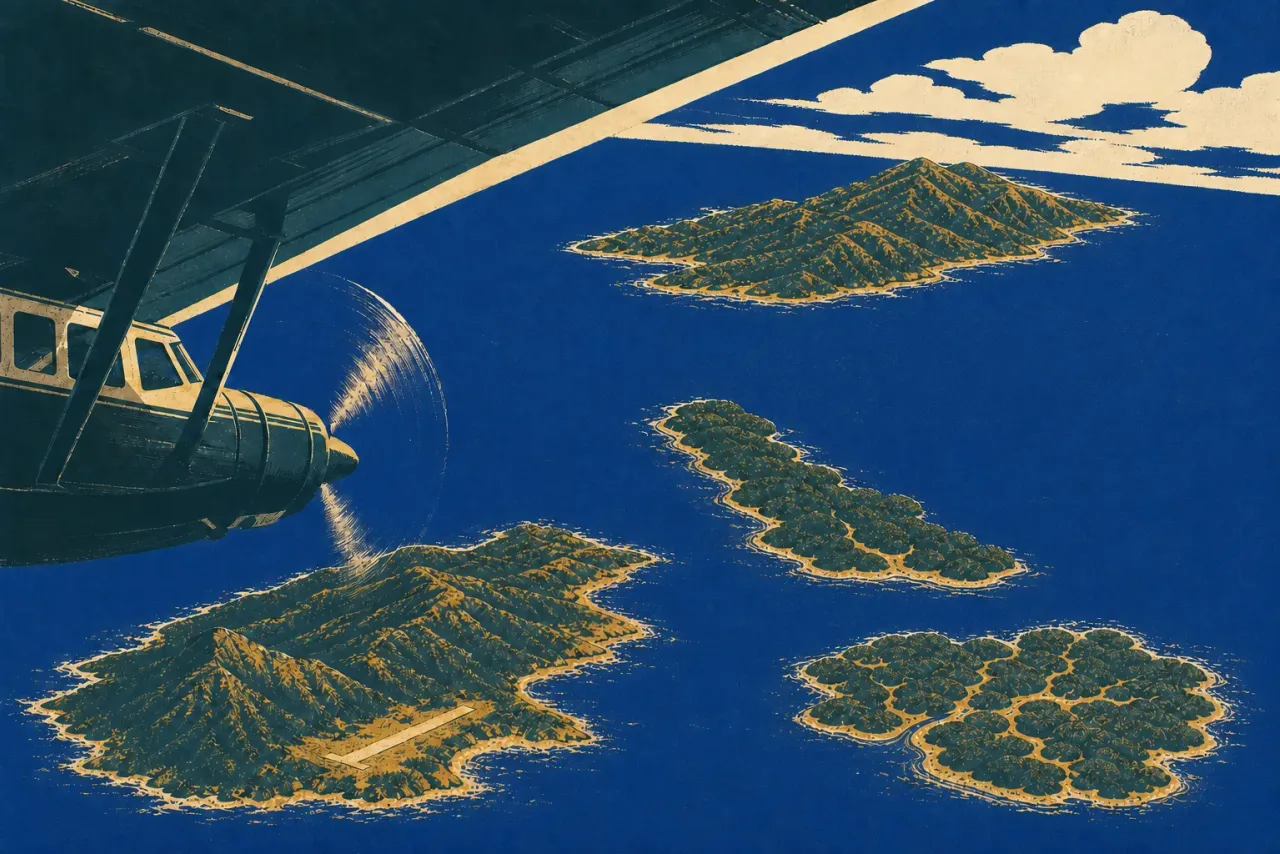
Four islands, one World Heritage site: which one do you actually fly to?
The 2021 inscription covers five component parts on four islands across 800 kilometers of ocean, and there is no way to do them all. A practical comparison of Amami-Oshima, Tokunoshima, Yanbaru and Iriomote: how hard each is to reach, how tightly access is controlled, and who each one suits.
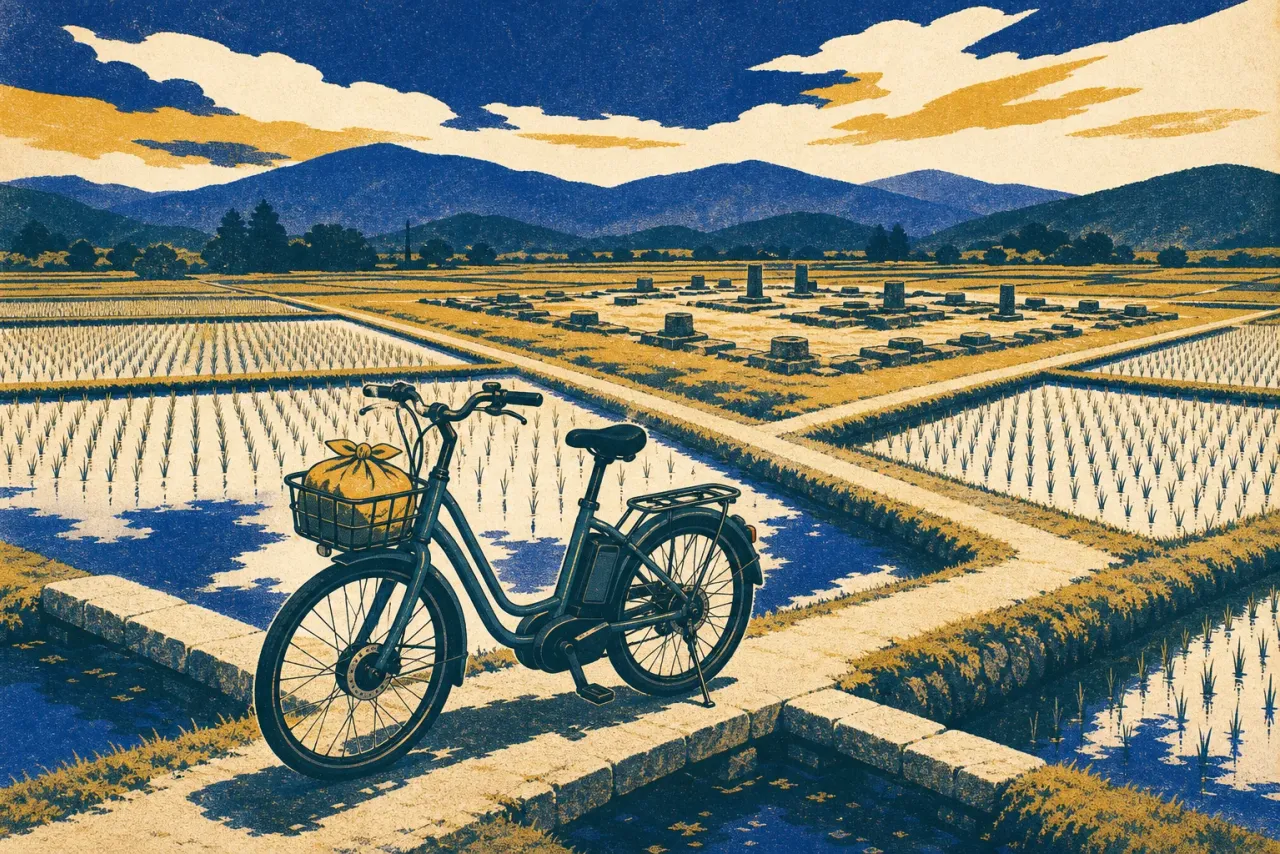
One Bicycle, Nineteen Ruins: How to See Japan's Newest World Heritage Site in a Single Day
Nineteen sites, three kilometers of rice paddies, a bus that runs roughly once an hour. The workable answer in newly inscribed Asuka is an electric bicycle, the official five-hour loop, and a lunch you planned before you got hungry.
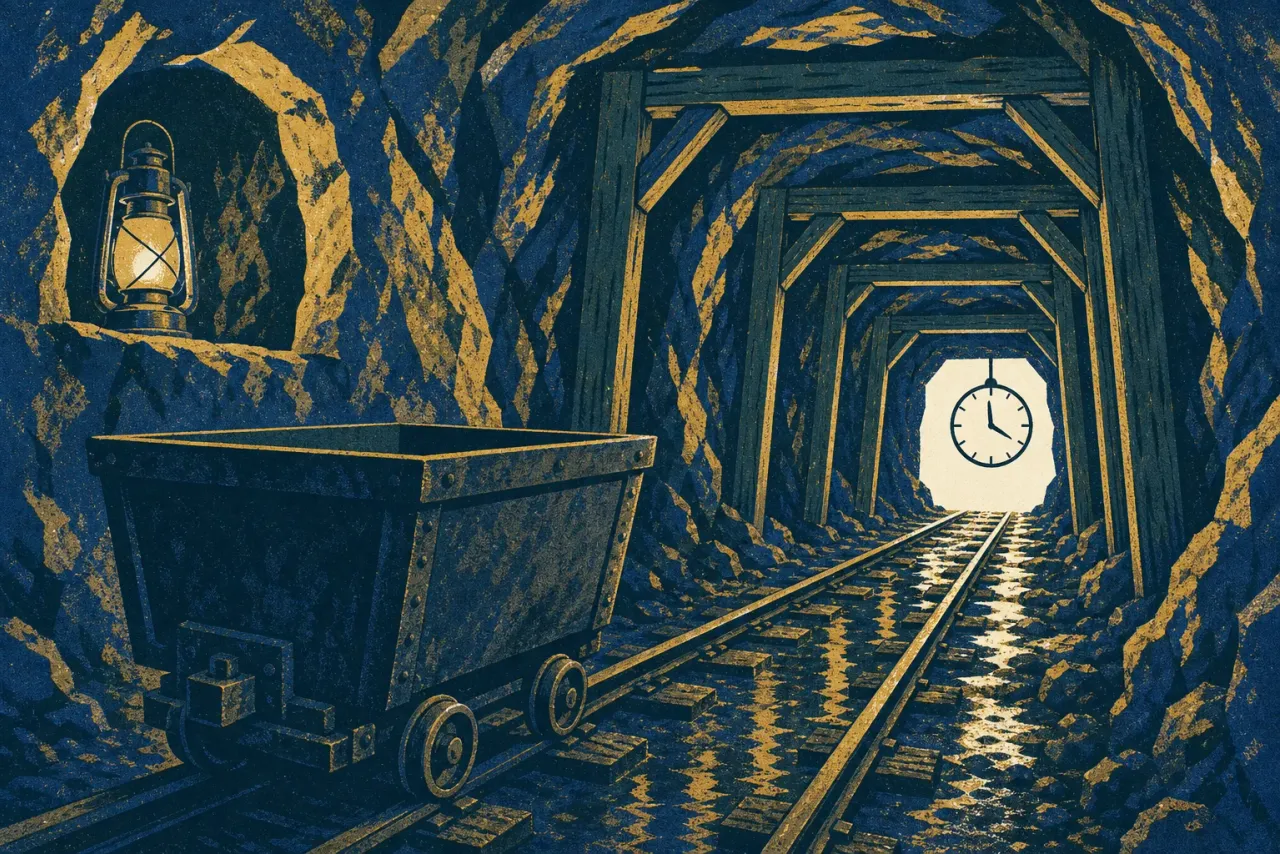
Ninety minutes underground: how to actually do the Sado gold mines in a day from Tokyo
Last admission at Sado Kinzan comes well before closing, and the jetfoil cancels in rough weather. Build the day backward from the ticket window and a Tokyo day trip to the gold mines actually works.
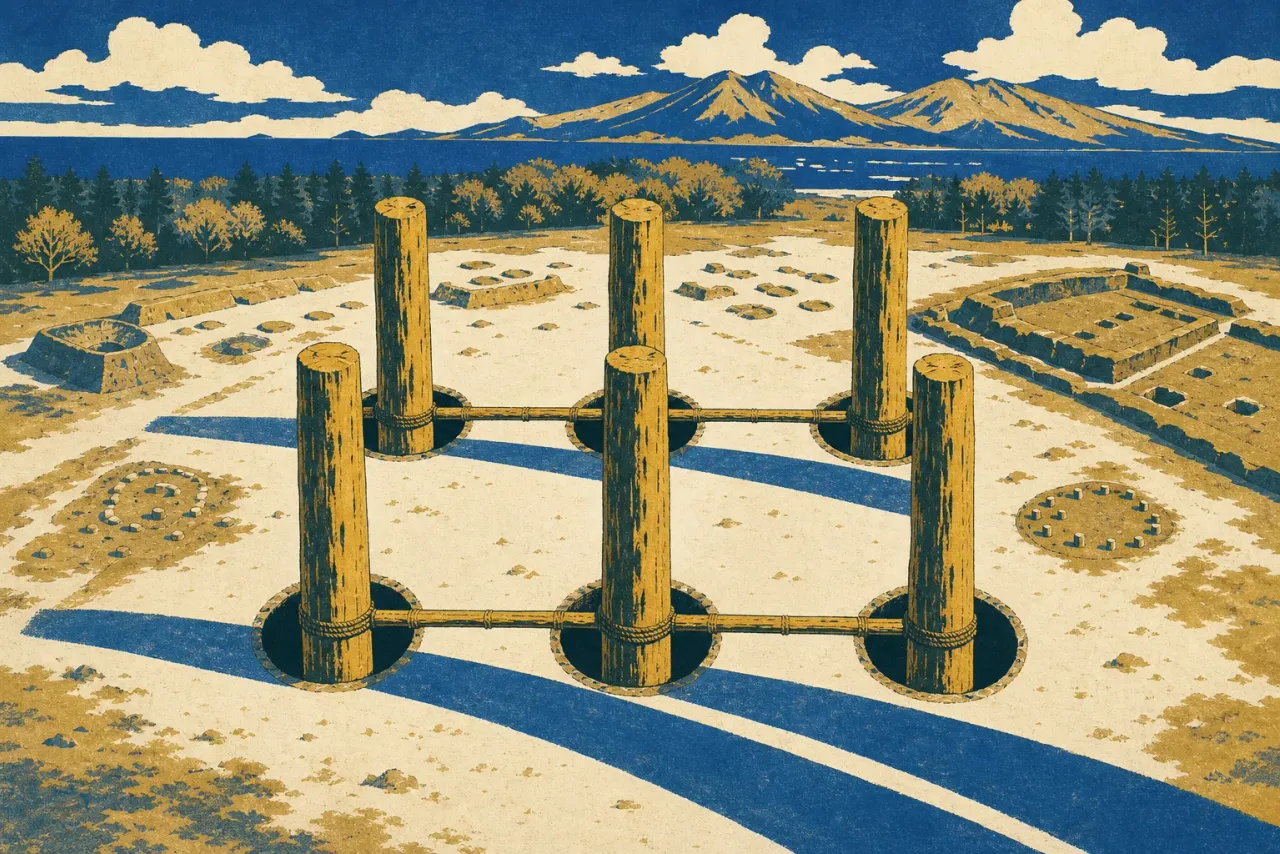
The six chestnut posts: a half-day at Sannai Maruyama from Tokyo
Three hours on the Hayabusa puts a village abandoned four thousand years ago within day-trip range of Tokyo. What the six post holes actually tell you, and how to time the visit around the site's few but unforgiving closed days.
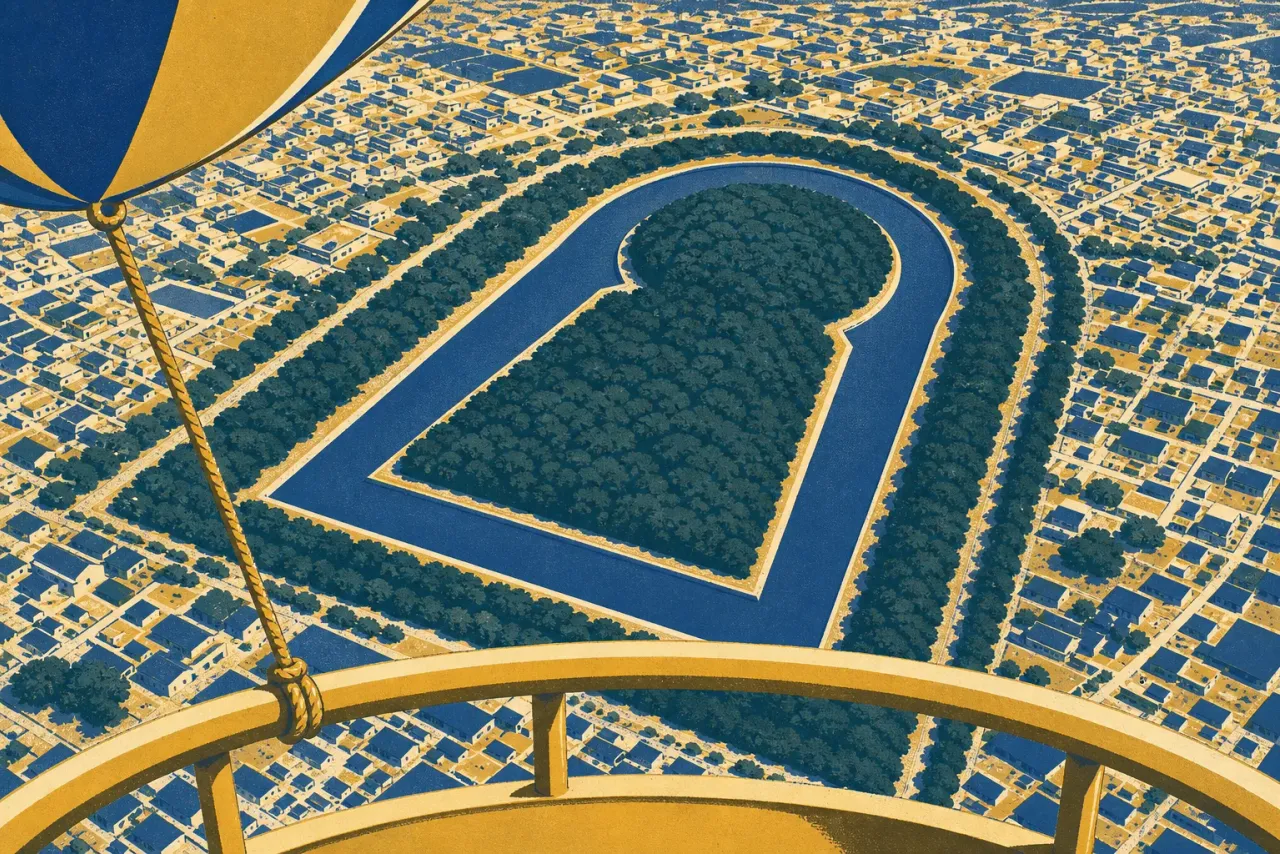
You Cannot See the Keyhole from the Ground: A Half-Day Plan for Osaka's Ancient Tombs
Japan's largest tomb is invisible from the sidewalk in front of it. A half-day plan for Mozu built around solving that problem: an 8K aerial theater, a free 21st-floor lobby, and a tethered balloon.
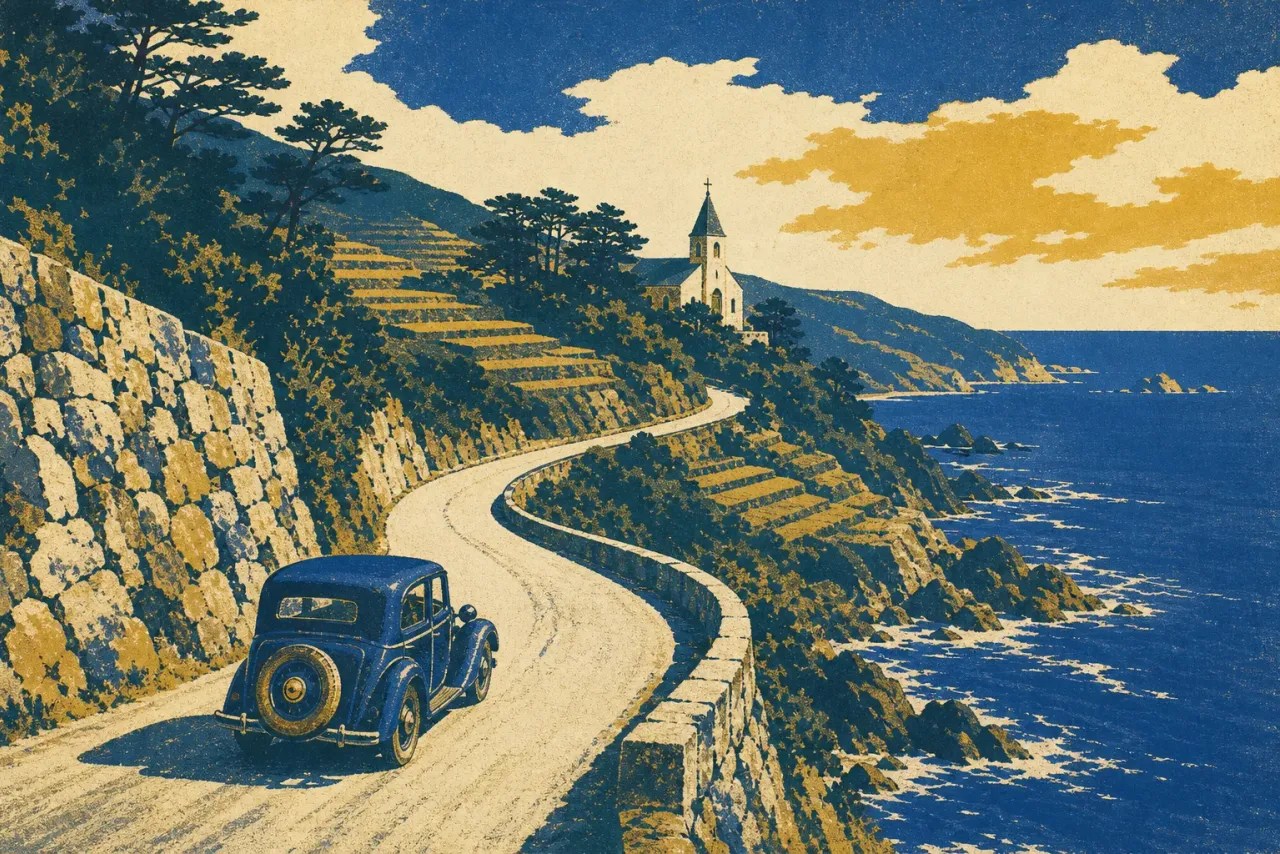
Half a Day, One Cathedral, One Coast Road: Nagasaki's Hidden Christian Sites for the Short-Stay Visitor
Only one of the twelve inscribed sites sits in Nagasaki city itself, and most of the rest require advance notice. Here is the one-day version that actually works: Ōura Cathedral in the morning, the Sotome coast in the afternoon, one web form filed two days out.
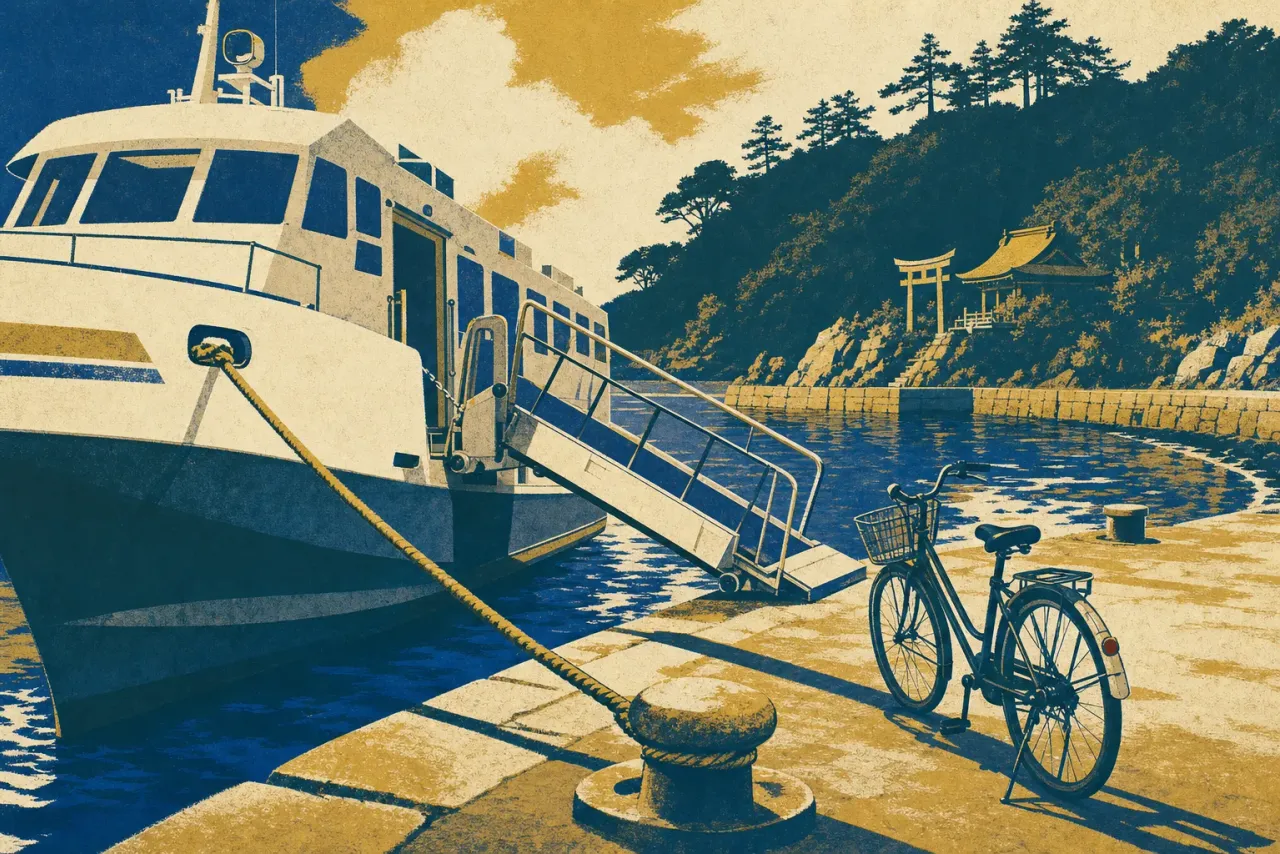
Seven boats a day: planning the Munakata and Oshima World Heritage run
Oshima's loop bus is gone, the ferry runs seven times a day, and the treasure museum shuts its doors at 16:00. A working plan for the Munakata World Heritage day trip from Fukuoka.
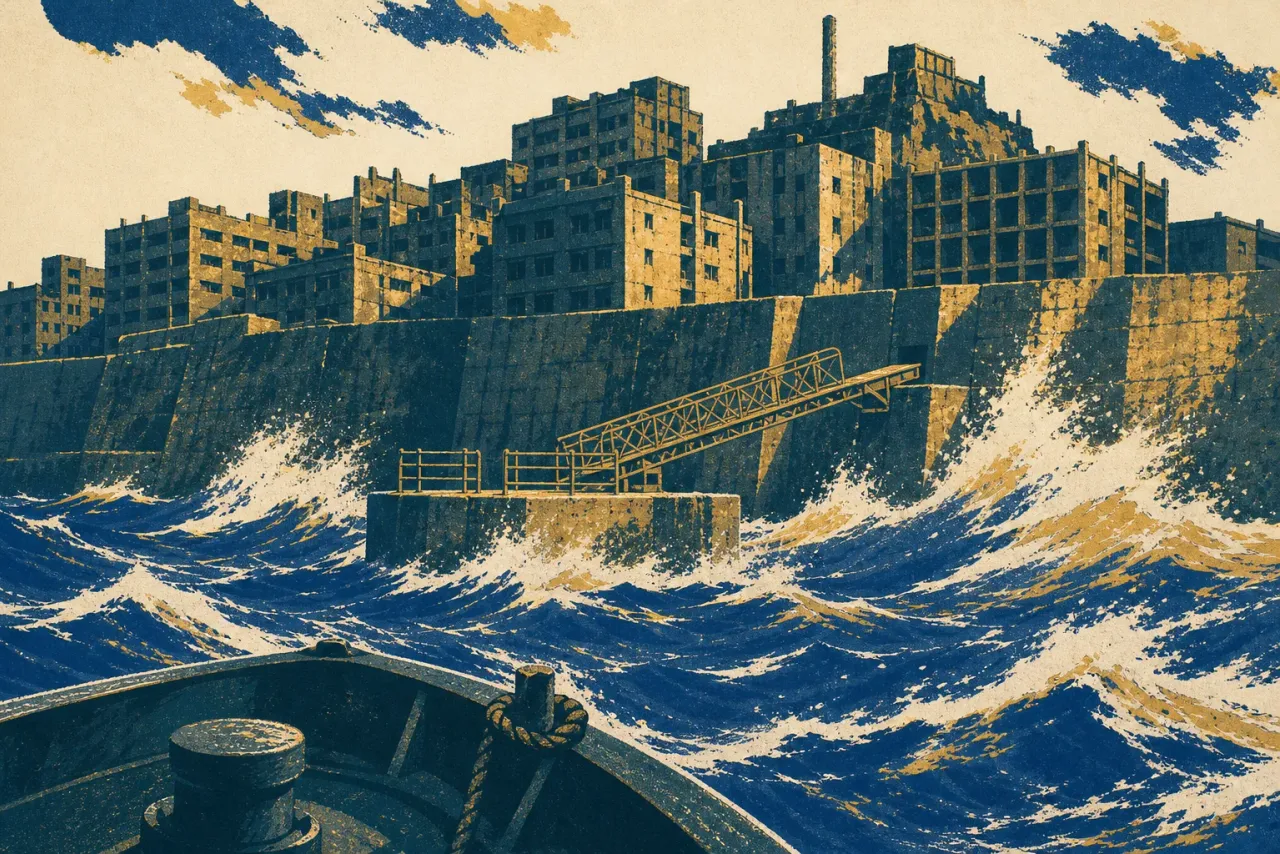
Fewer than 160 days a year: how to actually land on Gunkanjima
Sea conditions veto Gunkanjima landings more often than they allow them. Here is how to book the right operator, the right pier, and the right day so the odds work in your favor.
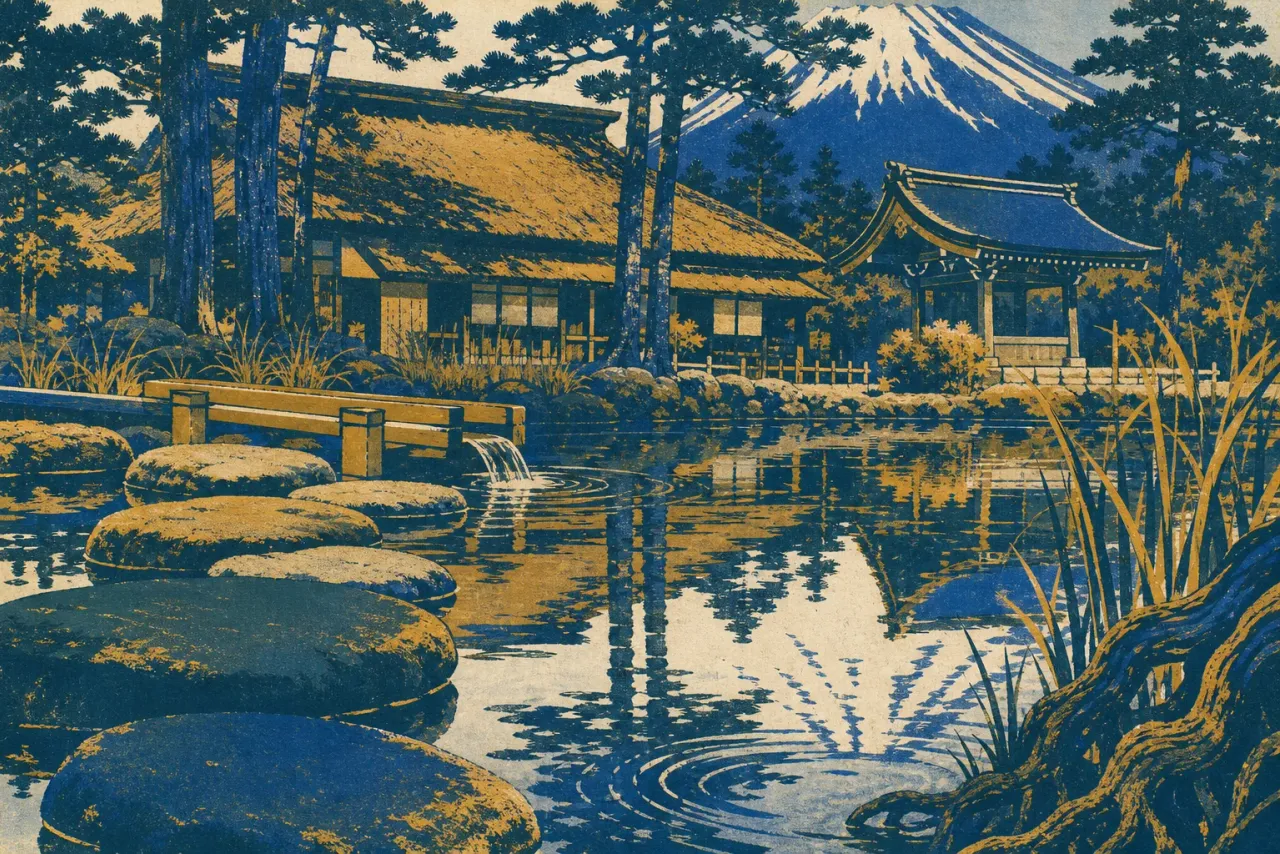
The mountain at ground level: seeing Fujisan's World Heritage without climbing it
Nearly all of Fujisan's 25 World Heritage components sit at ground level: pilgrim inns, trailhead shrines, spring ponds, a pine grove across a bay. A two-sided itinerary for people with no intention of climbing.
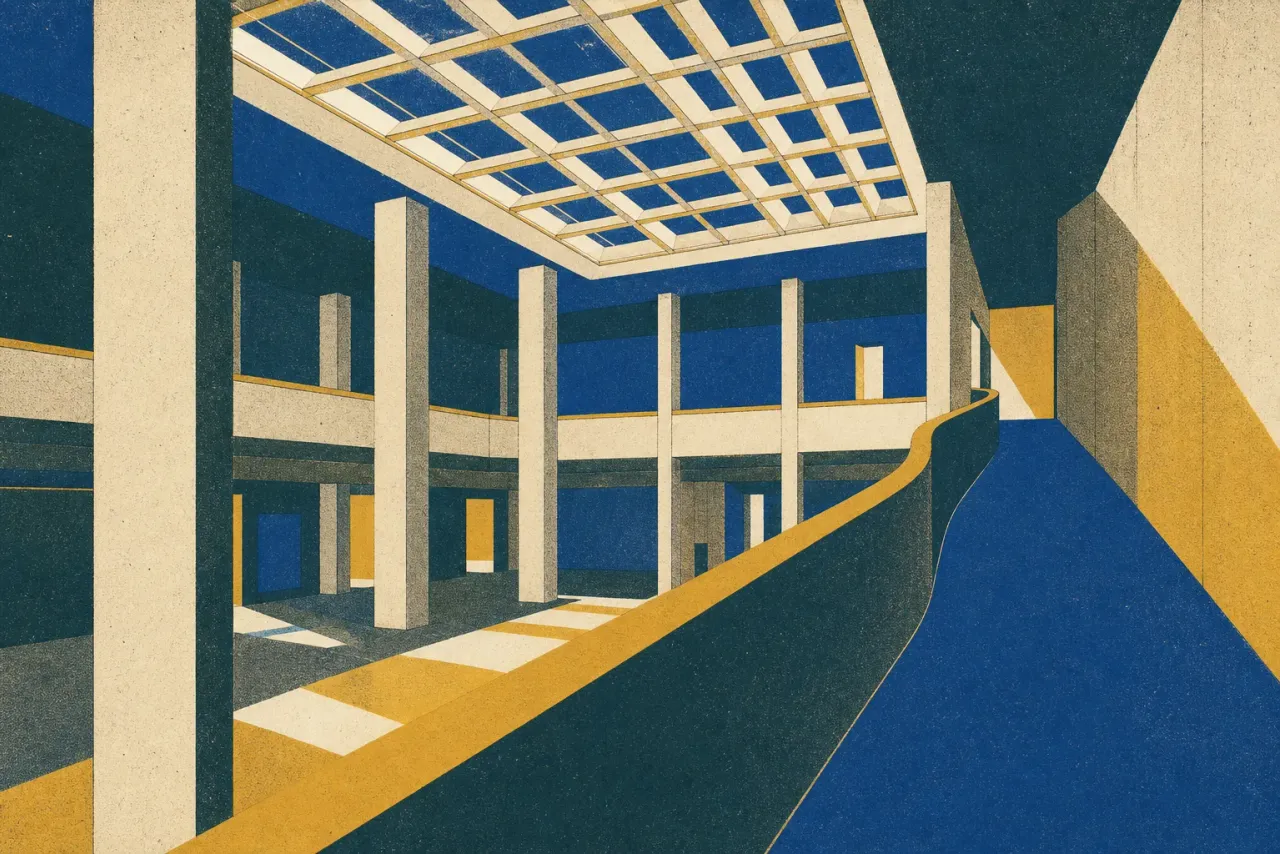
The Only Le Corbusier in East Asia: How to Read a Building in 45 Minutes at Ueno
The National Museum of Western Art is on the UNESCO list for its building, not its paintings. A slow 45-minute walk through the forecourt, the pilotis, the skylit hall, and the ramp shows you why.
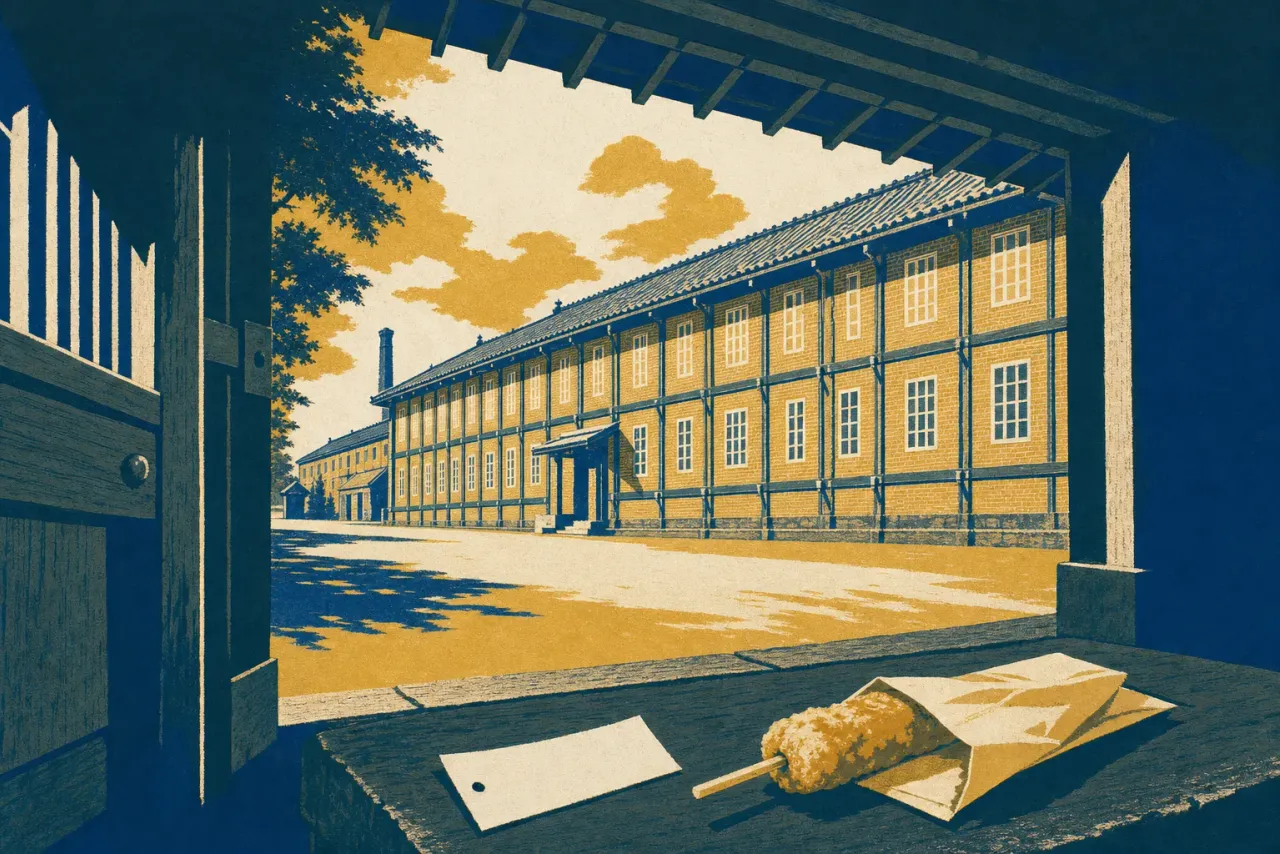
Ninety-Five Minutes from Tokyo: A Half-Day at Japan's First Silk Factory
Japan's first mechanized silk factory sits about 95 minutes from Tokyo Station, and the only real obstacle is a ticket gate that refuses Suica. The half-day playbook, from the 2,200-yen combo ticket to the fried chikuwa for the walk back.
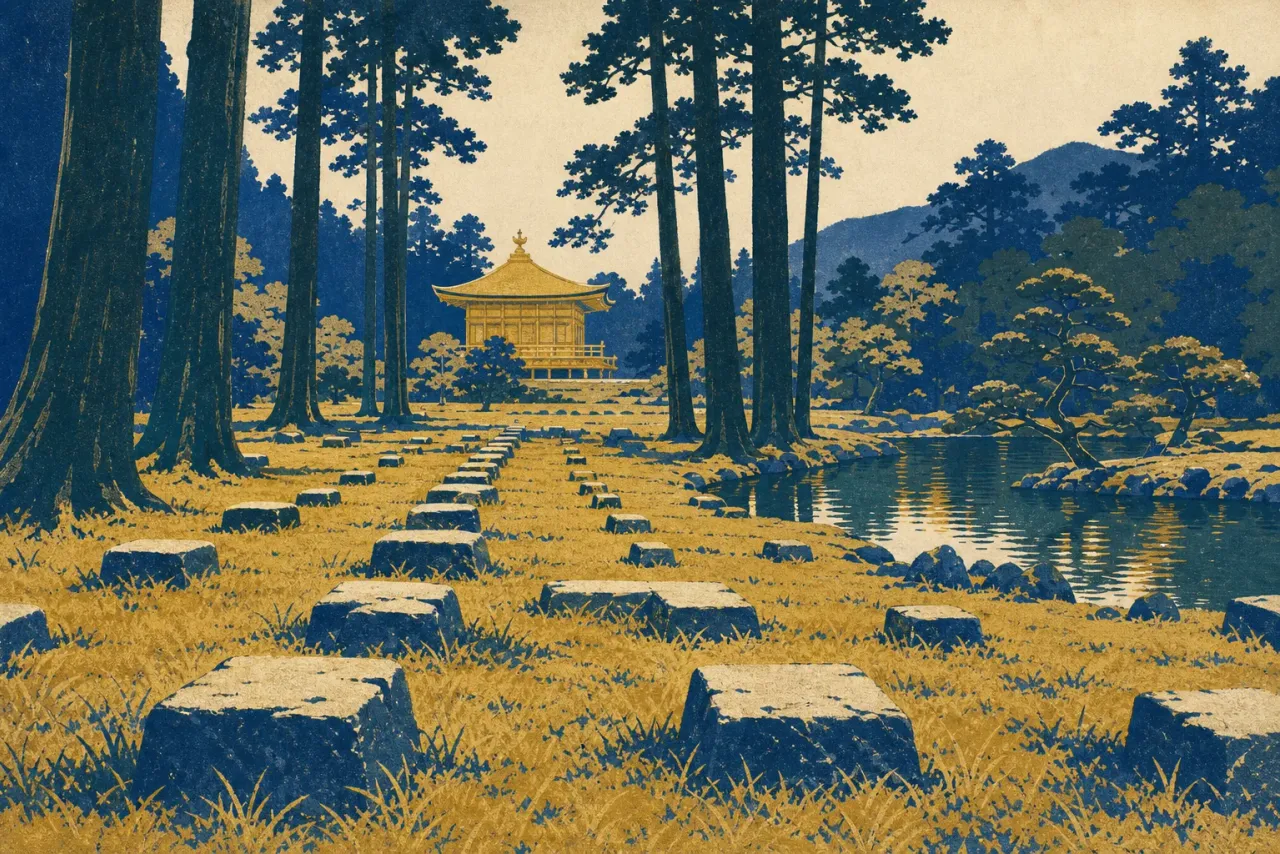
The Golden Hall and the Vanished City: How to Read Hiraizumi in Half a Day
One golden mausoleum and one Heian garden survived; the rest of the twelfth-century capital is foundation stones in grass. Walked in the right order, the stones start to speak.
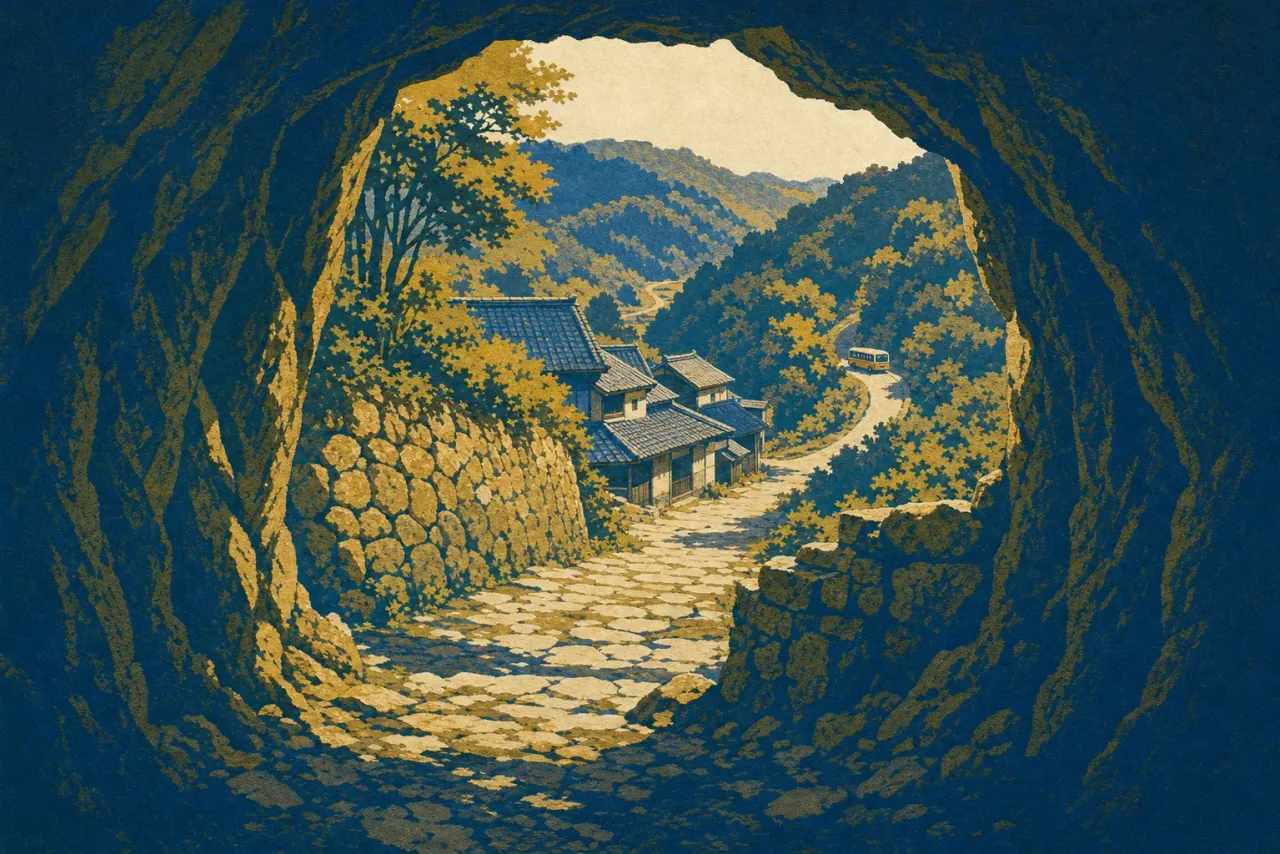
The mine that doesn't look like a mine: reading Iwami Ginzan in half a day
Iwami Ginzan once produced a meaningful slice of the world's silver, yet arriving visitors see only a quiet street and wooded hills. Here is how to read the valley in half a day, in the right order, without missing the last bus.
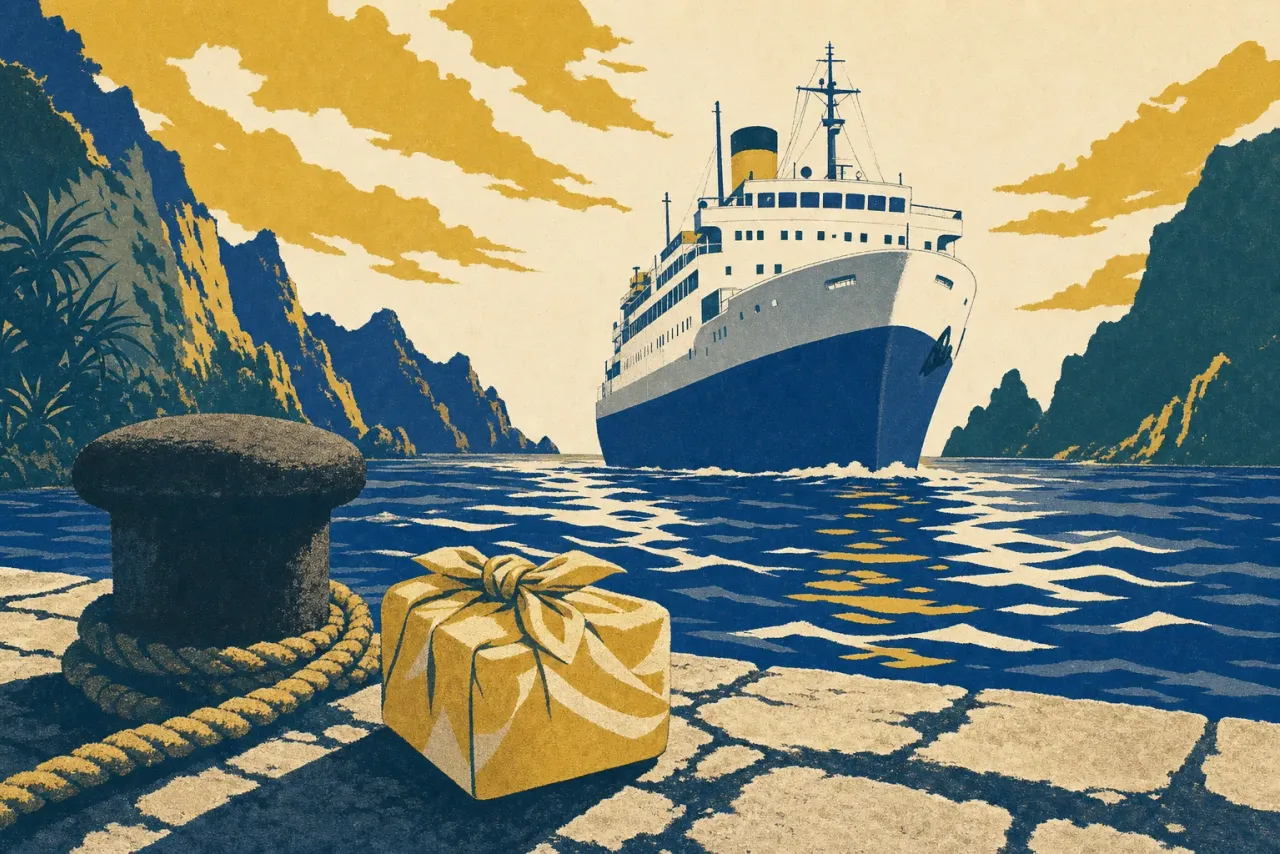
Six Days, One Ship: How to Actually Plan a Trip to the Ogasawara Islands
One ferry, once every six days, a 24-hour crossing. The rotation is fixed, which means the itinerary mostly writes itself once you know the timetable, the booking order and the bento rule.
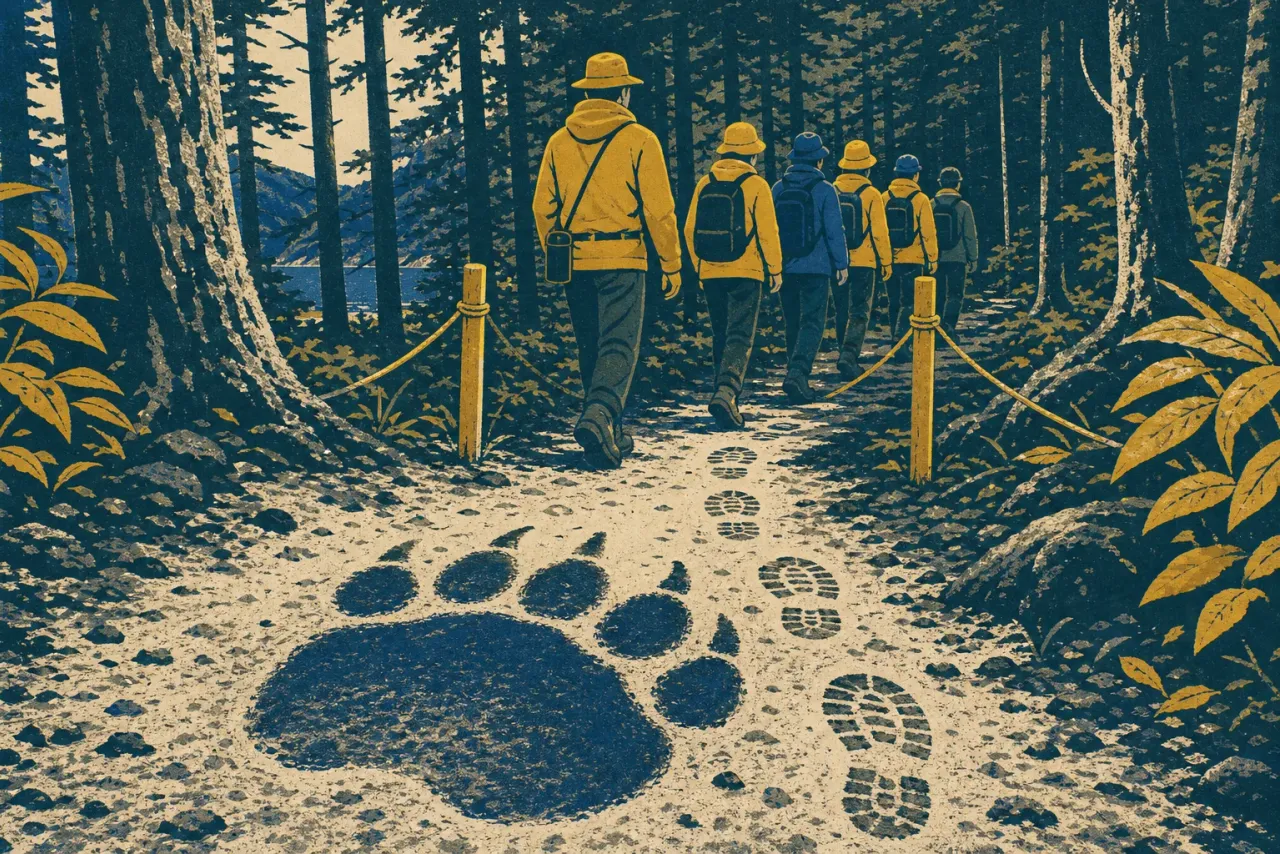
Booked, Not Bounced: The Reservation Rules That Decide Your Shiretoko Day
Shiretoko manages one of the world's densest brown bear populations with caps, lectures, and guided-only windows instead of fences. Here is every reservation your travel dates trigger, decoded month by month.
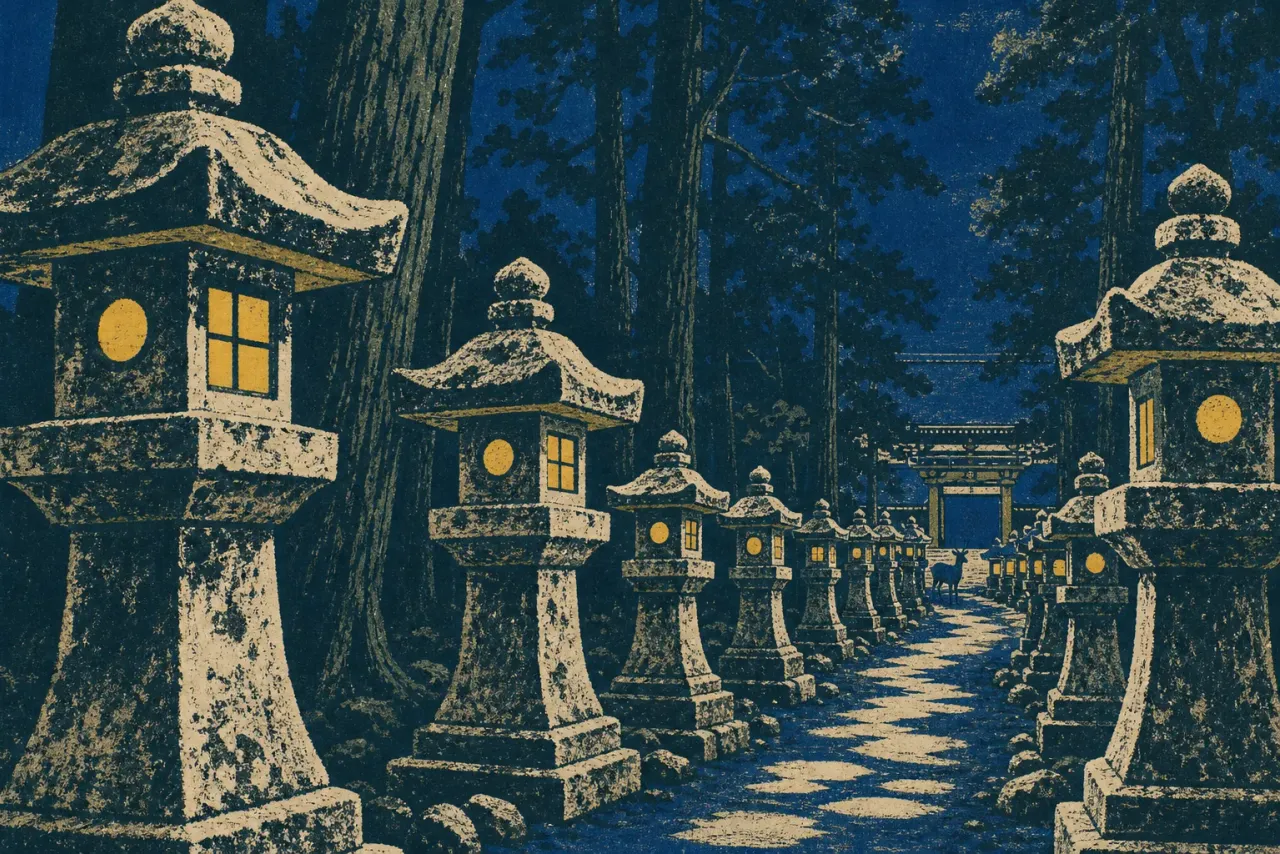
One Perfect Day in Ancient Nara: A First-Timer's Route Through the Eighth-Century Capital
Five of Nara's eight World Heritage sites sit within one long walk of Kintetsu-Nara Station. An hour-by-hour route that beats the tour buses to the Great Buddha and saves the lantern paths for after dark.
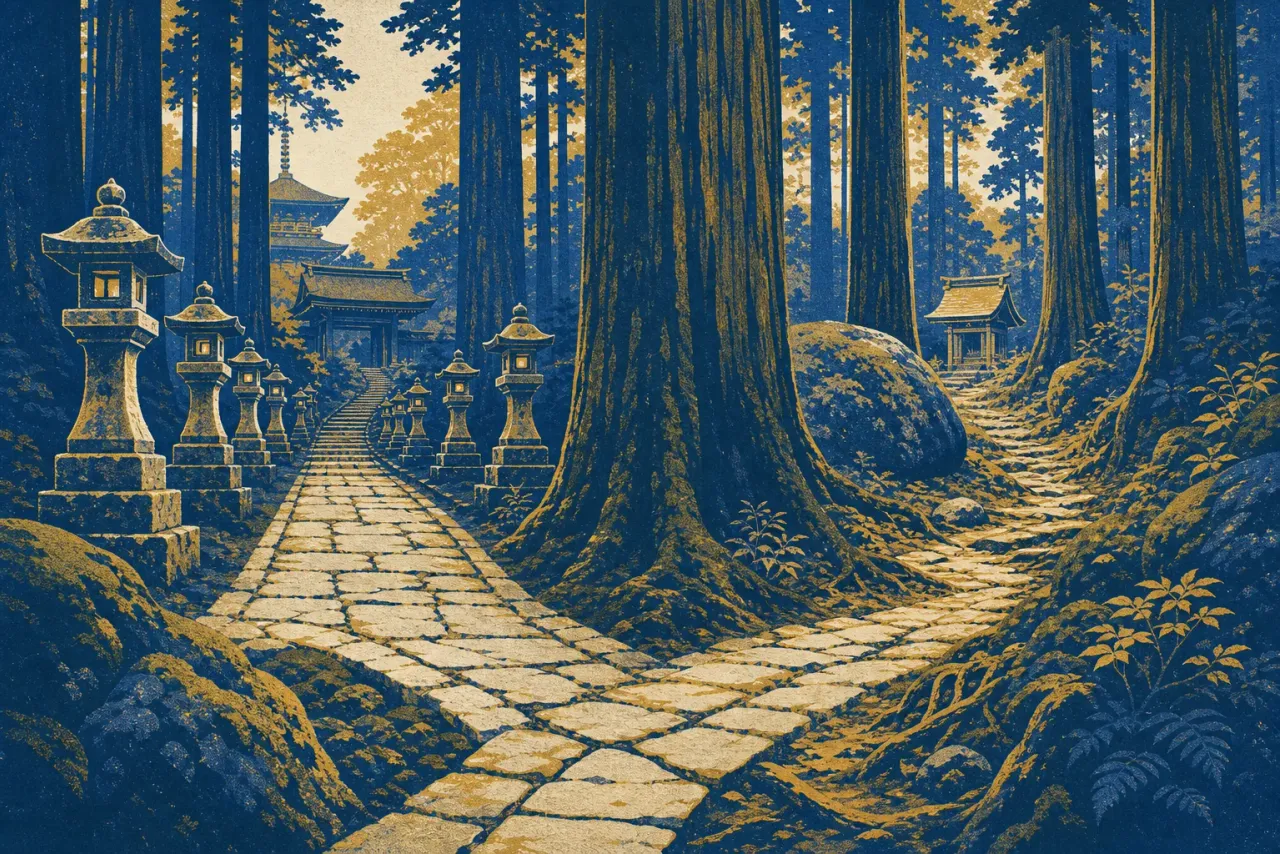
Koyasan or the Kumano Kodo? How to Plan Your First Trip to Japan's Sacred Kii Mountains
One World Heritage listing, two very different trips. Why first-timers should pick either the monastery mountain or the pilgrim trail, and how to do each one properly.
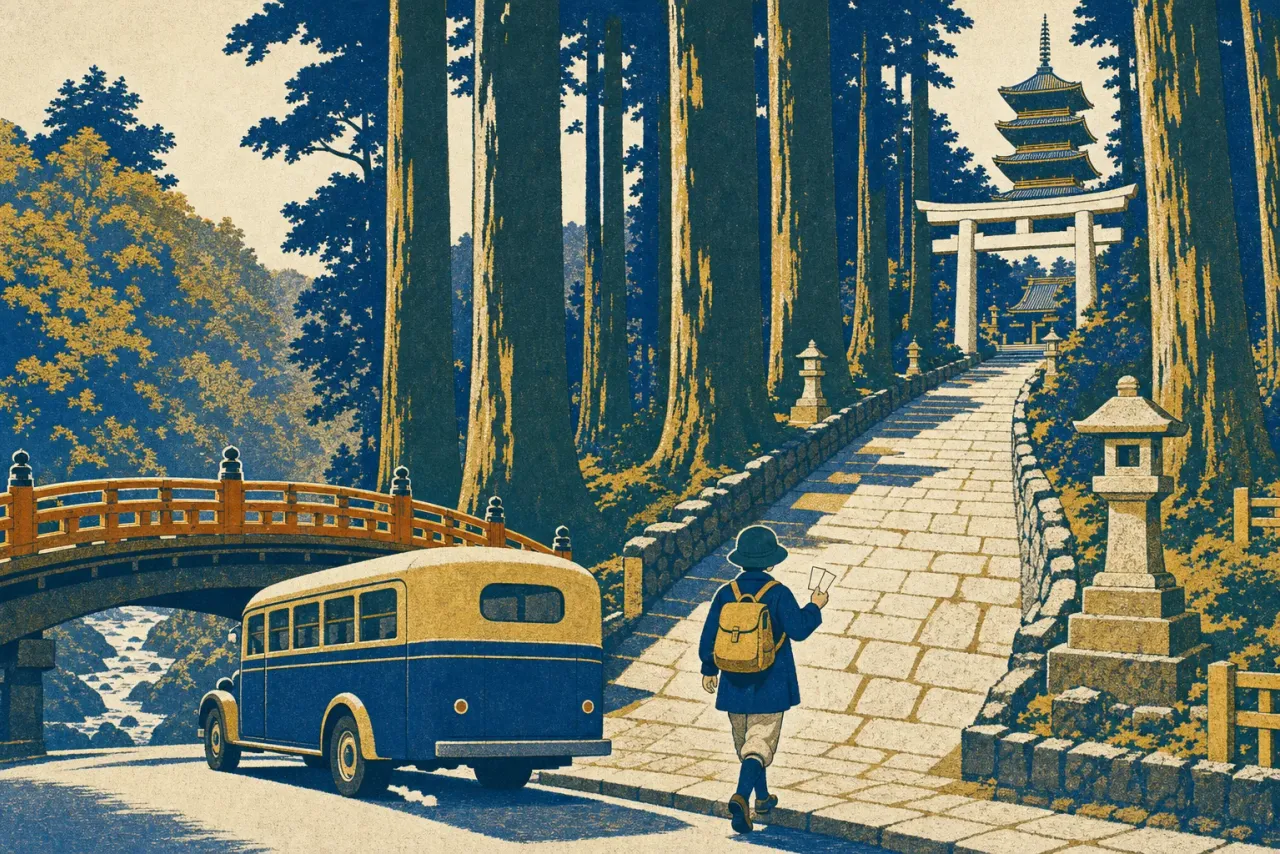
Nikko in One Day: The No-Backtracking Route from Asakusa to Ieyasu's Tomb
The train, the right bus stop, the ticket exchange, and the climbing order that turn Tokyo's favorite day trip into five smooth hours instead of a 100-meter queue.
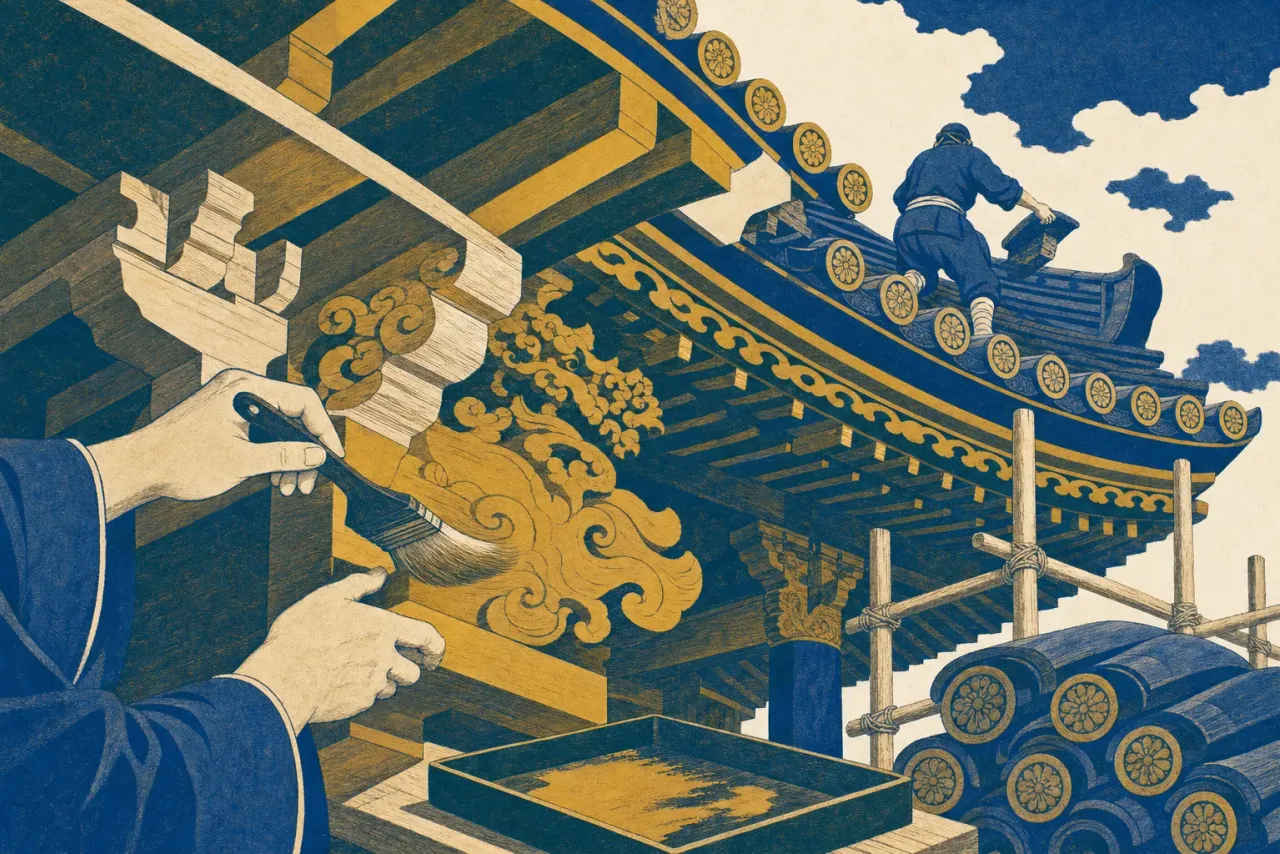
Shuri Castle rises again: a first-timer's half-day in the Ryukyu royal capital
The rebuilt Seiden opens November 23, 2026. Go before then and you'll catch something rarer: lacquerers and tile-setters finishing a palace by hand, plus two royal sites most visitors walk right past.
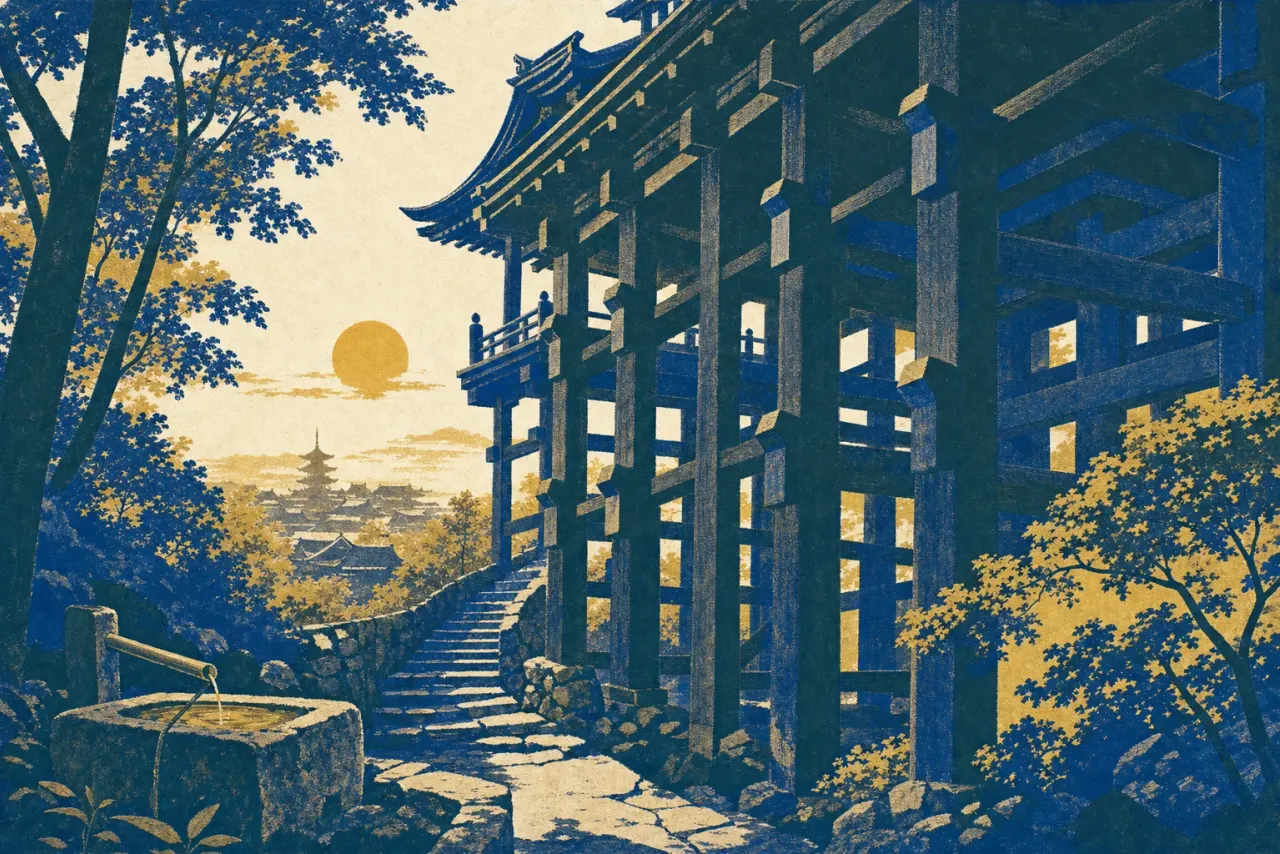
Seventeen Sites, One Ancient Capital: A First-Timer's Plan for Kyoto's World Heritage
Kiyomizu-dera at 6:00, the shogun's castle after lunch, gold leaf before the tour buses, and same-day tickets in Uji: a three-day route through Kyoto's 17 World Heritage components, with 2026 prices throughout.
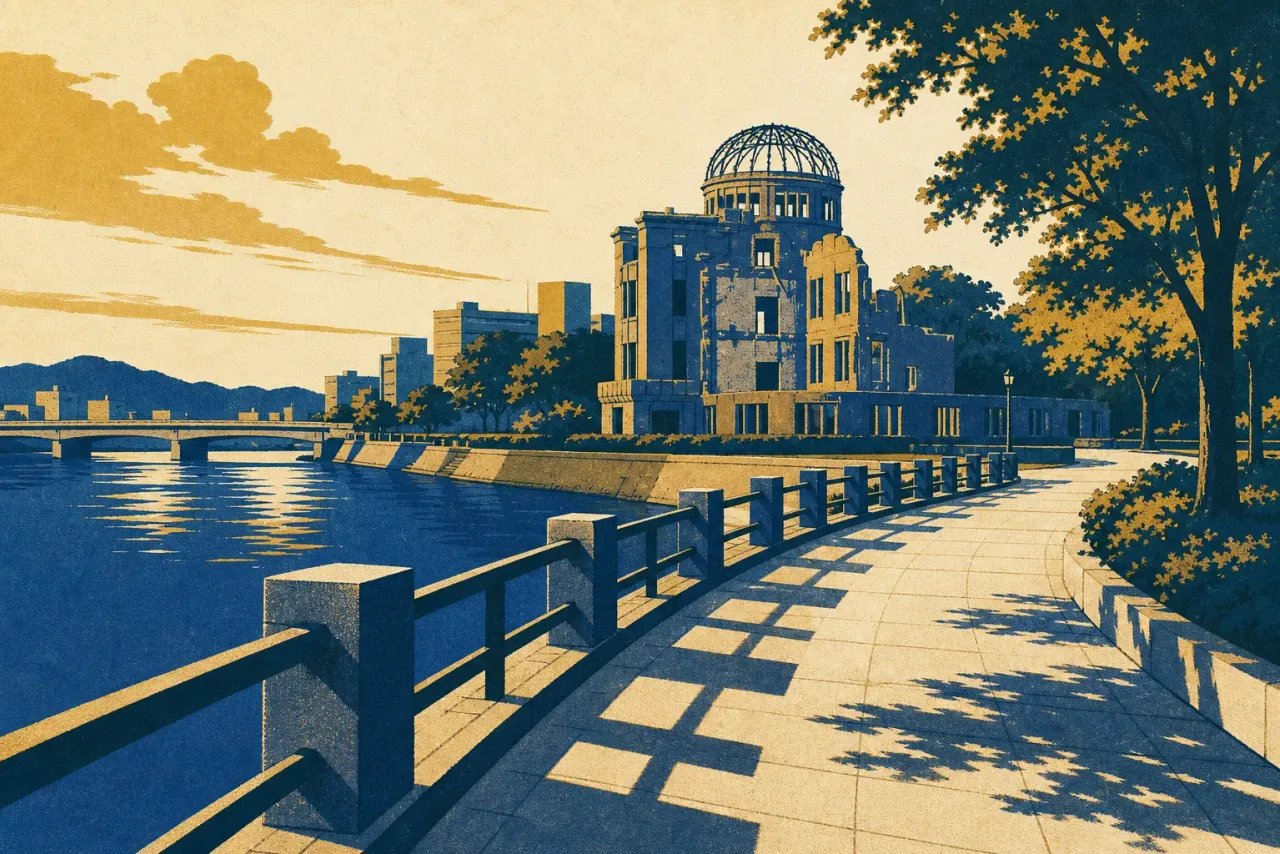
A Half Day at the Genbaku Dome: How to Visit Hiroshima's Peace Memorial Without Rushing It
The Dome never closes, so the museum's hours and reservation windows set your schedule. The route, the numbers, and why the hours after the museum should stay empty.
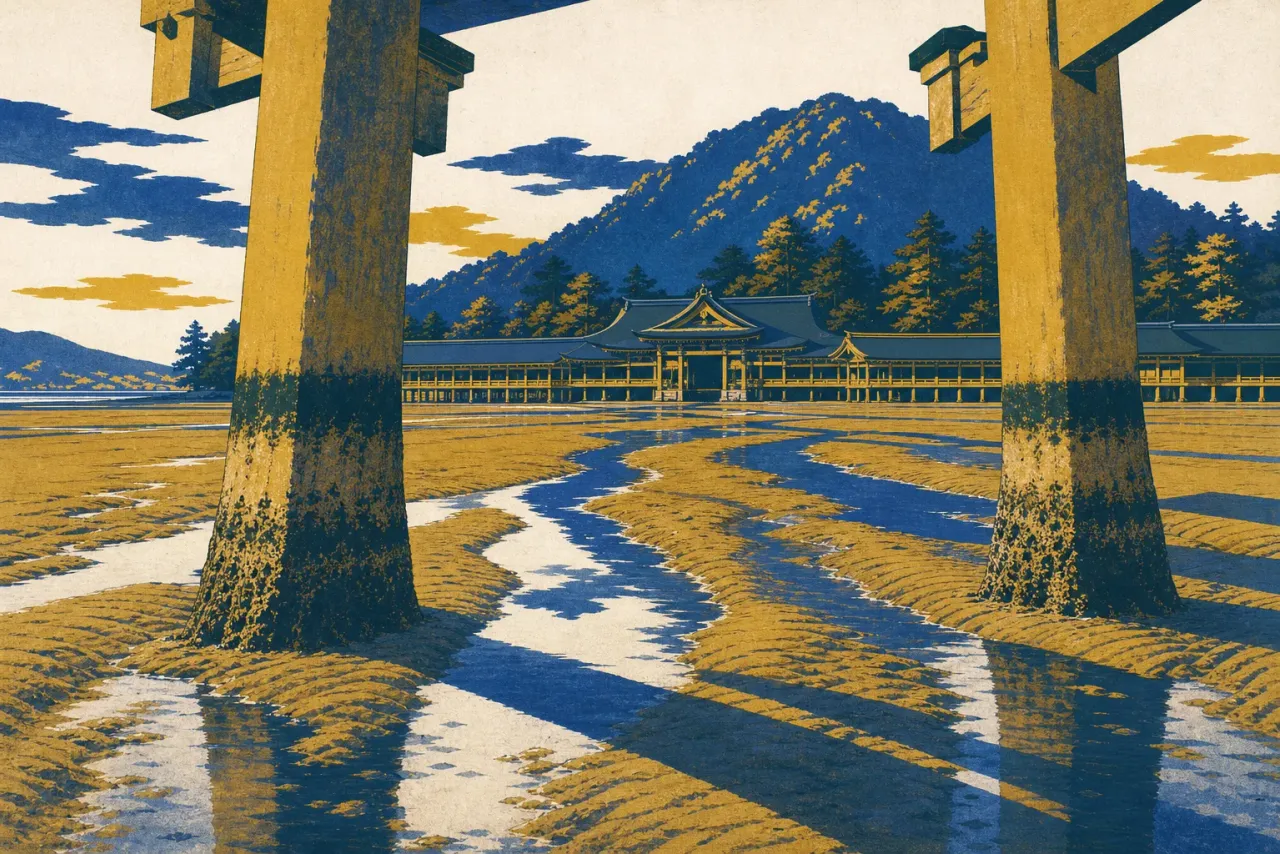
Timing the tide: a first-timer's perfect day on Miyajima
The floating torii and the walk-out-to-it mudflats are the same place six hours apart. How to build one well-planned day around the tide table, the 6:30 shrine opening, Mt. Misen, and the night illumination.
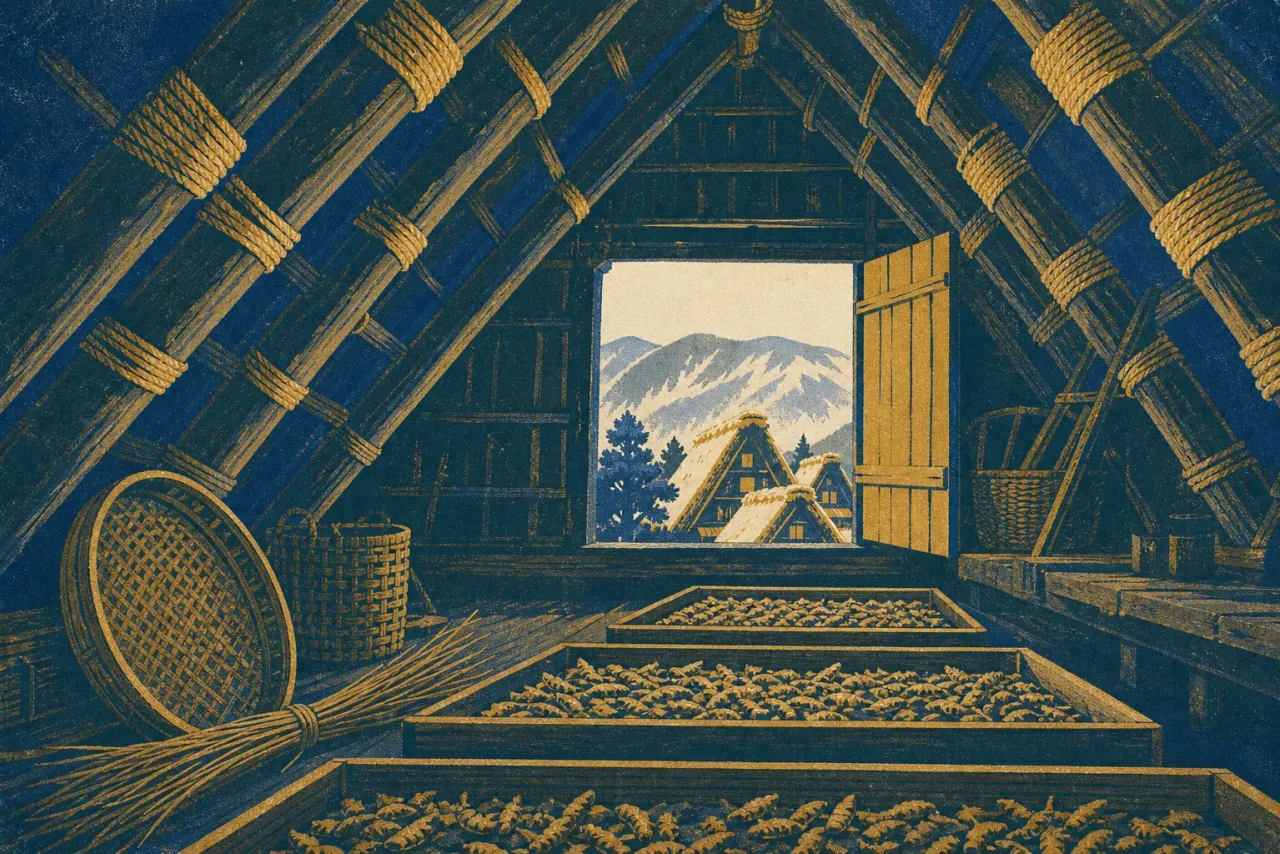
Hands in prayer: a first-timer's day in Shirakawa-go, hour by hour
No train reaches Shirakawa-go, and that is the first thing to plan around. A realistic hour-by-hour day trip from Tokyo: the buses, Wada-ke's silkworm attic, hoba miso at lunch, and the honest case for staying the night instead.
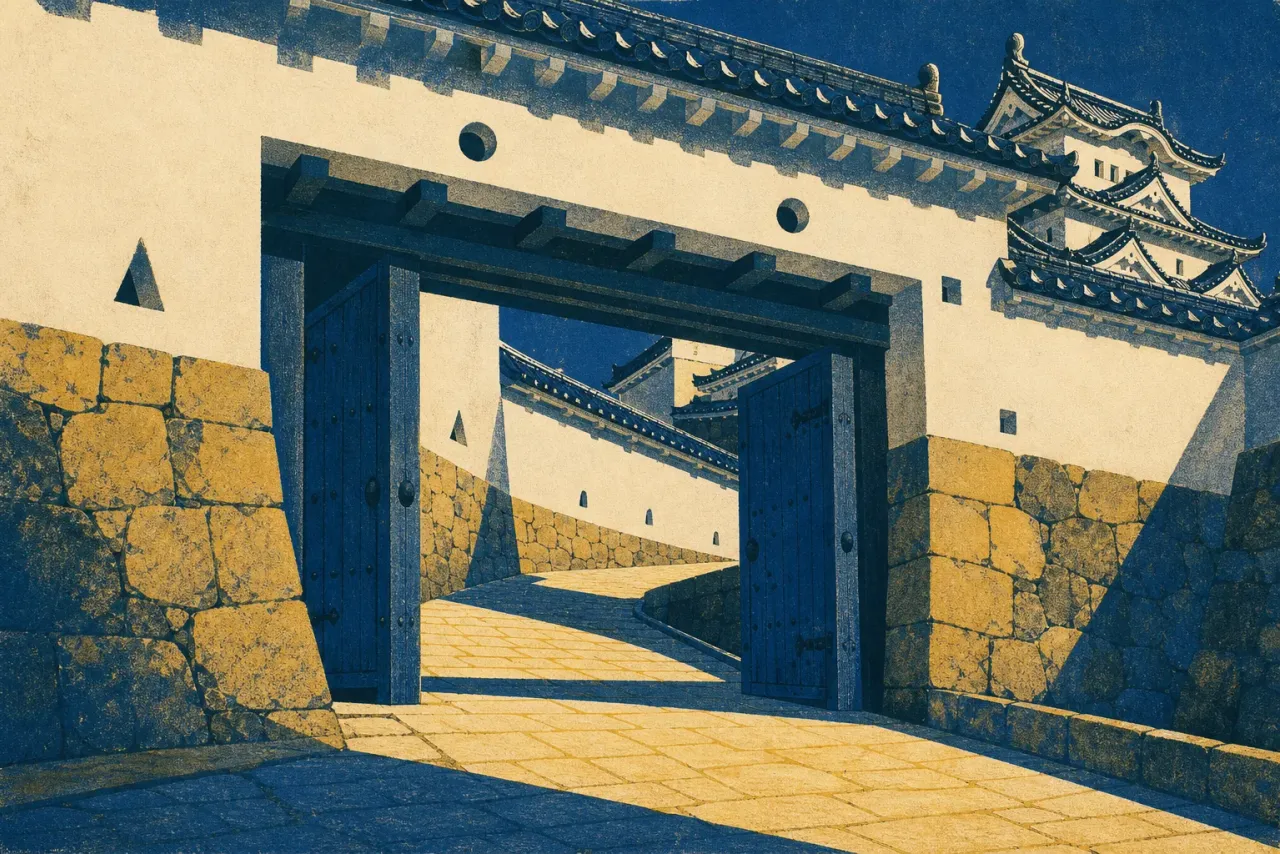
Himeji Castle in Half a Day: Beating the Crowds at Japan's Greatest Original Castle
The difference between a great morning at Himeji and a shuffling one is about ninety minutes. The train math, the new 2,500-yen ticket, and exactly where to be at 9:00.
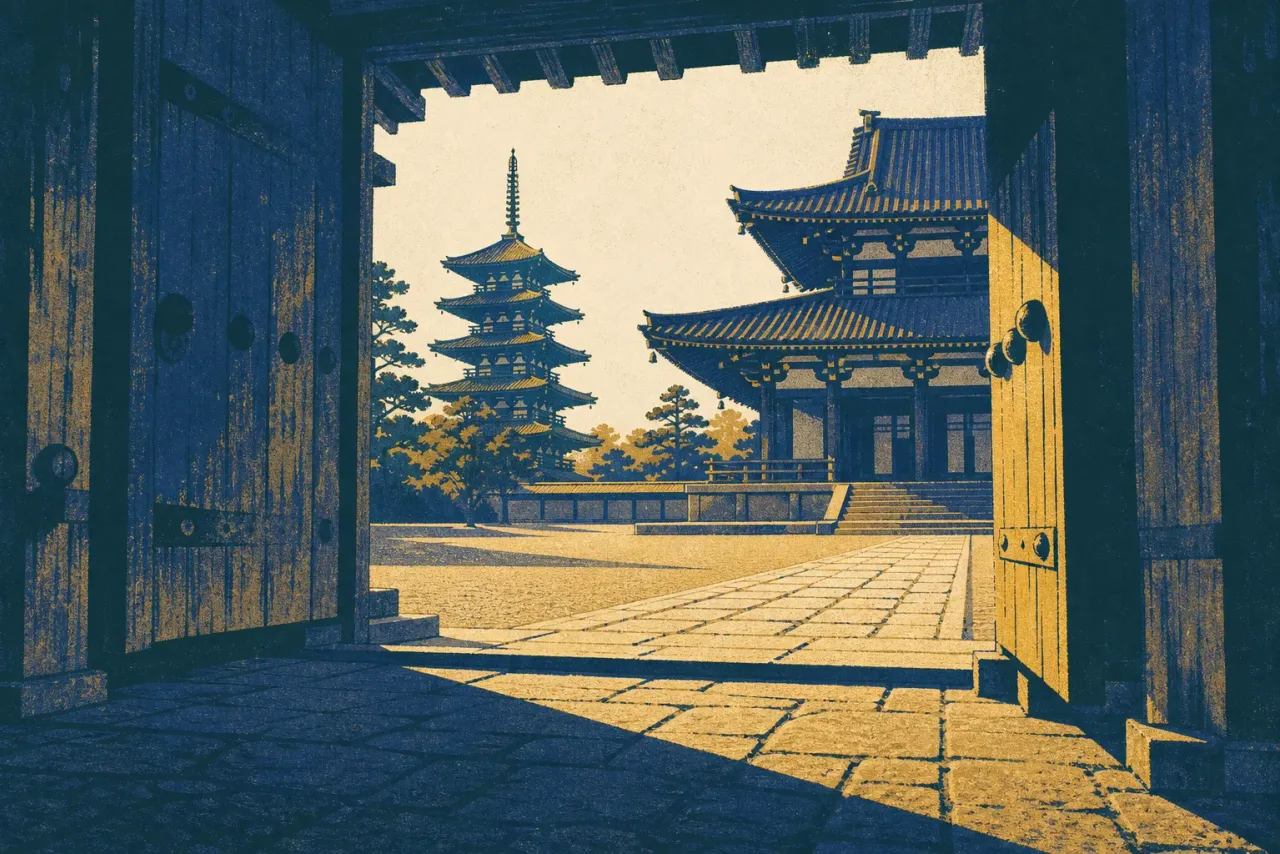
Half a Day at the World's Oldest Wooden Building: A First-Timer's Plan for Horyu-ji
Horyu-ji sits a 20-minute walk from its train station and opens at 8:00 sharp. Here is the order, the tickets, and the fried-chicken lunch that make a half day in Ikaruga work.
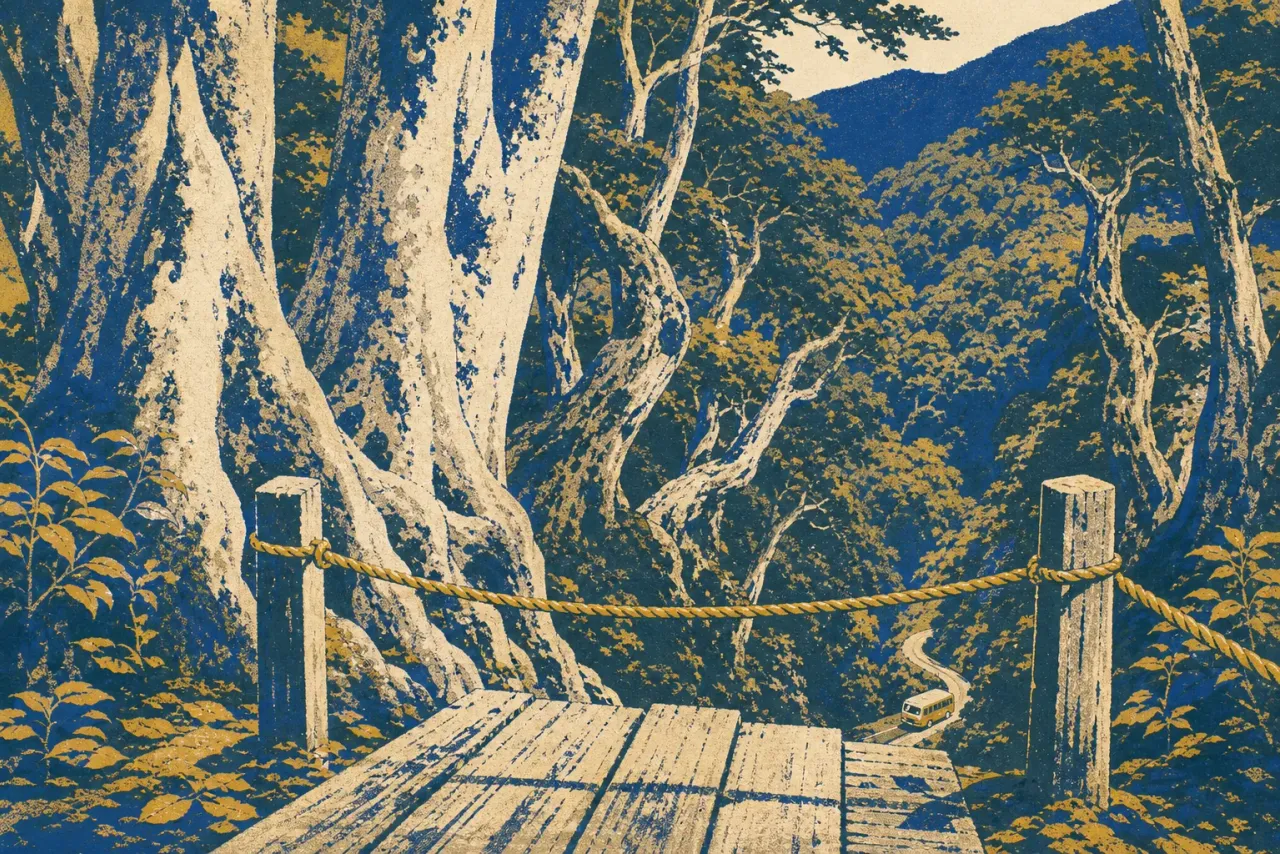
The forest you are not allowed to enter: making sense of Shirakami-Sanchi in one day
The 16,971 hectares Japan inscribed in 1993 are closed wilderness. Here is how to stand at their threshold anyway — and why one bus schedule dictates the whole day.
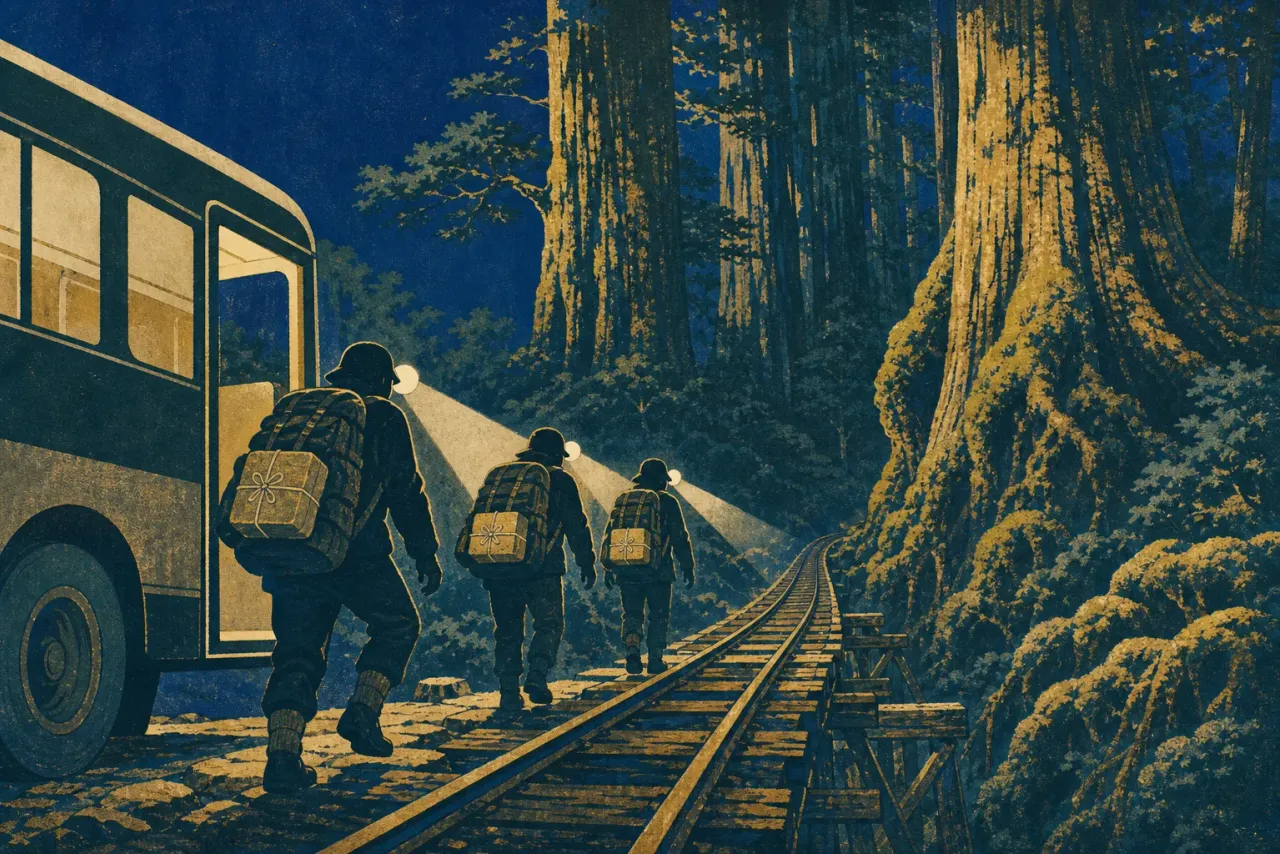
Twenty-Two Kilometers Before Breakfast: How to Actually Reach Jomon Sugi
No reservations, cash only, and a 5:40 a.m. cutoff on the morning buses: the complete logistics of Yakushima's most demanding day hike, from bento strategy to the two-day escape hatch at Takatsuka Hut.