Six Days, One Ship: How to Actually Plan a Trip to the Ogasawara Islands
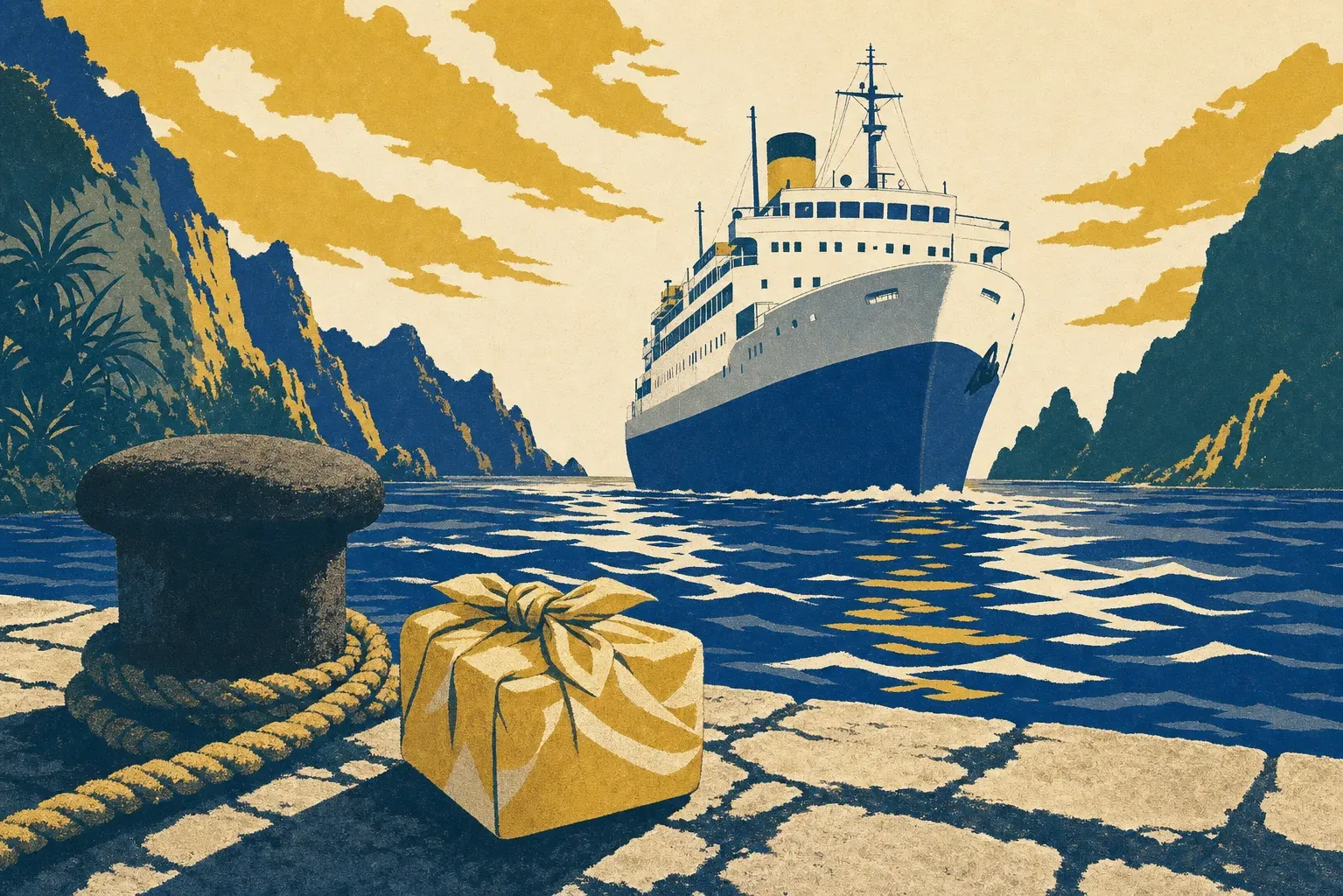
There is exactly one way to reach the Ogasawara Islands, and it leaves Tokyo about once every six days. The Ogasawara-maru sails from the Takeshiba terminal, seven minutes on foot from the North Exit of JR Hamamatsucho, covers 1,000 kilometers of open Pacific, and ties up at Chichijima's Futami Port 24 hours later. No airport. No competing ferry. Your phone goes quiet somewhere in Tokyo Bay, and apart from a paid onboard Wi-Fi service the shipping line added on June 6, 2025, that's the last signal until you land.
This sounds like a hardship. It's actually a gift to planners, because the fixed rotation means there is really only one Ogasawara itinerary, and every passenger on the ship is living some version of it. Learn the timetable and the trip plans itself.
The timetable is the itinerary
Here is the standard cycle. The ship leaves Tokyo at 11:00 and arrives at Chichijima at 11:00 the next day. It stays at Futami for three nights, sails at 15:00 (15:30 in the July–August peak), and reaches Tokyo the following afternoon. That makes the classic trip five nights and six days, with three nights on land. Sailings run more frequently in July and August; the rest of the year, missing your return means waiting days for the next one.
Day 1 is the crossing. No meals are included in the fare, so plan around the onboard restaurant, the snack bar and the vending machines, or carry your own food up the gangway. The ship has a fin stabilizer that takes real edge off the rolling, but this is a full day and night of open Pacific; if you're prone to seasickness, take the question seriously.
You dock at 11:00 on day 2 with a half day in hand. Both exhibition halls are open, and will stay open: the Ogasawara Visitor Center (free, 08:30–17:00, five minutes' walk from the port) and the Ogasawara World Heritage Centre (09:00–17:00) admit visitors only while the ship is in port, which on the standard cycle means every day you're there. The trap is for anyone staying through a sailing. The day the ship leaves without you, both close. Use the arrival afternoon to walk Omura, pull up the live restaurant spreadsheet the tourism association publishes on its Eat page, and book a table for dinner.
Days 3 and 4 belong to whatever you arranged before sailing: Minamijima, Heart Rock, a whale boat in season (humpbacks run December through May), or the Hahajima leg, all covered below.
On day 5 the ship leaves at 15:00 or 15:30. A last swim at Kopepe or Miyanohama, then lunch in Omura before boarding.
Day 6 ends back at Takeshiba at 15:00 or 15:30. Book nothing important in Tokyo that evening; bad seas stretch the crossing.
Book the room before the boat
The village publishes a required booking order, and it is not a suggestion: accommodation first, the Ogasawara-maru second, guides and rentals third. The official accommodation page says, bluntly, to secure lodging for your entire stay before boarding. There is no walk-up option, and the ship that delivers you departs without you three nights later. Rooms run ¥4,500 to ¥30,000-plus a night as of 2026, from dormitories to small pensions, many with two-meal plans worth taking on an island where dinner seats are scarce.
Ferry tickets go on sale two months before departure; peak dates around Golden Week and midsummer open earlier and are announced separately. Fares change every month and include a fuel surcharge. Among the 2026 months published so far, one-way Economy, the open tatami-sleeping class, ran from ¥28,610 in October to ¥38,910 in July, with the Suite at ¥115,950 in July. Budget roughly ¥57,000 to ¥78,000 round trip in Economy, depending on the month. Students get 20 percent off the three cheapest classes, and passengers with disabilities 50 percent off any class.
Guides come third in the official order but cannot wait until arrival, because two of the islands' signature experiences are legally guide-mandatory and fill early in peak season. Landing on Minamijima, the uninhabited karst islet twenty minutes from Chichijima by boat, is legal only with a Tokyo Metropolitan certified nature guide wearing the official armband, who may take 15 visitors ashore at most; legitimate operators display the Minamijima use-rule compliance sticker. The trail to Heart Rock, the formation above Ennen Bay, crosses a Forest Ecosystem Protection Area where your guide must hold a forest-entry permit. Book both before you sail. Mt. Chibusa on Hahajima, by contrast, is walkable on your own.
About Hahajima: the Mother Island lies another two hours south aboard the Hahajima-maru, and it complicates plans in one specific way. Tickets are sold same-day at the waiting room, no reservations, one-way second class ¥6,080 in July 2026 and ¥5,020 in October 2026. Departures from Chichijima usually run at 07:30 with a second sailing in the early afternoon, coordinated with the big ship and canceled by weather, so an overnight there means committing a morning to the 07:30 boat. Worth it if you hike or watch birds. With only three land days, though, plenty of first-timers save Hahajima for the second trip, and that's a defensible call.
The island answers to the ship
Everything on Chichijima keeps time by the ferry. Restaurant closing days are written not as weekdays but as positions in the cycle: Island Deli closes "the day before ship arrival," Paku Paku "the day after ship departure," Shima Sushi whenever the ship is away entirely. Heart Rock Café (9:00–18:00) is the dependable year-round fallback. Dining rooms here seat roughly 15 to 50 people, which is why that day-2 dinner reservation matters.
Cash runs the place. Cards "are not always accepted," in the tourism association's careful phrasing, and the ATMs are at the post office. Withdraw enough for guides and meals before assuming anything works on plastic.
Then there's the bento rule, the single most useful fact in this article: outside the Omura settlement by the port, there is nowhere to buy food. Nothing at the trailheads, nothing at the beaches. Every tour day starts with a boxed lunch from town. Island Deli (8:00–14:00) specializes in takeout, and several izakaya, including Bonina and Marujou, pack boxes as well.
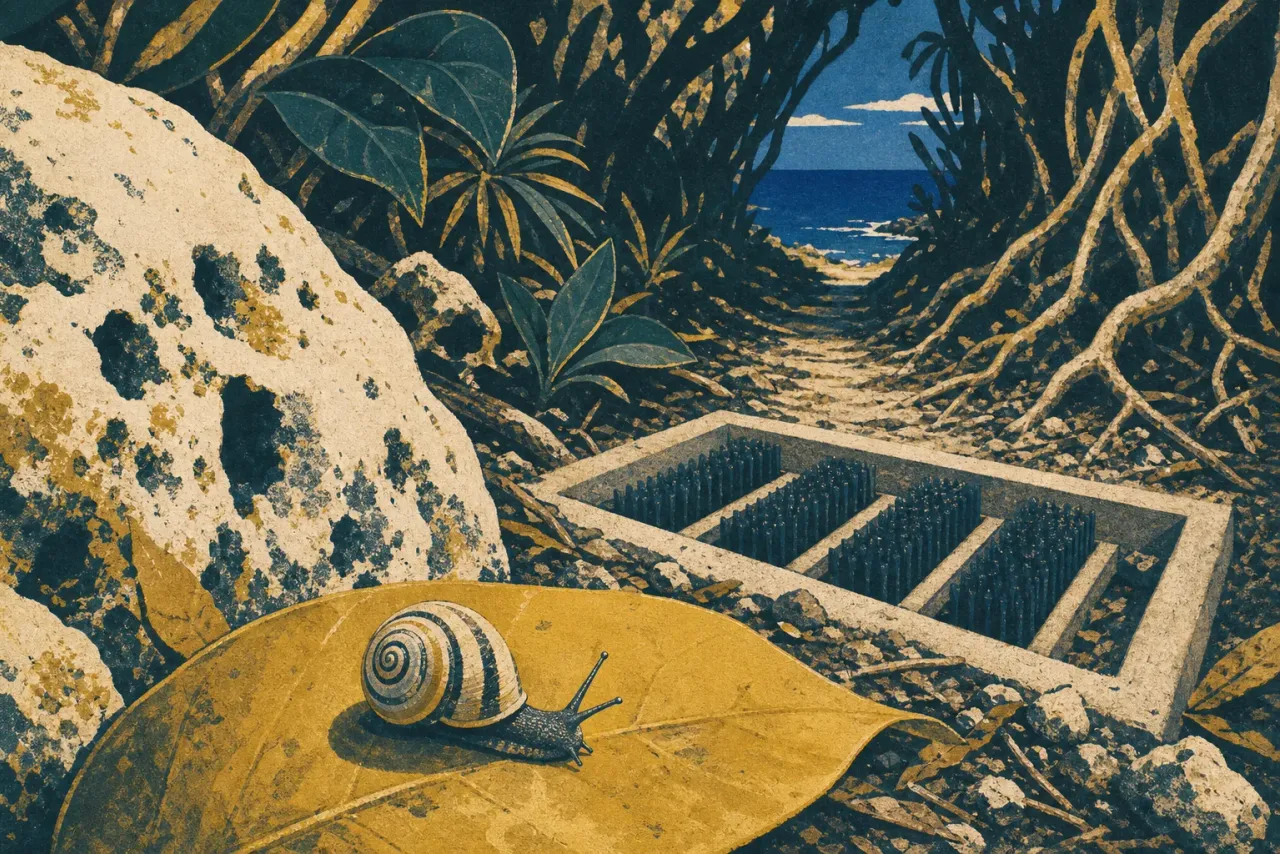
A few last numbers. The Chichijima clinic (04998-2-3800) opens 09:00–11:00 Monday to Friday and again on Wednesday afternoons, 13:30–15:30; Hahajima's clinic (04998-3-2115) keeps its own hours, so ask locally. Time any prescription needs accordingly. Supermarkets can run short between sailings; if you depend on anything specialized, carry it in from Tokyo. And before you board at Takeshiba, do what the Ogasawara Country Code asks of every passenger and check your shoe soles and your bags for seeds and insects. It takes two minutes, and it is the one piece of conservation work a visitor can do alone.