One Perfect Day in Ancient Nara: A First-Timer's Route Through the Eighth-Century Capital
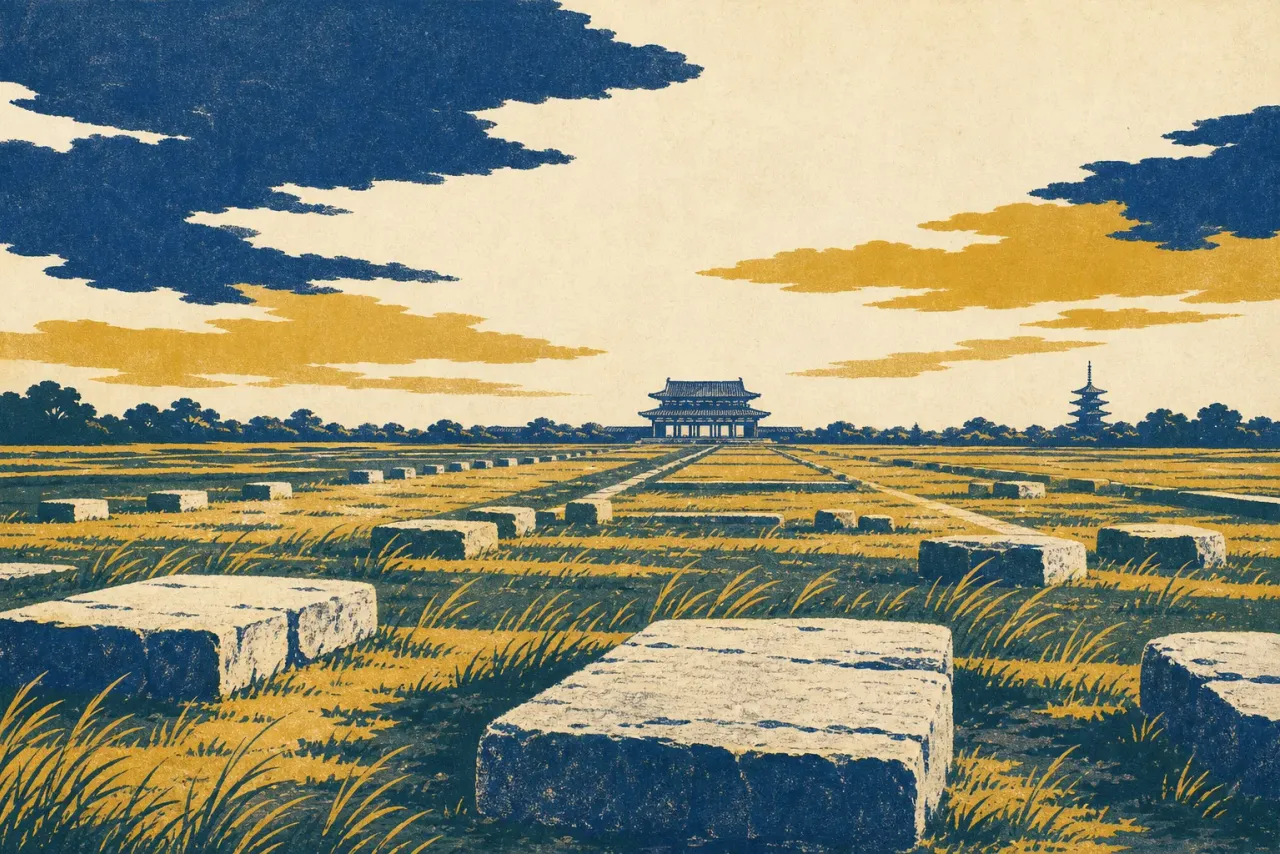
Most first-timers give Nara three hours. They ride the Kintetsu express in from Kyoto, walk the twenty minutes to the Great Buddha, hand a deer a cracker, and catch an early-afternoon train back. It works, in the way that seeing one painting in the Louvre works. Nara was Japan's capital from 710 to 784, and when UNESCO inscribed the city's monuments in 1998, the reasoning was that together they preserve a picture of daily life in an eighth-century East Asian capital: the great temples, the clan shrine, the sacred forest, the palace grounds. Five of the eight inscribed sites sit within one long, pleasant walk of Kintetsu-Nara Station. Spend a full day connecting them, in an order that beats the crowds instead of joining them.
Be at the Daibutsuden by 7:30
From April through October, Todai-ji's Great Buddha Hall opens at 7:30 in the morning (8:00 from November through March), a fact that never seems to make it into day-trip plans. Arrive at Kintetsu-Nara around 7:00, walk uphill through the free, always-open grounds of Kofuku-ji, and keep heading east through the park. The deer are awake at that hour. The tour buses are not.
Admission to the Daibutsuden is 800 yen as of 2026, and for the first hour you may share one of the largest wooden buildings on earth with a few dozen other early risers. The hall you enter is a 1709 reconstruction, and it still stops people mid-step. Inside sits the reason Nara mattered: a bronze Vairocana Buddha 14.98 meters tall, consecrated in 752, back when Todai-ji stood at the head of every provincial temple in Japan. The statue's scale was political as much as devotional. When the court abandoned Nara in 784, it did so partly to get away from this temple's power.
Before the crowds thicken, take the stone paths up the hillside east of the Daibutsuden to Nigatsudo. The sub-temple's wooden balcony is free, never closes, and gives the best view over the city you will find all day. Every March 1 to 14, in a rite called Omizutori that has been performed for more than 1,250 years, monks swing torches six to eight meters long from this platform after sunset. On an ordinary morning it is just you, the rooftops, and the haze over the old capital.
Lanterns and deer manners
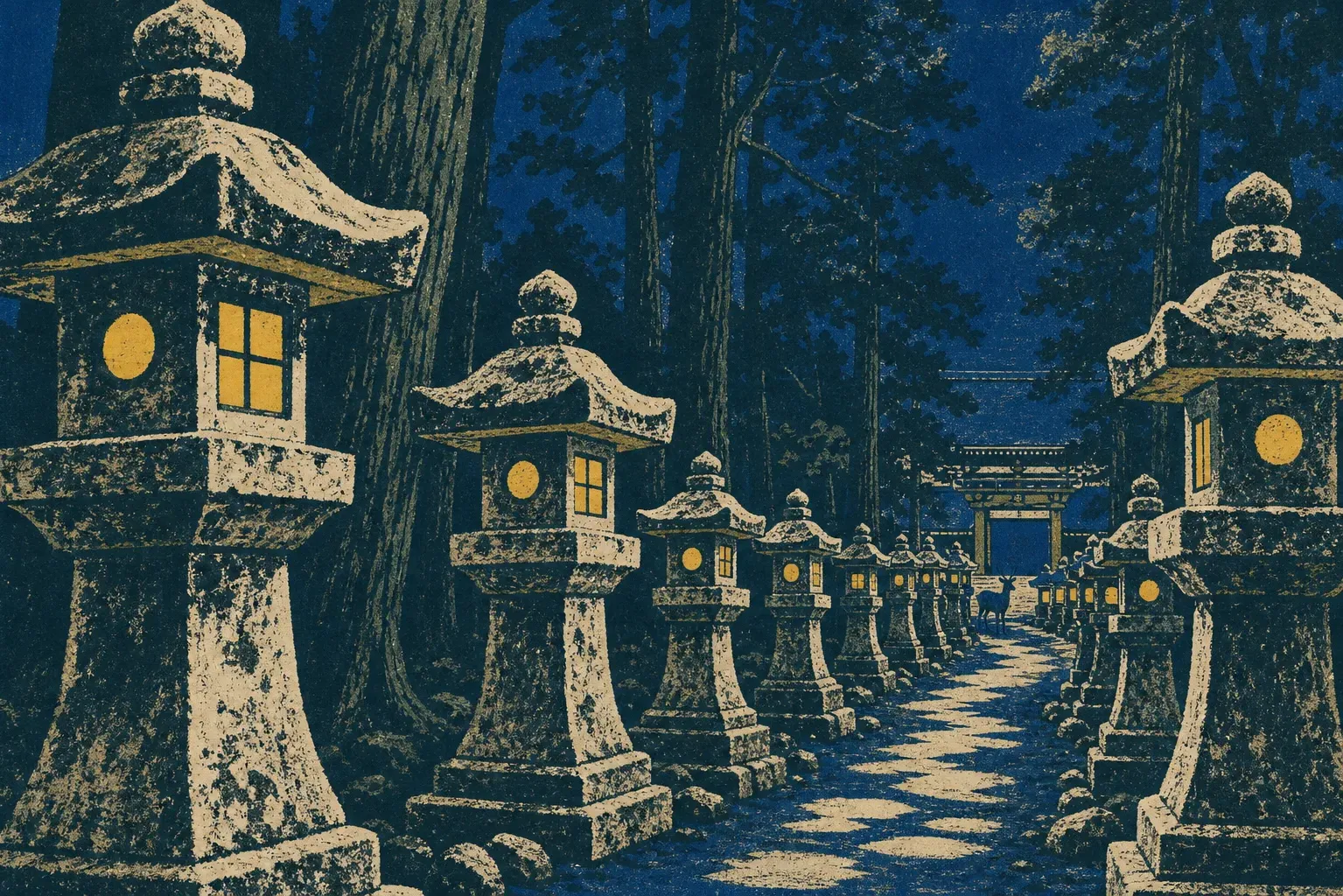
From Nigatsudo, forest-edged paths lead south to Kasuga Taisha, founded in 768 as the tutelary shrine of the Fujiwara, the family that dominated court politics for centuries. The approach is the attraction: thousands of stone lanterns crowd the walkways, and inside, ranks of bronze ones hang from the eaves. The grounds are free and open 6:30 to 17:30 from March through October; the inner sanctuary area costs 700 yen as of 2026 and holds the densest lantern corridors. One scheduling trap: that paid inner area shuts for the morning on the 1st, 11th and 21st of every month, and on around a dozen further ceremony dates scattered through the year, November 3 and November 23 among them, which lands squarely in foliage season. The shrine posts the list on its own site; read it before you count on a morning visit.
The deer you have been sidestepping since dawn are, in Shinto terms, messengers of this shrine, which explains both their protected status and their considerable confidence. Feed them nothing but shika senbei, the crackers sold in the park for about 200 yen a pack as of 2025. Many deer bow for them. They also nudge and nip, so hold the stack high and show empty hands when you finish. Give antlered males real distance during the September-to-November rut; the Nara Deer Preservation Foundation issues warnings about it every autumn.
Head back west for a late lunch on the Higashimuki or Mochiidono arcades near the station. The dish to order is kakinoha-zushi, pressed mackerel or salmon on rice wrapped in a persimmon leaf; Hiraso and Izasa Nakatani Hompo are both reliable names for it.
Then give Kofuku-ji a proper hour. The temple moved from Kyoto along with the capital itself in 710, as the Fujiwara family temple, and its five-story pagoda became the symbol of the city. Fair warning: the pagoda is currently invisible, sealed inside a full restoration enclosure until around 2034. Go anyway. The National Treasure Museum (900 yen as of 2026, open 9:00 to 17:00) is the real prize, and the slender, three-faced Ashura statue alone justifies the ticket.
Naramachi, and the case for staying past five
A short walk south of the arcades, the streets narrow into Naramachi, the old merchant quarter of latticed wooden townhouses. Inside it stands Gango-ji, the quietest World Heritage site of the day (700 yen as of 2026, open 9:00 to 17:00). Its lineage runs older than Nara itself: the temple descends from Asuka-dera, Japan's first full-scale Buddhist temple, founded in 593 and relocated here in 718. Look closely at the roof of the main hall. Some of those tiles were fired in the sixth century, and they are still up there doing their job.
Naramachi rewards unhurried browsing. Ashibi no Sato sells narazuke, vegetables pickled in sake lees, and serves narazuke set meals if the deer left you hungrier than expected. For something sweet, walk back toward Sanjo-dori to Nakatanidou, famous for pounding its yomogi mochi in fast, theatrical bursts; there is no fixed schedule, but the pounding happens most often from early afternoon into the evening, whenever stock runs low. Eat one while it is still warm.
Now the strongest opinion in this article: book a room in Nara. Most visitors sleep in Kyoto or Osaka, about 45 minutes away by train, and the consequence is that around five o'clock the park drains toward the stations. Stay near Kintetsu-Nara for convenience, or in Naramachi at a townhouse conversion like NIPPONIA HOTEL NARA NARAMACHI, eight rooms in a former sake brewer's residence; autumn dates go early. After dinner, walk back up through the dark park to Nigatsudo. The balcony never closes. You will likely have the city lights below entirely to yourself, apart from the deer settling into the grass.