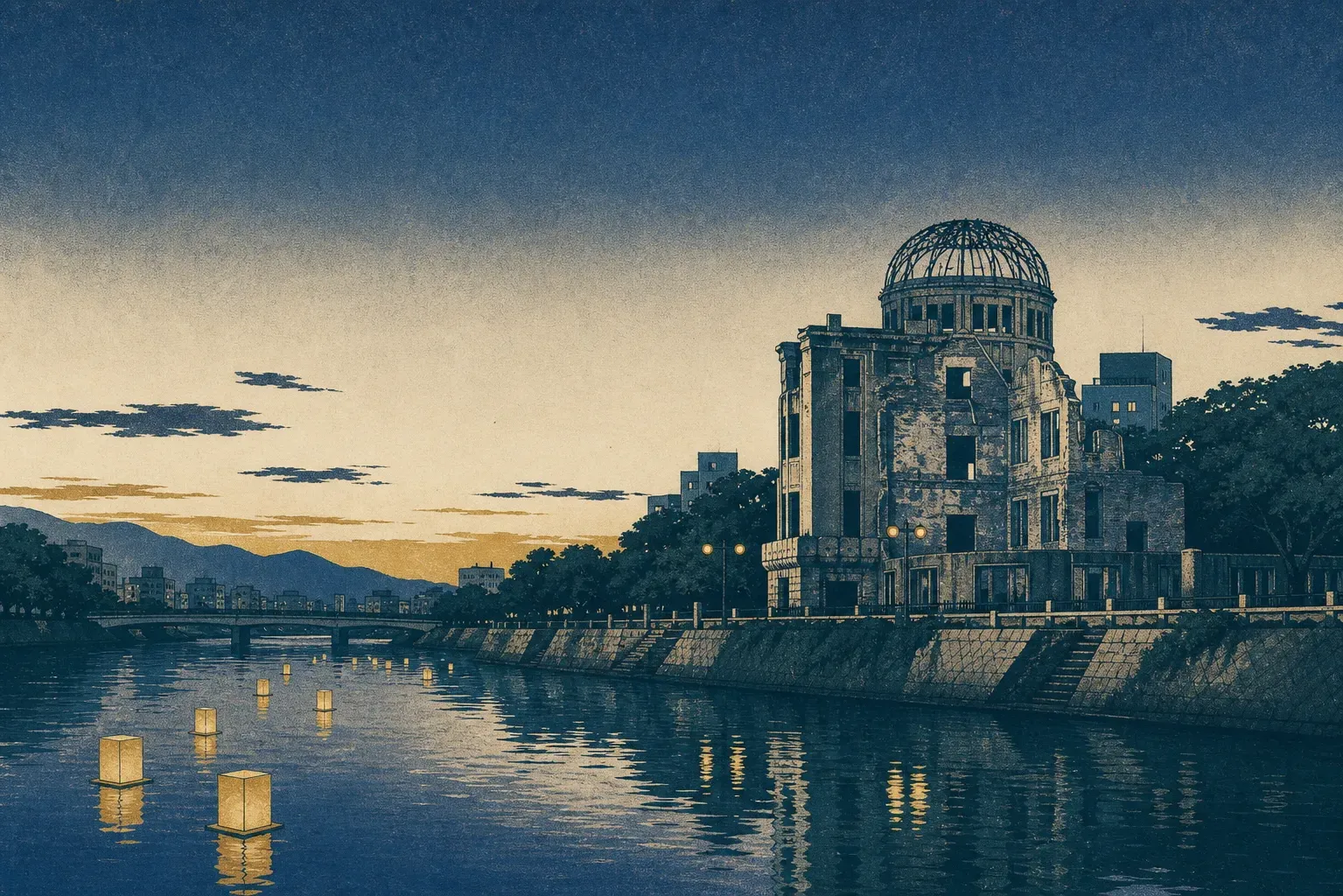
Hiroshima Peace Memorial (Atomic Bomb Dome)
原爆ドーム
- Hiroshima Station
- ≈4.5–5 h from Tokyo
- Depends on route — see Access
- Spring (late March-April, cherry blossoms along the rivers)
Quick facts
- ≈4.5–5 h from Tokyo
- roughly 19,000-20,000 yen one way for the Nozomi (reserved seat) plus about 240 yen for the streetcar; note the Japan Rail Pass does not cover Nozomi trains
- Depends on route — see Access
- Spring (late March-April, cherry blossoms along the rivers) · Autumn (October-November, mild weather) · August 6 for the Peace Memorial Ceremony (expect large crowds)
- Hiroshima Station
- The Peace Memorial Museum requires online reservations for all admissions Aug 8-16, 2026, and year-round for the 7:30-8:30 opening hour and the final 90 minutes of each day; book through the museum's official site.
- On August 6, 2026 the museum opens only after the Peace Memorial Ceremony ends (around 9:45) and the park is extremely crowded all morning, so plan an afternoon or evening visit; museum hours run to 21:00 on Aug 5-6 and 20:00 through August.
- The museum is closed Dec 30-31, 2026 and Feb 15-20, 2027 for exhibit changes; the Dome and the park remain free and open 24 hours.
Overview
Why it's inscribed
The World Heritage list almost never admits a place for what it means rather than what it is. The Genbaku Dome, inscribed in December 1996, is the exception: UNESCO listed it on a single criterion, as a symbol, because it is the only structure left standing near the hypocenter of the first atomic bomb ever used against a city. Not everyone agreed. Delegates from the United States and China both registered reservations at the inscription session.
Before that morning, the building was ordinary. Completed in April 1915 to a design by the Czech architect Jan Letzel, the Hiroshima Prefectural Commercial Exhibition Hall spent thirty years hosting art shows and trade fairs. On August 6, 1945, the bomb detonated roughly 150 meters away horizontally and 600 meters overhead. Because the blast force came down almost vertically, the central columns and sections of wall held while everyone inside died.
Hiroshima debated demolition for two decades. In 1966 the city council voted to preserve the ruin permanently, Mayor Shinzo Hamai raised funds at home and abroad, and steel bracing went in the next year. What stands today is that decision made physical: a skeleton kept upright on purpose, so the case for peace never has to be argued in the abstract.
What you'll actually see
The Dome anchors the 120,000-square-meter Peace Memorial Park across the Motoyasu River, and the whole circuit works as one unhurried walk.
Genbaku Dome
Start at the ruin itself, on the riverbank. It is fenced and cannot be entered; you view it from the perimeter path or, better, from the opposite bank, where the water doubles the wrecked frame. An AR marker on the information board opens a 360-degree view of the interior on your phone. Notice how intact the lower brickwork is compared with the blown-out upper floors, the signature of a blast that arrived from almost directly above. The ruin is lit nightly from sunset until around midnight, and the riverside is far emptier then.
Children's Peace Monument
A few minutes into the park, a bronze girl lifts a folded crane overhead. The monument was inspired by Sadako Sasaki, and the glass cases around it hold thousands of origami cranes folded by children. Of everything in the park, this is where grief tips toward something gentler. Slow down for it, especially if a school group is mid-visit.
Atomic Bomb Memorial Mound
Easy to miss: a plain grassy mound holding the ashes of tens of thousands of people who were never identified. Most visitors walk past without registering what it is. Don't. No single exhibit in the museum communicates the scale of that morning the way this quiet hill does, and you will probably have it to yourself. There is nothing to do here except stand for a minute, which is exactly the point.
Cenotaph for the A-Bomb Victims
The park's formal center. The saddle-shaped arch shelters the register of the victims, now more than 340,000 names, with the year's newly confirmed dead added every August 6. Stand directly in front and look through: the arch frames the Flame of Peace and, beyond it, the Dome in a single sightline, an alignment that is entirely deliberate. Photo etiquette is strictest here. No posed or celebratory shots; this is a tomb, and locals treat it as one.
Hiroshima Peace Memorial Museum
Most people end here, which lets the park land first; some prefer to start here so the ruin means more afterward. Either works. The main exhibition tells the story of August 6 through the belongings the dead left behind, and it is as hard as you have heard. Admission is 200 yen for adults as of 2026, with high schoolers at 100 yen and younger kids free. Coin lockers on the first floor take large bags. Ninety minutes to two hours is realistic, and more is not indulgent.
Worth knowing
Give this half a day. The pattern that wrecks visits is budgeting an hour, arriving between 11:00 and 14:00 with the tour groups, and sprinting. Four to six hours covers everything without rushing; the first hour after opening and the last regular hours are the calm windows. Reservations confuse people constantly: it is the museum that needs one at certain times, never the Dome or the park, which are free and open around the clock.
Sequence matters more than you'd expect. The museum is heavy, so walk the park afterward instead of booking something festive for the next hour; the riverside benches exist for a reason. Inside the museum, keep your voice down and leave the selfie stick in your bag.
Seasonally, spring brings cherry blossoms along the rivers and real crowds, while winter is quiet and happens to be oyster season. August 6 belongs to the Peace Memorial Ceremony and its enormous crowds; visit that day only if you mean to attend. And whatever your schedule, cross the river once after dark. The lit Dome over black water is the image you will keep.
Highlights
The Atomic Bomb Dome itself, viewed from across the Motoyasu River
Hiroshima Peace Memorial Park (in the buffer zone)
Hiroshima Peace Memorial Museum
Cenotaph for the Atomic Bomb Victims (aligned with the Dome and the Flame of Peace)
Children's Peace Monument with its thousands of paper cranes
Peace Memorial Ceremony held every August 6
Getting there from Tokyo
Tokaido/Sanyo Shinkansen (Nozomi) from Tokyo Station to Hiroshima Station (about 4 hours), then Hiroden streetcar line 2 or 6 to Genbaku Dome-mae stop (about 20 minutes of running time per the city, excluding the wait) and a 1-minute walk
Where to base & what to eat
Where to base
Hondori / Kamiyacho (downtown Hiroshima)
The best all-round base, with the Dome, museum, and Okonomimura all walkable, though you trade away quick access to the Shinkansen.
Peace Park / Motoyasu riverside
Quiet upscale hotels with park and river views, some facing the Dome itself, but late-night dining options thin out fast.
Hiroshima Station area
Dense with business hotels and ideal for a one-night stop or an early train to Miyajima, at the cost of a 15-minute tram ride to everything you came for.
Miyajima Island
Historic ryokan with onsen and Inland Sea views, and overnighting means the torii at sunrise without day-trippers, but it is pricier and you live by the ferry timetable.
What to eat
Hiroshima-style okonomiyaki
Layered rather than mixed: a thin batter crepe, a mountain of cabbage, pork, fried noodles, and an egg. Nagataya, a Showa-retro griddle room steps from the Dome, draws lines; Okonomimura in Shintenchi stacks 20-plus stalls over several floors.
Hiroshima oysters (kaki)
The bay produces roughly 60 to 70 percent of Japan's oysters; order them grilled (kaki-yaki) or deep-fried (kaki furai), and come in winter for peak season.
Hiroshima tsukemen
Cold noodles dipped into a chili-laced sauce with the heat typically adjustable from 1 to 5; a downtown staple most visitors never hear about.
Anago-meshi
Charcoal-grilled conger eel over rice, the classic of the Miyajima area; save it for the island day trip rather than hunting it downtown.
Momiji manju
Maple-leaf-shaped cakes filled with red bean, custard, matcha, or chocolate, invented on Miyajima in the early 1900s and sold all over the city as the default souvenir.
Official links
Fares, hours and closures change with little notice. These are the operators' and authorities' own pages — worth a look close to your travel dates.
Related stories
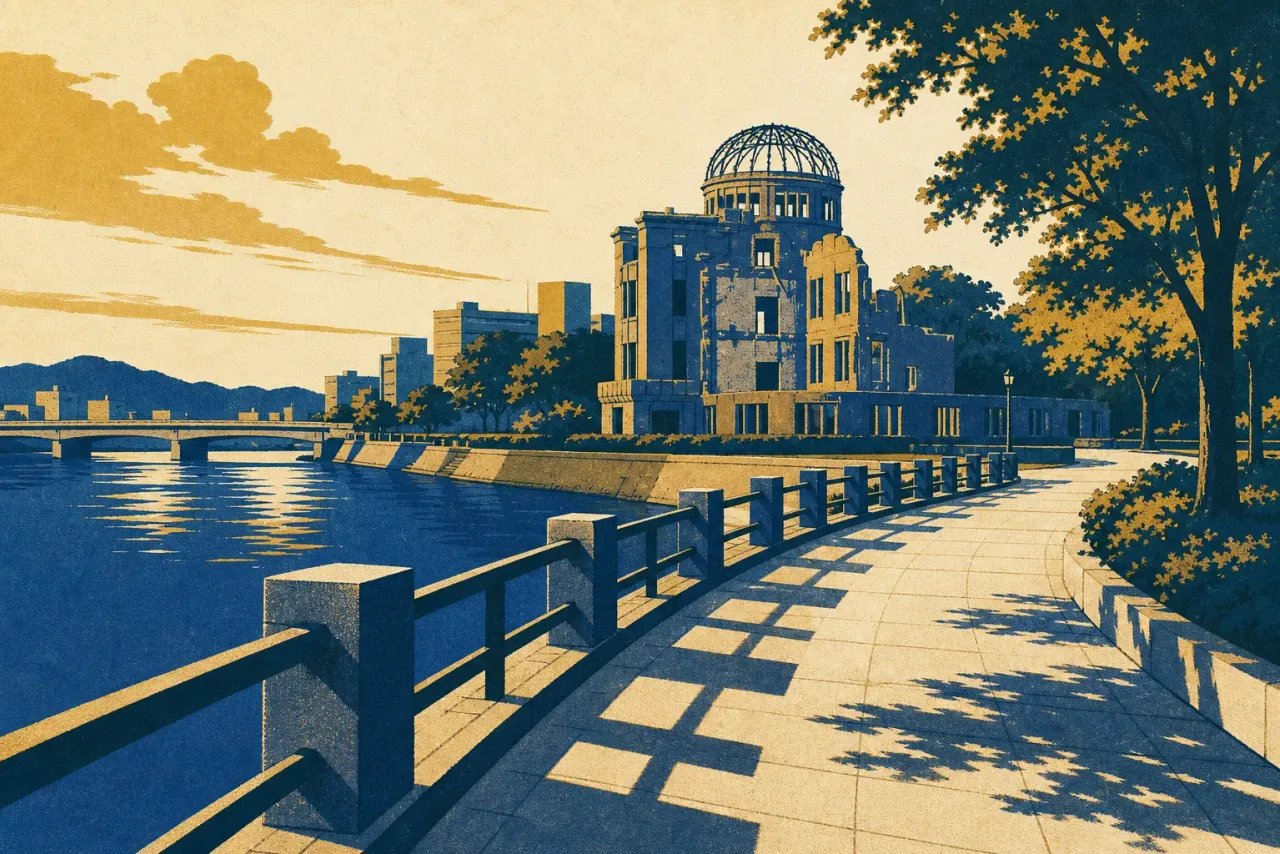
A Half Day at the Genbaku Dome: How to Visit Hiroshima's Peace Memorial Without Rushing It
The Dome never closes, so the museum's hours and reservation windows set your schedule. The route, the numbers, and why the hours after the museum should stay empty.
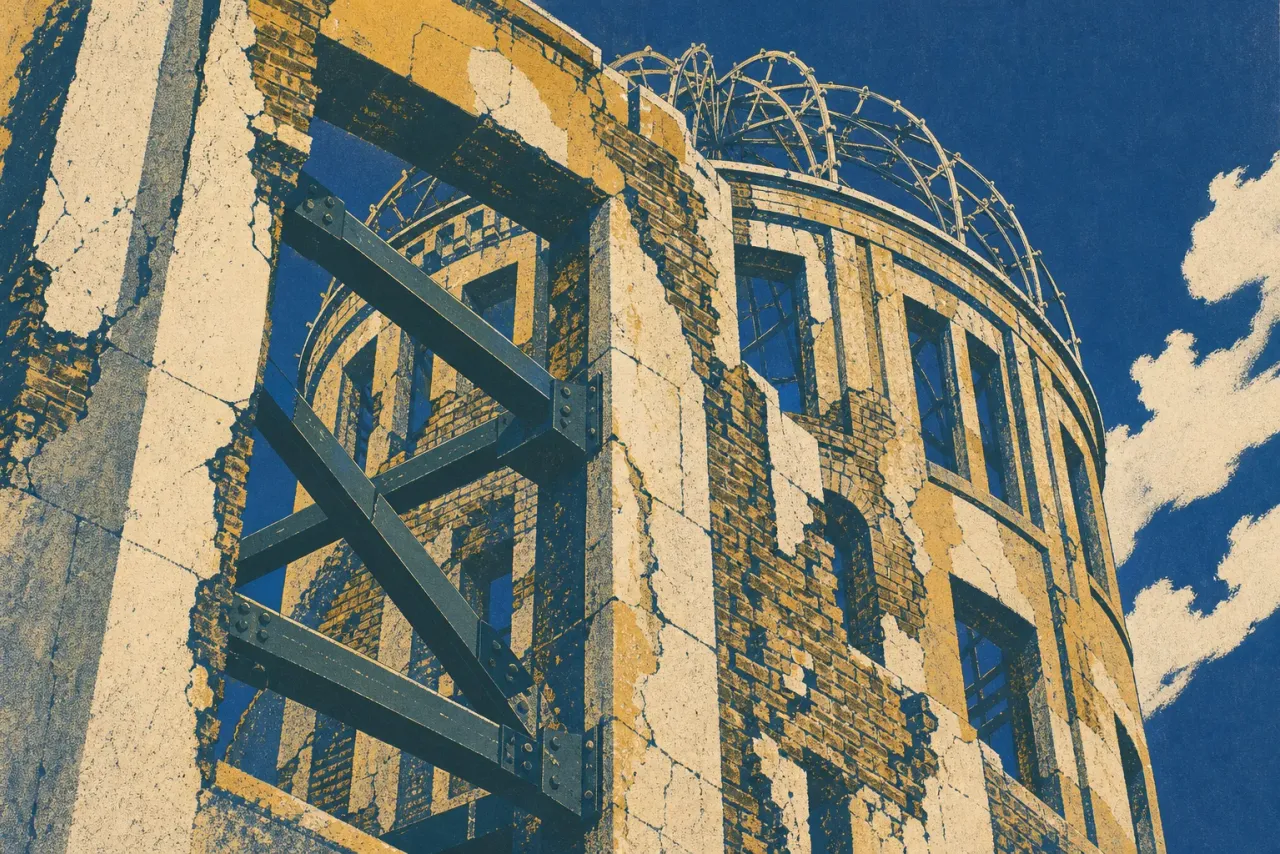
The Building That Refused to Fall: Why the Genbaku Dome Looks the Way It Does
Steel bracing in 1967 and four campaigns since hold the ruin at the moment of its destruction. The blast geometry, the two decades Hiroshima wanted it gone, and how to read the building now.