Ancient Kyoto (Kyoto, Uji & Otsu temples and shrines)
古都京都の文化財(京都市、宇治市、大津市)
- Kyoto Station
- ≈2.5–3 h from Tokyo
- Depends on route — see Access
- Spring (late March-April) for cherry blossoms; late April-May for fresh green maple leaves
Quick facts
- ≈2.5–3 h from Tokyo
- about 14,000 yen one way (Nozomi, reserved seat)
- Depends on route — see Access
- Spring (late March-April) for cherry blossoms; late April-May for fresh green maple leaves · Autumn (November) for renowned foliage in temple gardens · Summer for the month-long Gion Festival (July); winter for quieter temples and hot springs
- Kyoto Station
- Saiho-ji (Kokedera) admits no walk-ins: reserve online at intosaihoji.com from two months ahead (¥4,000 plus ¥110 fee, minimum age 13) or by return postcard. The temple also suspends standard garden visits for grounds maintenance in midwinter, so check its calendar before booking a January or February date.
- Enryaku-ji's Konpon Chudo is closed to interior worship from January 2026 until January 2028 while its roof is rebuilt: the substitute principal image and the eternal flame are venerated at Manpai-do meanwhile, and the temporary stage overlooking the roof work is due to be dismantled from about December 2026.
- Kyoto City's accommodation tax rose sharply on March 1, 2026, to between ¥200 and ¥10,000 per person per night depending on room rate, so budget for it on top of quoted prices and ignore older guides quoting the pre-2026 bands.
- Byodo-in's Phoenix Hall interior sells same-day timed tickets only (+¥300, 50 people per 20-minute slot) that can sell out by midday in peak season, and the temple has announced changed interior-visit procedures for June through October 2026 — check the official site before you go.
Overview
Why it's inscribed
Kyoto was founded in 794 as Heian-kyo, a capital laid out on the grid plan of China's great Tang cities, and it kept Japan's imperial court for more than a thousand years, until the move to Tokyo in the mid-nineteenth century. For most of that stretch, whatever mattered in Japanese culture happened here first. The World Heritage listing makes a specific claim out of that long run: these 17 sites, taken together, trace the whole development of Japanese wooden architecture, above all religious architecture, and of the Japanese garden, from the 10th century through the 17th. You can walk the timeline. Daigo-ji's pagoda went up in 951 and is the oldest building in Kyoto; Byodo-in's Phoenix Hall followed in 1053; Tenryu-ji's garden, designed by the Zen master Muso Soseki, dates to the 14th century; Kinkaku-ji and Ginkaku-ji frame the shogunal tastes that came after; Nijo Castle's palace of 1603 shows where secular architecture landed once the samurai ran the country. The garden tradition alone would justify the listing, since it went on to shape landscape design far beyond Japan. Sixteen of the components are temples and shrines. The castle is the lone exception, and a telling one.
What you'll actually see
Kiyomizu-dera
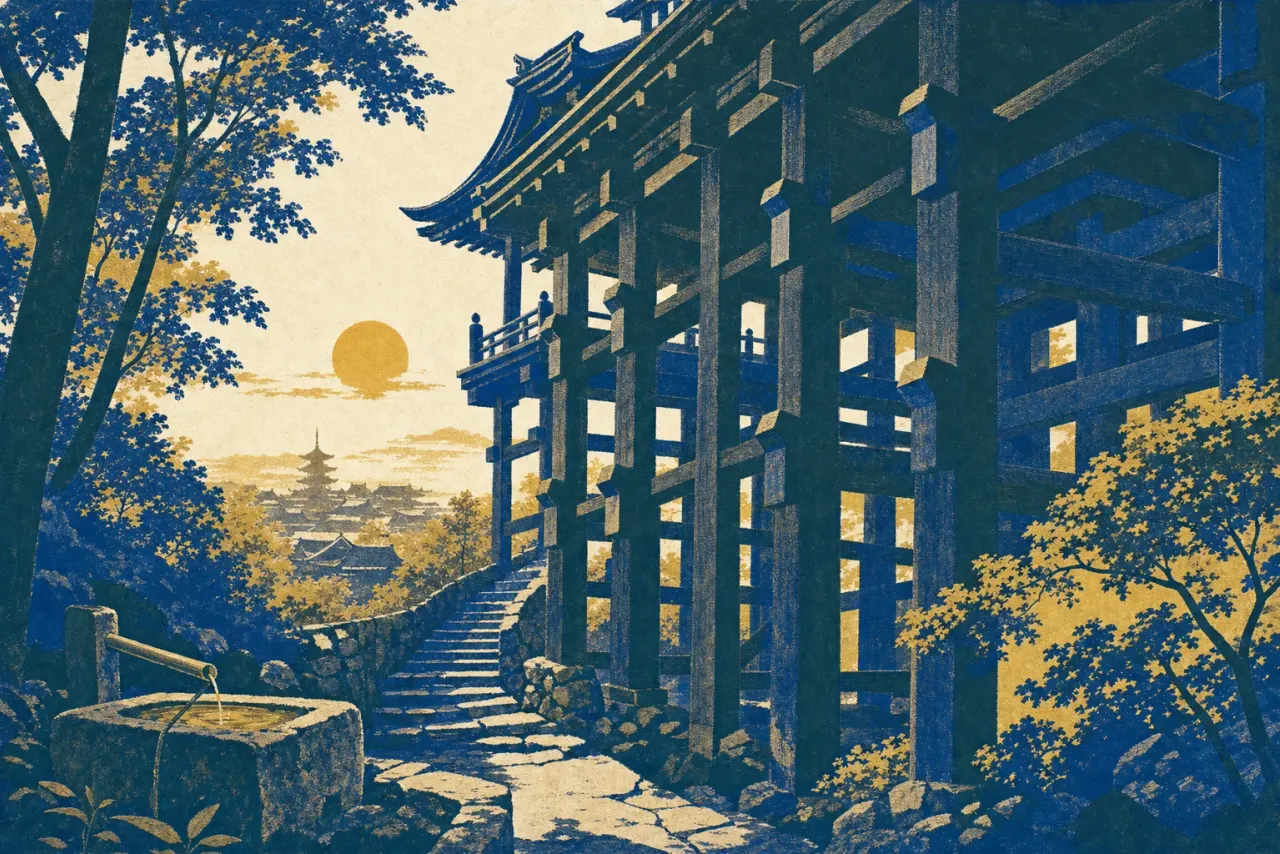
Start here, and start early. The gates open at 6:00, hours before the Higashiyama lanes fill in, and the temple's centerpiece is best without a crowd on it: a broad wooden stage carried out over the hillside on tall pillars, the city spread below. Admission is ¥500 as of 2026, and 30 to 60 minutes covers it. If you're in town for cherry season or the November foliage (or mid-August Obon), come back after dark; on illumination nights the grounds stay lit until 21:30.
Nijo Castle
The one component that isn't a temple or shrine, and that's the point. This is where the Tokugawa shogun stayed when he visited the emperor's city, and the Ninomaru Palace, built in 1603, was designed to advertise exactly whose country this now was. Walk its corridors and the floorboards chirp underfoot, the famous "nightingale floor." Grounds cost ¥800 and the palace interior another ¥500 as of 2026; give the whole site 90 minutes to two hours. The interior is the reason to come, so check the Tuesday closures before you do.
Kinkaku-ji
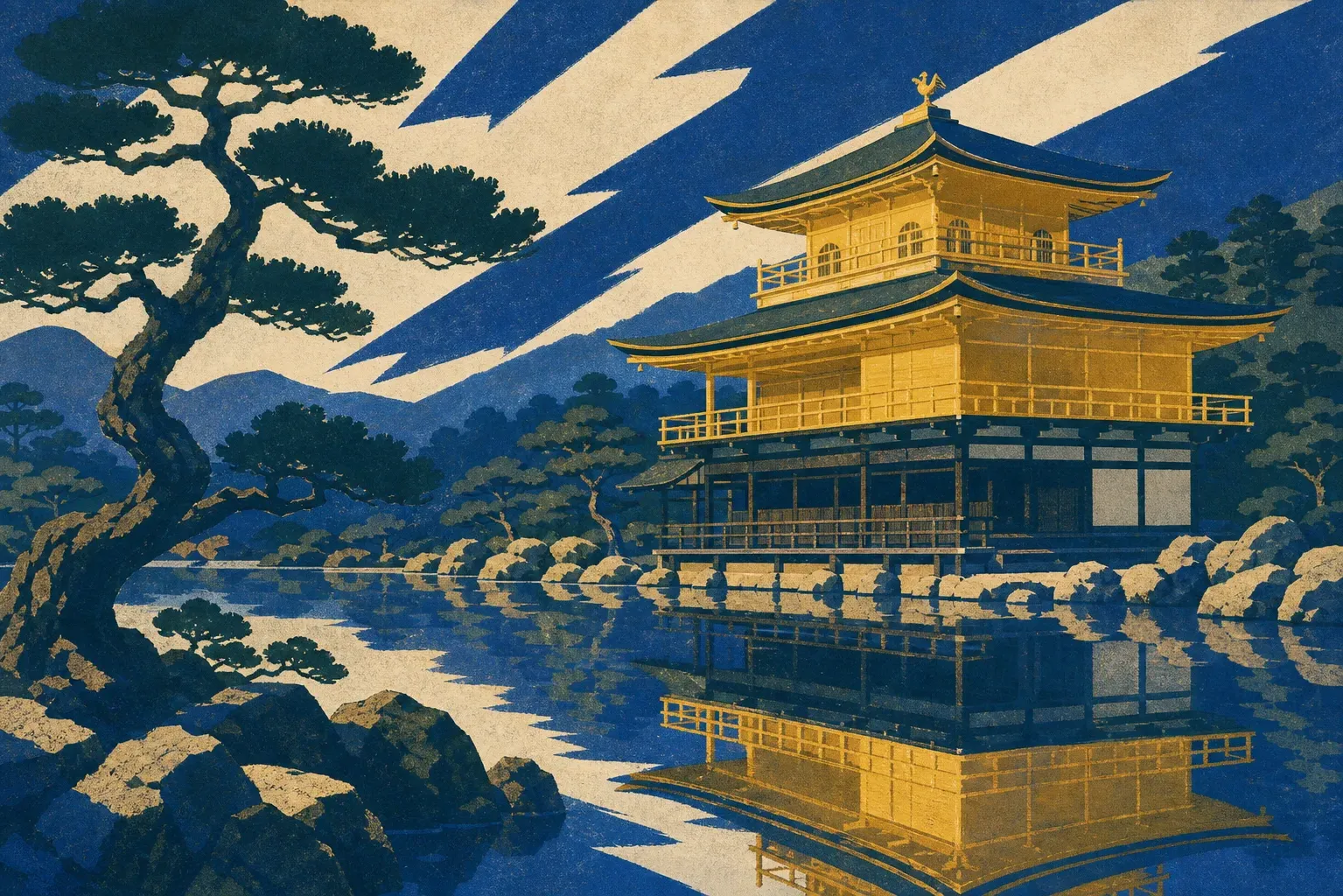
Yes, the top two floors really are covered in gold leaf, and yes, everyone else in Kyoto is coming to see them too. The pavilion sits across a pond that doubles it in reflection, and the viewing path runs one way, so the visit is short: 15 to 45 minutes, ¥500 as of 2026. Be there at 9:00 when it opens, take it in, and treat it as one stop on a northwest-Kyoto morning rather than a destination. Pair it with Ryoan-ji the same day.
Ryoan-ji
Japan's most analyzed rock garden: fifteen stones in raked gravel inside a low earthen wall, and nothing else. Admission is ¥600 as of 2026, after a ¥100 increase in April 2023. What to do here is simple and surprisingly hard. Sit on the viewing veranda and stay put for ten minutes; the composition hands you nothing to decode, and once the tour groups cycle through, the quiet does the work the stones were arranged for.
Byodo-in
Reason enough for a half day in Uji. The Phoenix Hall of 1053, the building stamped on the ¥10 coin, faces you across its pond looking very much like a bird about to lift off. The garden and the Hoshokan Museum together cost ¥700 as of 2026; the hall's interior takes another ¥300 on same-day timed tickets, 50 people per 20-minute slot, and slots can sell out by midday in peak season, so buy them the moment you arrive. The temple has announced changed interior-visit procedures for June through October 2026, so check the official site first.
Enryaku-ji
The Shiga component: a monastery sprawled across Mt. Hiei above Otsu, founded in 788, reached by cable car. Three precincts spread over the mountain. Todo holds the Konpon Chudo main hall, where a flame has burned for roughly 1,200 years; Saito is a quieter 30-minute walk on; Yokawa sits a shuttle ride farther out. A ¥1,000 ticket as of 2026 covers all three. Do not schedule this as a one-hour stop — with the cable car, Todo alone is half a day. Check what you can enter before you climb: the Konpon Chudo went under a once-in-60-years roof restoration in fiscal 2016, a job since extended to roughly fifteen years with completion expected around 2030, and its interior is closed to worship from January 2026 until January 2028. The flame and the substitute principal image have moved to Manpai-do for the duration. The temporary stage built level with the roof work stays up until about December 2026, and that, not the hall, is the reason to go now.
Worth knowing
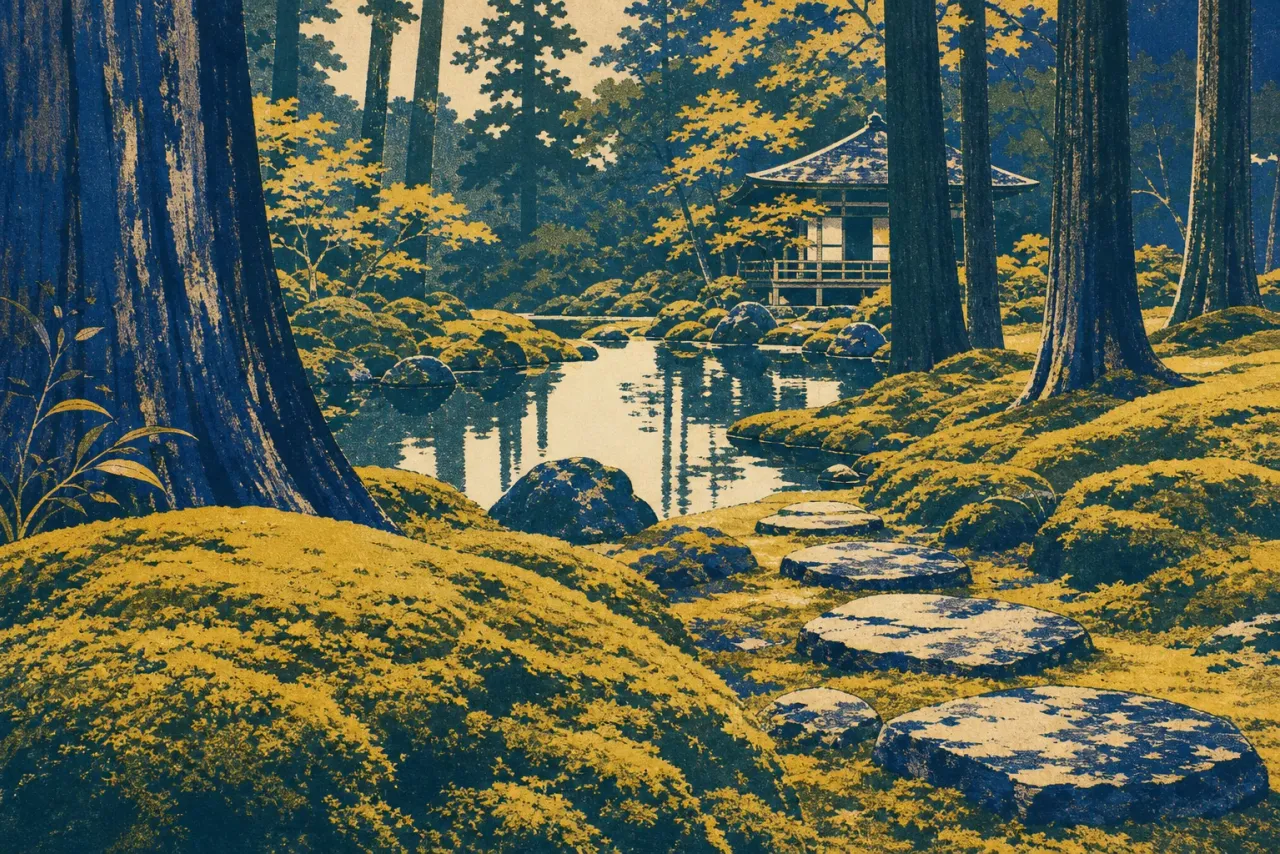
Resist doing everything by bus: the 205 and 206 loop lines crawl, and subway plus a walk usually beats them. Two booking traps catch people constantly. Saiho-ji, the moss temple, takes no walk-ins at all — reserve up to two months out, and every visit starts with copying a sutra, tracing sheets provided, no Japanese needed. And Nijo's Ninomaru Palace interior closes on Tuesdays in January, July, August and December, which is easy to discover only at the gate. In Gion, never photograph geiko or maiko without consent; some lanes now fine it. At Nishiki Market, eat at the stall rather than while walking. If you land after the early-April cherry peak, Ninna-ji's late-blooming Omuro cherries are the city's built-in second chance.
Highlights
Kiyomizu-dera Temple and its hillside wooden stage in Higashiyama
Kinkaku-ji (Golden Pavilion) and Ginkaku-ji (Silver Pavilion)
Nijo-jo Castle, the only secular component of the 17
Ryoan-ji's famous rock garden
Byodo-in Phoenix Hall and Ujigami Shrine in Uji
Enryaku-ji temple complex on Mt. Hiei in Otsu (Shiga)
Getting there from Tokyo
JR Tokaido Shinkansen (Nozomi) direct from Tokyo Station to Kyoto Station in about 2h15m; the 17 components are then reached by Kyoto's city buses and subway, JR Nara Line to Uji (Byodo-in), and trains/cable car toward Mt. Hiei for Enryaku-ji.
Where to base & what to eat
Where to base
Kyoto Station area
Business hotels at every price and the JR lines to Uji and Mt. Hiei start at your door, but the surroundings have no atmosphere after dark.
Downtown Kyoto (Kawaramachi/Karasuma)
The best walkability in the city, with Nishiki Market, both subway lines, and Gion on foot; you trade away the temple-district hush.
Gion / Southern Higashiyama
Ryokan and machiya stays put Kiyomizu-dera within a dawn walk, at the cost of higher prices, daytime crowds, and awkward luggage logistics.
Otsu / Sakamoto (Lake Biwa side)
A cheaper base ten minutes from Kyoto by JR, right at the foot of the cable car up to Enryaku-ji, but dining options thin out fast in the evening.
What to eat
Yudofu (simmered tofu)
The temple districts' signature dish; Okutan near Nanzenji has been serving it since 1635, and Nanzenji Junsei does garden-view courses.
Shojin ryori
Buddhist vegetarian cooking without meat, fish, or alliums, eaten inside an actual World Heritage component at Shigetsu in Tenryu-ji, Arashiyama.
Nishiki Market grazing
A 400-meter arcade of about 130 shops for tofu doughnuts, tamagoyaki, yuba, and pickles; the etiquette is to eat at the stall, not while walking.
Uji matcha
Pair Byodo-in with Nakamura Tokichi's main store near JR Uji (founded 1854) for matcha parfaits and soba, or Tsuen by Uji Bridge, which claims to be Japan's oldest teahouse (1160).
Obanzai and kaiseki
Kyoto home-style small plates at downtown counter izakaya, and kyo-ryori kaiseki in Gion or Pontocho when it's time to splurge.
Official links
Fares, hours and closures change with little notice. These are the operators' and authorities' own pages — worth a look close to your travel dates.
Related stories
Seventeen Sites, One Ancient Capital: A First-Timer's Plan for Kyoto's World Heritage
Kiyomizu-dera at 6:00, the shogun's castle after lunch, gold leaf before the tour buses, and same-day tickets in Uji: a three-day route through Kyoto's 17 World Heritage components, with 2026 prices throughout.
The Moss Temple and the Sacred Mountain: Kyoto's World Heritage You Must Plan For
Saiho-ji books out two months ahead, Enryaku-ji swallows a full day on a mountain, and Byodo-in's best ticket can be gone by noon. How to handle the Kyoto World Heritage sites that don't take walk-ins lightly.