Amami-Okinawa Islands (Amami Oshima / Yanbaru / Iriomote)
奄美大島、徳之島、沖縄島北部及び西表島
- Amami Airport (Amami-Oshima); Naha Airport for Yanbaru; Ishigaki Port for Iriomote
- ≈3–4 h from Tokyo
- Depends on route — see Access
- Spring (Mar–May, before the June rainy season)
Quick facts
- ≈3–4 h from Tokyo
- Domestic flights roughly 15,000–50,000 yen one-way depending on season/booking; Ishigaki–Iriomote ferry about 2,000–3,000 yen
- Depends on route — see Access
- Spring (Mar–May, before the June rainy season) · Autumn (Oct–Nov, after typhoon season) · Winter (Dec–Feb) is mild and good for hiking; summer is hot with typhoon risk Jun–Sep
- Amami Airport (Amami-Oshima); Naha Airport for Yanbaru; Ishigaki Port for Iriomote
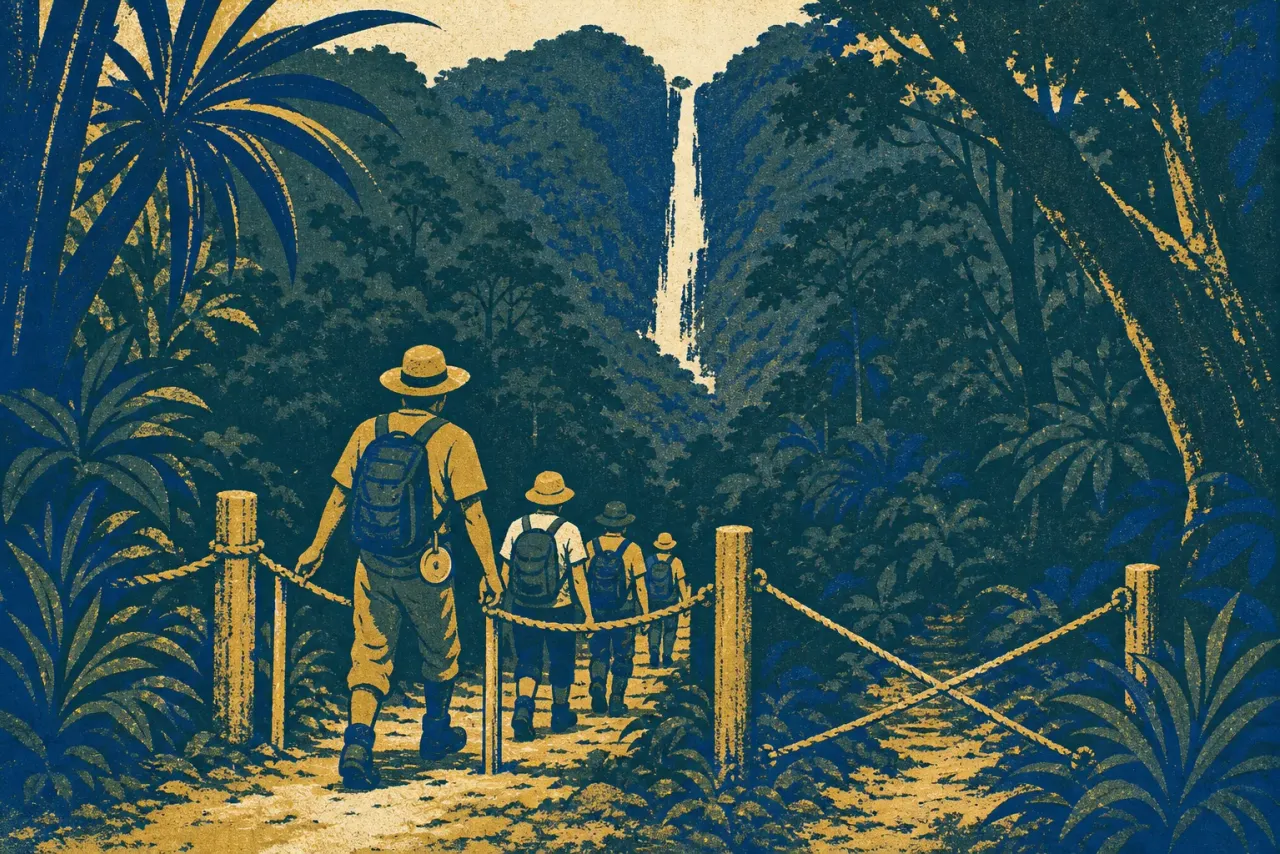
- Since 1 March 2025 the five best hikes on Iriomote (Hinai River for Pinaisara Falls, Nishida River for Sangara Falls, Komidake, Tedou-yama and the Urauchi headwaters traverse) require prior approval from Taketomi Town, with daily caps of 200, 100, 30, 30 and 50 people against a combined ceiling of 300 a day, and fees of ¥500 per person with a registered guide or ¥1,000 self-guided after a town lecture (2026 rates). The booking portal is Japanese-only, so apply through a town-registered guide operator listed at iriomote-ecotourism.jp.
- On Amami-Oshima, Kinsakubaru primeval forest can only be entered on a paid tour with an Amami-Islands-certified eco-tour guide, and a night wildlife drive on the Santaro Line needs an advance vehicle reservation even for island residents, so arrange both well before you arrive.
- The Iriomote World Heritage Center is not scheduled to open until 1 July 2027, so until then the island's official base is the Iriomote Wildlife Conservation Center (10:00–17:00, closed Mondays, 23 June and year-end, 0980-85-5581).
- Taketomi Town (Iriomote, Taketomi, Kohama, Hateruma) passed a visitor tax ordinance on 13 June 2025 and is targeting introduction in fiscal 2026, subject to national approval. The rate, collection method and exemptions were still unpublished as of August 2026, so re-check the town website close to your travel dates.
Overview
Why it's inscribed
Japan's newest natural World Heritage site is not one place. It is five separate pieces of land on four islands, 42,698 hectares in total, and Tokunoshima alone contributes two of the five. Nobody lives inside the boundary. Every port, village and roadside pullout you will actually stand in sits in the buffer zone, or outside the property altogether.
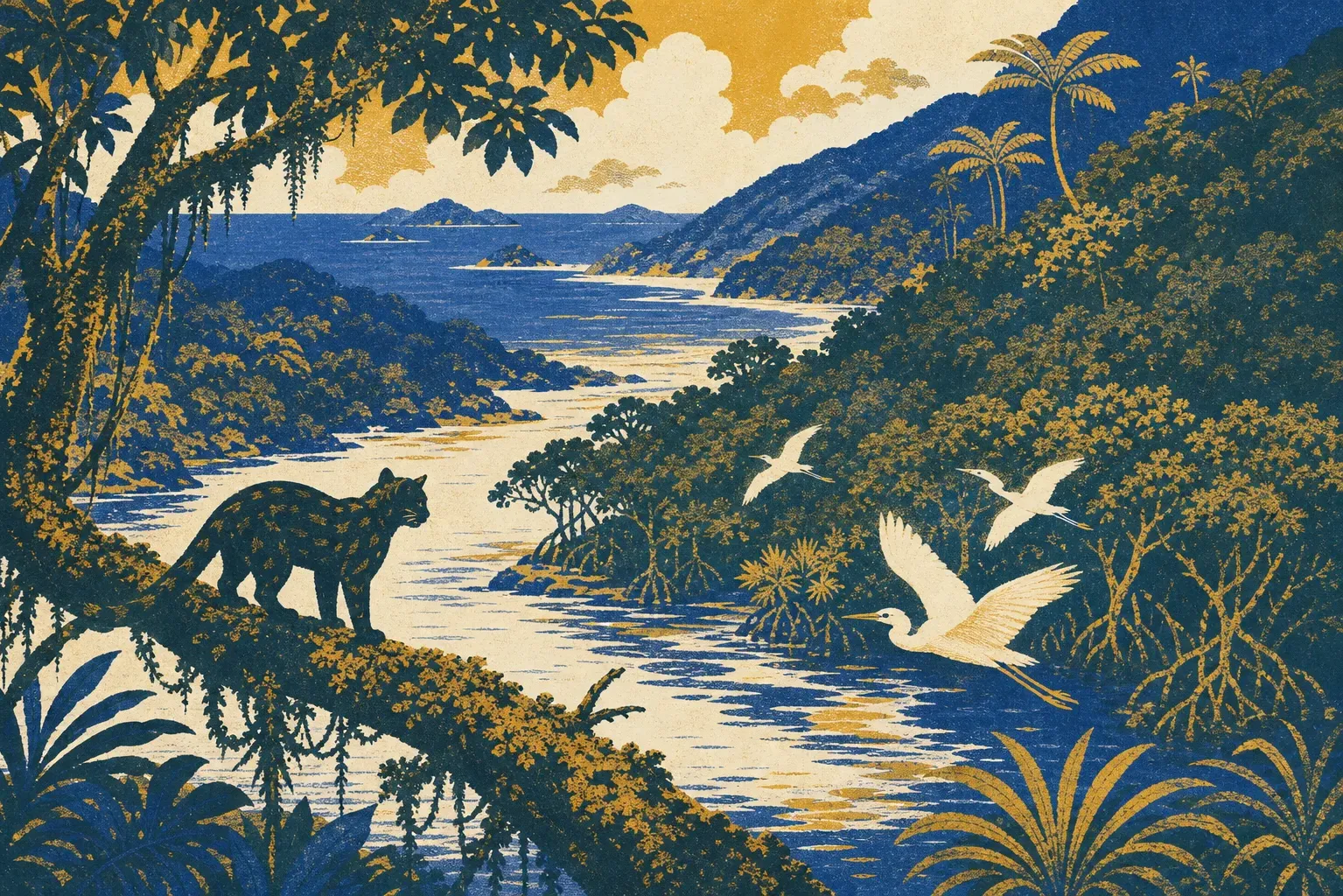
Geology explains the rest. When the Okinawa Trough opened in the late Miocene it severed this chain from the Eurasian continent and broke it into fragments. Species stranded on each fragment then evolved on their own, so the endemism here is island-specific rather than regional. Only Amami-Oshima and Tokunoshima have the Amami rabbit, the sole species in its genus, with no close relatives anywhere on earth. Yanbaru has the flightless Okinawa rail. Iriomote has its cat, on what is often called the smallest island in the world with a resident wildcat. There is even an endemic genus of spiny rats, one species per island.
UNESCO's tally backs up the feeling of the place: at least 1,819 vascular plants, 21 land mammals, 394 birds, 267 inland-water fish, 36 reptiles and 21 amphibians, inside a property well under half a percent of Japan's land area. Endemism runs at 62% among land mammals, 64% among reptiles, 86% among amphibians, 100% among freshwater crabs. Inscription came in 2021 on a single criterion: biodiversity, and nothing else.
What you'll actually see
Kinsakubaru National Forest, Amami-Oshima
Inland from Naze the road narrows into a valley of primeval forest where giant hikage-hego tree ferns close the canopy overhead. You cannot drive in and wander. Entry is by paid tour with an Amami-Islands-certified eco-tour guide, and there is no parking and no toilet at the site, and no phone signal either. What the guides show you is small: spore cases under a fern frond, cicada racket, the smell of wet earth. Book weeks ahead; the certified-guide pool is finite.
Sumiyo: mangroves, Yuwandake, the Santaro Line
Sumiyo holds Japan's second-largest mangrove forest, over 71 hectares where two rivers meet, and the way to see it is a guided canoe threading between the roots. Behind it rises Mt. Yuwandake, 694 m, the highest ground in the entire property and a mountain with spiritual weight locally as well as its own usage rules since November 2022. The same district gives you the Santaro Line, the forest road where people drive slowly at night hoping an Amami rabbit crosses. That night drive needs an advance vehicle reservation, residents included, because nightly capacity is managed.
Tokunoshima
The island most itineraries skip is the only one contributing two separate component parts. The Amami rabbit lives here as well, alongside Tokunoshima's own spiny rat, one of three in that endemic genus with a species apiece. Start at the Tokunoshima World Heritage Center: free, closed Tuesdays, twelve minutes by car from the airport, 46 parking spaces. Then time your visit to a togyu day if the calendar allows. Bull sumo is the island's cultural signature, and nothing else on Tokunoshima draws a crowd like it.
Yanbaru, northern Okinawa
Yambaru National Park covers 17,352 hectares at the top of Okinawa Island. Begin at the Yambaru Wildlife Conservation Center, the Ufugi Nature Museum, in Hiji: ¥300 cooperation fee as of 2026 for junior-high age and above, closed Mondays, most national holidays and 23 June, with a display tallying roadkill as it accumulates (26 Okinawa rails and 36 Ryukyu long-haired rats when this was last checked). Then ASMUI, the rock landscape renamed from Daisekirinzan in December 2024. In the Chūzan Seikan, the goddess Amamikyo made Asumui before anywhere else in Ryukyu. Adults 15 and over pay ¥2,500 as of 2026, ages 6 to 14 pay ¥1,000, and the visit runs 90 minutes to two and a half hours. Wear real shoes. Cape Hedo finishes the island.
Iriomote's rivers and waterfalls
Iriomote is roughly 90% jungle and mangrove, with Okinawa Prefecture's largest river, the Urauchi, and its largest waterfall, Pinaisara. The two are arranged completely differently. The Urauchi sightseeing boat, plus the walk to Mariudo and Kanpire falls, needs no permit, though fares and departure times aren't published online, so call the operator before you count on a specific boat. Pinaisara sits on the Hinai River, capped by Taketomi Town at 200 visitors a day and one of five fields closed to unapproved entry since March 2025; you go with a town-registered guide. Komidake, the 469.5 m peak, is capped at 30. Expect to be wet from the kayak onward, and to carry your own trash out.
Yubu Island and the Yaeyama night sky
Yubu is the low-effort counterweight to all that permitting. A water-buffalo cart hauls you across the shallows: ¥2,000 round trip for adults including admission as of 2026, ¥1,000 for elementary-age children, carts from 9:15, last entry 15:45 and last return 16:30, no crossing when the tide or wind says otherwise. The islet is a subtropical botanical garden with a restaurant and tea house, which on this island counts as a dependable lunch. Stay out after dark, too. DarkSky International fully certified the Iriomote-Ishigaki park on 27 May 2026, upgrading the provisional status it had held since 2018.
Worth knowing
Rain is the constant. Amami takes about 2,900 mm a year, and the rainy season runs from roughly May 12 to June 29 on the long-term averages. Typhoon risk peaks later and not where most itineraries assume: August is the busiest month for approaches around Okinawa, September around Amami, while October runs at about half the peak and falls away through November. Price that in before you buy anything non-refundable. Bring real rain gear instead of an umbrella, and long sleeves in every season, for sun and for aggressive air-conditioning.
Be honest with yourself about animals. Amami rabbit, Okinawa rail and Iriomote cat are nocturnal or scarce or both, and most visitors never see one. What you do get is old forest, mangrove water, the noise of a subtropical night, and center staff who will tell you what has actually been sighted that week.
Iriomote's published usage rules read as the model for the whole property, and they are blunt: stay on marked paths, take nothing living out, bring nothing living in, use a toilet before entering a field and carry a portable one, don't board a boat muddy, no night hiking, no camping or open fires, drones only with permission, and never bring a pet, above all a cat, into the forest. Habu pit vipers are one good reason the path rule exists.
If you hit or find an injured animal on Iriomote, call the Wildlife Conservation Center at 0980-85-5581. It runs a 24-hour line.
Highlights
Night wildlife tours on Amami-Oshima to spot the endemic Amami rabbit
Amami-Oshima World Heritage Conservation Center (opened 2022)
Yanbaru forest in northern Okinawa, home of the flightless Okinawa rail
Iriomote's mangrove rivers (kayak/boat tours) in forest covering about 90% of the island
Iriomote cat habitat — the smallest island in the world with its own wildcat
Tokunoshima's rugged coastline and endemic-species forests
Getting there from Tokyo
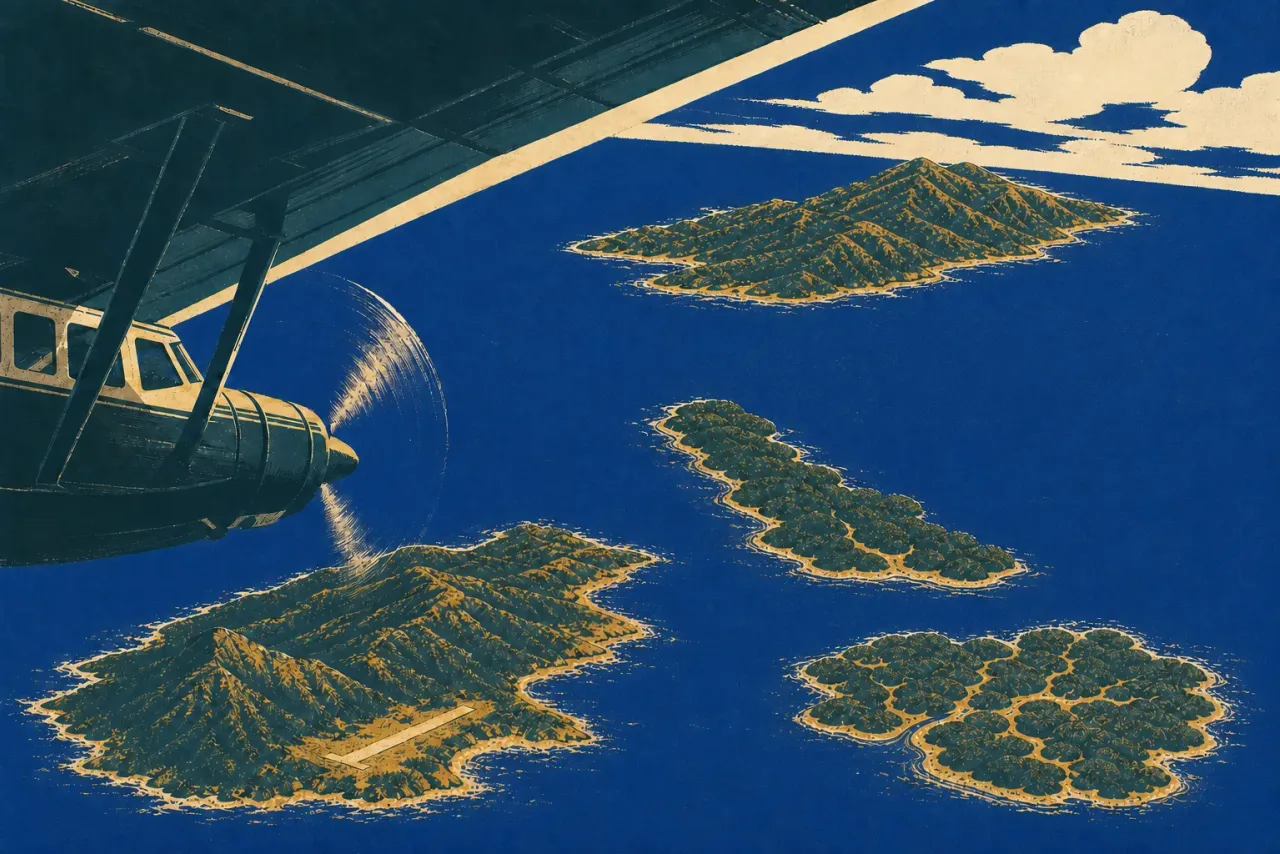
No single gateway — pick your island. Amami-Oshima: direct JAL flight Haneda–Amami Airport (about 2h10–2h30). Tokunoshima: fly via Kagoshima, then about 1h to Tokunoshima Airport. Yanbaru (northern Okinawa): fly Haneda–Naha (about 2h45), then rental car or bus roughly 1.5–2h north. Iriomote: fly Haneda–Ishigaki (direct about 3h, or via Naha), then ferry from Ishigaki Port 35–50 min to Ohara or Uehara port.
Where to base & what to eat
Where to base
Naze, Amami City (Amami-Oshima)
The chain's only real town, with izakaya and live shima-uta on Yanigawa street and a ¥1,100 airport bus (2026) that makes it the one base workable without a car, paid for in driving time: 30 to 60 minutes each way to the Sumiyo mangroves and the Santaro Line.
Kasari / Amami Airport area (north Amami-Oshima)
Resorts, pensions and whole-house rentals within minutes of the terminal and closest to Ayamaru Cape and Minatoya's keihan, which suits a short fly-in trip but leaves you with nothing walkable after dark and the heritage forest at the opposite end of the island.
Setouchi / Koniya (south Amami-Oshima)
Closest base to the Sumiyo mangroves, Mt. Yuwandake and the Kakeroma ferries, and the strongest seafood on the island. Supply is the catch: small minshuku and inns, very few of them, so book far ahead or don't count on the south at all.
Kunigami / Ogimi, northern Okinawa (Yanbaru)
Campsites, bungalows, tree houses and cottages at Kunigami Forest Park plus small pensions and the Okuma strip: the only sensible way to attempt a dawn or dusk Okinawa-rail drive, at the cost of a rental car, early restaurant closings and very little choice.
Iriomote (Uehara or Ohara), or Ishigaki as a day-trip base
Uehara sits beside the Urauchi and Hinai rivers and most kayak operators while Ohara is the ferry gateway that keeps running in swell; basing on Ishigaki instead is cheaper and easier for flights but adds two ferry legs a day (¥2,520 or ¥3,290 one way as of 2026) and squeezes every permit window.
What to eat
Keihan (鶏飯), Amami-Oshima
Rice under shredded chicken, egg, shiitake, pickled papaya and candied citrus peel, then flooded with whole-chicken broth and eaten like chazuke. The modern version was built in 1946 by Iwashiro Kine and went national after the then Crown Prince and Princess ate it here in 1968. Minatoya in Kasari opens at 11:30 with roughly ten servings and closes when the soup is gone; Hisakura in Tatsugo runs 11:00 to 20:30 and is the safer bet.
Miki (ミキ)
Amami's fermented rice-and-sweet-potato drink, thick and sweet and full of lactic acid, sold cold in island supermarkets. It gets described locally as the soul drink of Amami Oshima, and it is the cheapest real taste of the place.
Yanigawa street, Naze
Amami's eating and drinking quarter, and where to hear live shima-uta with dinner. Torishin (12-6 Itsubu-cho, 11:00–23:00) and Tecchan (3-5 Minato-machi, 11:30–23:00) both serve keihan late; Setouchi tuna and tiger prawns turn up on menus, and Kora-shiya is the name to know for creative island-ingredient cooking.
Yanbaru inobuta
Northern Okinawa's meat is inobuta, a wild-boar and pig hybrid raised in the Yanbaru hills, sold and served at Michi-no-Eki Yuiyui Kunigami (1605 Okuma, 9:00–17:45 as of April 2026) with its YuiCafe. It is the most reliable lunch on the drive to Cape Hedo. Mid-hike, ASMUI's Spirit Lounge now has a soba shop, Mori no Sobaya.
Shiso juice, Tokunoshima
The tourism bureau's flagged local specialty is perilla juice, sharp and pink and served cold, and pairing it with a stop at the free Tokunoshima World Heritage Center (closed Tuesdays) is about as much of a food plan as the island demands.
Official links
Fares, hours and closures change with little notice. These are the operators' and authorities' own pages — worth a look close to your travel dates.
Related stories
Permits, caps and registered guides: booking Iriomote's restricted trails before you leave home
Five of Iriomote's best routes, Pinaisara Falls included, have been closed to unapproved entry since 1 March 2025, with caps as low as 30 people a day and a Japanese-only booking portal. Here is exactly how the approval works, what it costs, and how far ahead to start.
Four islands, one World Heritage site: which one do you actually fly to?
The 2021 inscription covers five component parts on four islands across 800 kilometers of ocean, and there is no way to do them all. A practical comparison of Amami-Oshima, Tokunoshima, Yanbaru and Iriomote: how hard each is to reach, how tightly access is controlled, and who each one suits.
Sources
- https://whc.unesco.org/en/list/1574/
- https://whc.unesco.org/?cid=31&l=en&id_site=1574&mode=json
- https://www.japan.travel/en/world-heritage/amami-oshima-island-tokunoshima-island-northern-part-of-okinawa-island-and-iriomote-island/
- https://amamito.jp/en/useful/562/
- https://iriomote-island.jp/access/
- https://www.data.jma.go.jp/yoho/typhoon/statistics/average/average.html
- https://www.data.jma.go.jp/cpd/baiu/kako_baiu02.html