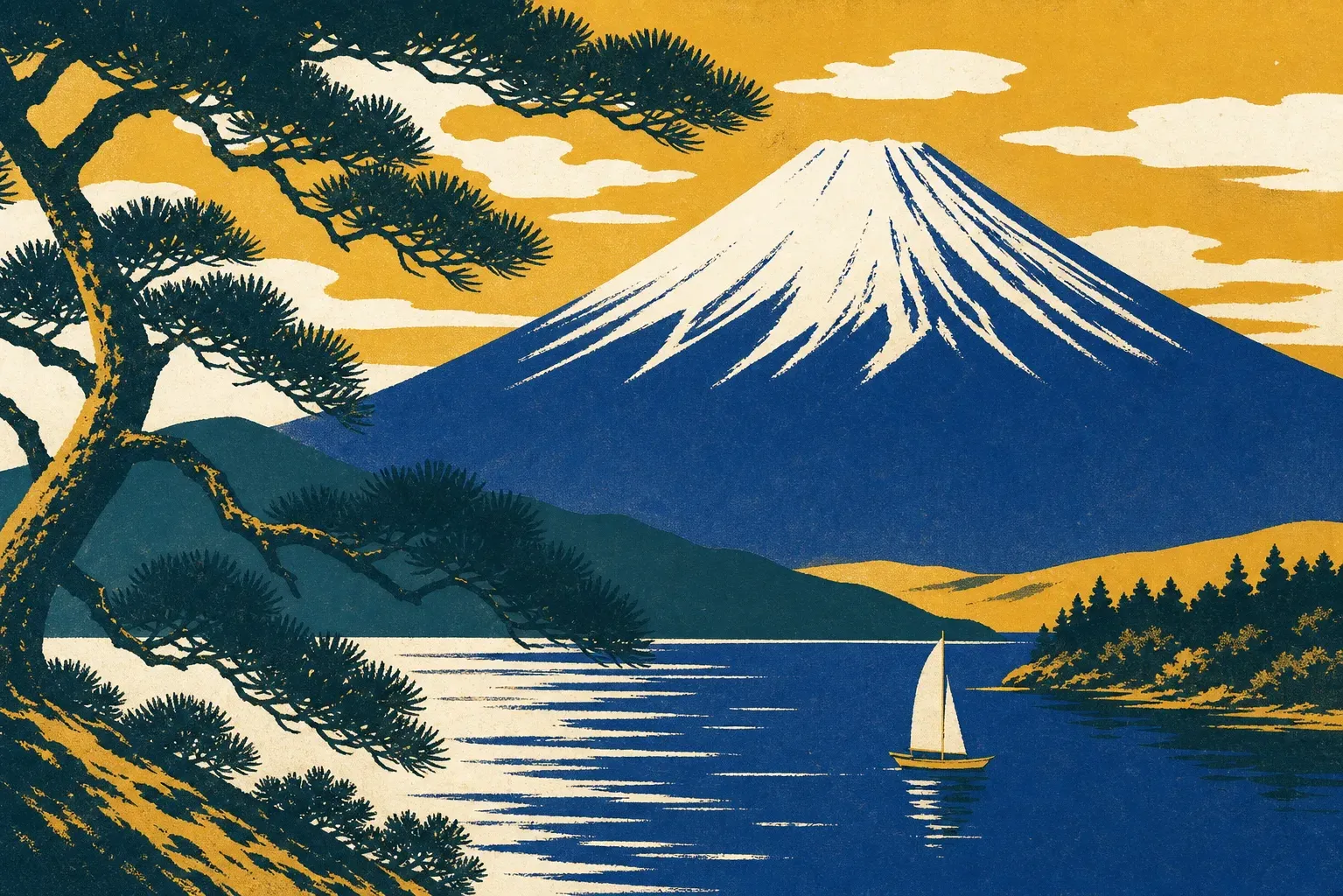
Mt. Fuji (Fujisan)
富士山―信仰の対象と芸術の源泉
- Kawaguchiko Station (Yamanashi side) / Shin-Fuji & Fujinomiya (Shizuoka side)
- ≈2 h from Tokyo
- Depends on route — see Access
- Early July to early September for climbing (only period trails and huts operate)
Quick facts
- ≈2 h from Tokyo
- Fuji Excursion Shinjuku-Kawaguchiko ¥4,200 one way (base fare ¥2,580 + express fee ¥1,620)
- Depends on route — see Access
- Early July to early September for climbing (only period trails and huts operate) · Winter (December-February) for the clearest views of the snow-capped peak · April for cherry blossoms and November for autumn foliage around the Fuji Five Lakes
- Kawaguchiko Station (Yamanashi side) / Shin-Fuji & Fujinomiya (Shizuoka side)
- Climbing any of the four trails in 2026 requires advance registration and a ¥4,000 fee per person; you cannot pay at the trailhead. Yoshida books through Yamanashi's portal (asoview). For the three Shizuoka trails (Fujinomiya, Gotemba, Subashiri) you must install the Shizuoka FUJI NAVI app, finish the compulsory safety e-learning, answer every question of the Fuji-san test correctly, and pay the fee before the app issues the QR entry permit staff check at the gate.
- Trailhead gates are closed from 14:00 to 03:00 to anyone without a mountain-hut reservation, and the Yoshida Trail is capped at 4,000 climbers per day, so overnight 'bullet climbs' straight off a night bus are no longer possible.
- On the Yoshida Trail in 2026, climbers pledge at registration that they carry trekking shoes, cold-weather clothing, and separate rainwear, and staff at the gate may refuse passage to anyone clearly under-equipped.
Overview
Why it's inscribed
Fuji entered the World Heritage list in 2013 as a cultural site, not a natural one, and that distinction should shape your whole visit. The listing doesn't reward a handsome volcano; plenty of countries have those. It rewards what people did with this one. For centuries, pilgrims climbed the 3,776-meter cone believing the climb imbued them with the powers of the gods and buddhas who dwelled there, then walked ritual circuits around the summit crater. During the Edo period that devotion hardened into infrastructure: Fuji-ko societies organized mass pilgrimages, fixed routes ran up the mountain's faces, and shrines and licensed lodging houses fed climbers into the system.
All the while, the mountain's silhouette was doing separate work in art. Hokusai's Thirty-Six Views of Mount Fuji and Hiroshige's prints, both early nineteenth century, carried that shape to Europe and altered the course of Western painting. So the inscription makes two claims at once: a living tradition of mountain worship, and an image that changed art history. It covers 25 separate components spread across Yamanashi and Shizuoka prefectures — the mountain itself, trailhead shrines, pilgrim inns, sacred springs, and a pine grove 45 kilometers away where the painters stood. Seen one by one, they look scattered. Seen together, they're a single pilgrimage machine.
What you'll actually see
Kitaguchi Hongu Fuji Sengen-jinja
Begin where pilgrims began. The approach runs long and straight under tall cedars, lined with stone lanterns, to a red-painted main hall built in 1615. Walk around behind it and you'll find a plain wooden torii: this is the historic start of the Yoshida Trail, where the climb to the summit began on foot before the toll road existed. Some climbers still stop to pray and step through it before heading up. The shrine is free and always open; twenty minutes is enough, though the cedars argue for more. Buses run hourly from Kawaguchiko Station, or it's a 30-minute walk from Fujisan Station.
Former Togawa Residence
A pilgrim inn from 1768 that stayed in business until 1962, five minutes on foot from Fujisan Station up a street aimed squarely at the mountain. The oshi families who ran it were more than innkeepers; they were the pilgrimage's travel agents, lodging Fuji-ko members and guiding them up. Pilgrim clothing and climbing gear are still displayed inside. Admission is ¥100 as of 2026, or ¥400 combined with the Fujisan Museum. Fifteen minutes here explains "sacred place" better than any panel text on the mountain.
Oshino Hakkai
Eight spring ponds in a village between Lake Kawaguchiko and Lake Yamanakako, each counted as its own World Heritage component. The water is snowmelt that has filtered through Fuji's volcanic layers for more than 80 years before surfacing, which is why the ponds are so deep and so clear you can count the fish. Fuji-ko pilgrims purified themselves here before climbing. Be honest with yourself about crowds: the village is heavily touristed and works best early in the day, expectations adjusted. One designated pond lets you drink straight from the source. The small Hannoki Bayashi Shiryokan farmhouse museum charges ¥300 as of 2026.
The mountain itself
One component contains almost everything: the summit's sacred precincts, all four historic ascending routes, and about 93 percent of the inscribed area. If you climb (the 2026 season runs July 1 or 10 to September 10, depending on the trail), you are walking the pilgrimage itself; the Yoshida Trail follows the old route up from the Sengen shrine. Non-climbers can still ride buses to the 5th stations. From the Fujinomiya side, a 30-minute side trail off the 6th station reaches Hoeizan, the raw crater blown out of the mountain's flank in the 1707 eruption. It is the best short walk on the volcano.
Fujisan Hongu Sengen Taisha
Cross to the Shizuoka side for the head shrine of some 1,300 Sengen shrines nationwide, dedicated to the goddess Konohanasakuya-hime. This institution legally owns Mount Fuji above the 8th station, summit shrine included. Its sacred spring, Wakutama-ike, wells up inside the precinct with the same slow-filtered mountain water as Oshino Hakkai; climbers historically washed here before starting up. Grounds open 05:00 to 20:00 from April through September. Next door, the Mt. Fuji World Heritage Centre (¥500 as of 2026) puts you on a sloped spiral ramp that simulates the ascent floor by floor. Plan lunch nearby; Fujinomiya's yakisoba shops cluster around the shrine.
Miho no Matsubara
The odd one out, and worth the detour to Shizuoka City to understand why. This pine grove sits on a sandspit across Suruga Bay, roughly 45 kilometers from the summit; ICOMOS recommended cutting it from the nomination in 2013, and the World Heritage Committee overruled its advisors and kept all 25 components. Miho is where the celestial maiden of the Hagoromo legend hung her feather robe, and the view of Fuji framed through these pines fed centuries of painting and Noh theater. The Miho Shirube cultural center (09:00–16:30 year-round, opened 2019) explains both the art and the constant human labor that keeps the grove alive.
Worth knowing
Learn the Tuesday pattern before you plan anything: the Fujisan Museum and the Former Togawa Residence close on Tuesdays, the Shizuoka World Heritage Centre closes the third Tuesday of the month, and the Yamanashi center's South Hall closes the fourth. Nobody coordinated this for your convenience. Two exceptions are worth banking: the Fujisan Museum stays open every day through July and August, and when a Tuesday falls on a national holiday it opens then and closes the following day instead.
Visibility is the whole game. The mountain hides in cloud more often than not, and July and August, the peak climbing months, are also the haziest. Clear silhouettes belong to winter and the shoulder seasons, in early morning or late afternoon; at Kawaguchiko, be on the lakeshore before 09:00.
About that pagoda photo: Chureito, above Fujiyoshida, is a war memorial built in 1963 and is not one of the 25 components. Go if you like (about 400 steps up), but it sits in a residential neighborhood with documented complaints about noise and litter, so behave like a guest. And treat the water sites as what they are. Oshino Hakkai's ponds are drinking springs and former ablution sites, not wishing wells; drones are banned outright at Fujisan Hongu Sengen Taisha.
Highlights
Summit climb via the Yoshida and other pilgrim trails (official season early July to early September)
Fujisan Hongu Sengen Taisha, head shrine of over 1,300 Sengen shrines (Fujinomiya)
Fuji Five Lakes — Kawaguchiko, Yamanakako, Saiko, Shojiko, Motosuko — for classic reflected views
Oshino Hakkai sacred spring ponds
Shiraito Falls, a 150-meter-wide curtain of spring-fed cascades
Miho no Matsubara pine grove with iconic sea-and-mountain views
Getting there from Tokyo
Direct Fuji Excursion limited express from Shinjuku Station to Kawaguchiko Station (about 1 h 54 min, 4 round trips daily, reserved seats only); alternatively frequent highway buses from Shinjuku (~2 h), or Tokaido Shinkansen to Shin-Fuji/Mishima for the Shizuoka-side shrines and Miho no Matsubara.
Where to base & what to eat
Where to base
Kawaguchiko (Fujikawaguchiko), Yamanashi
The default base, a hot-spring town with the widest choice of rooms, restaurants, and direct Tokyo connections; the tradeoff is the biggest crowds and a Fuji-view room premium that midsummer haze can waste.
Fujiyoshida, Yamanashi
The pilgrimage town itself, where cheap climber guesthouses put the Sengen shrine, the 1768 oshi inn, and ¥500 udon (2026 prices) within walking range; expect a quiet evening scene and no lakefront.
Fujinomiya, Shizuoka
The base for the religious half of the listing, easy off the Tokaido Shinkansen at Shin-Fuji or Mishima if you're headed to Kyoto anyway; international-facing hotels are scarce and the lakes are on the far side of the mountain.
Lake Yamanakako, Yamanashi
The calmest of the lakes, with the best Fuji views from the quiet northern shore and a ¥900 view bath (as of 2026) at Benifuji no Yu, closed Mondays and Tuesdays; there is no train station, so every move runs on bus timetables.
What to eat
Hoto
Yamanashi's iron-pot staple: thick wheat noodles simmered directly in miso broth with kabocha and vegetables until they eat more like dumplings; the Kosaku chain's Kawaguchiko branch is a reliable first try.
Yoshida no udon
Fujiyoshida's weavers' lunch: ferociously chewy noodles in soy-miso broth topped with horse meat and cabbage, served at 50-plus shops for around ¥500 a bowl as of 2026, the best food value on the mountain.
Fujinomiya yakisoba
Strictly defined by three things: chewy steamed mushi-men noodles, crisp niku-kasu lard cracklings, and a dusting of powdered dried sardine; member shops cluster near Fujisan Hongu Sengen Taisha.
Sakura-ebi and shirasu
If you make the Miho no Matsubara trip, Suruga Bay's cherry shrimp and whitebait are the Shimizu-side reward, with Shizuoka oden, wasabi, and green tea rounding out the city's specialties.
Official links
Fares, hours and closures change with little notice. These are the operators' and authorities' own pages — worth a look close to your travel dates.
Related stories
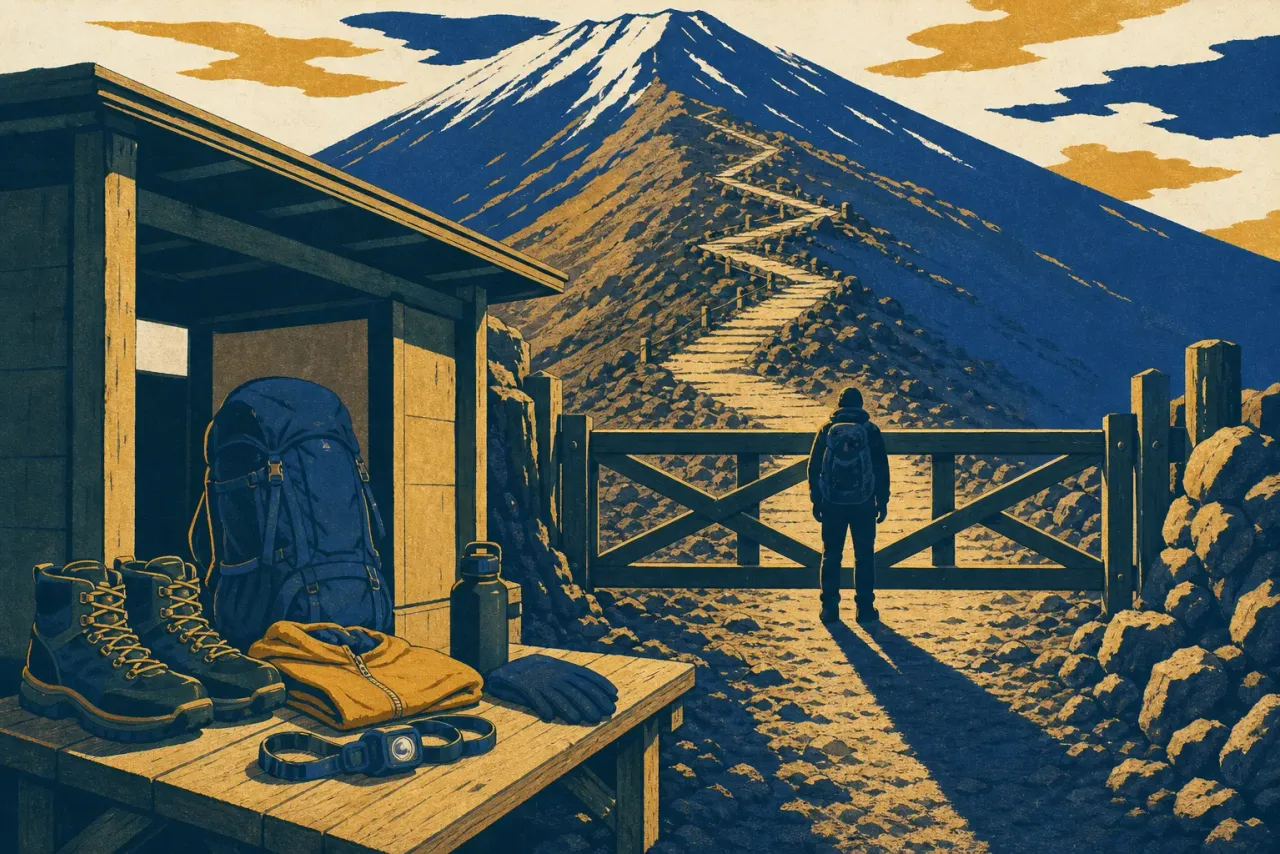
Permits, gates and a 14:00 curfew: climbing Mount Fuji under the 2026 rules
Advance registration on two separate systems, a 4,000-yen fee, a mandatory online test on the Shizuoka side, and gates that shut at 14:00: what it actually takes to climb Mount Fuji in 2026, and how to build a plan the rules will let through.
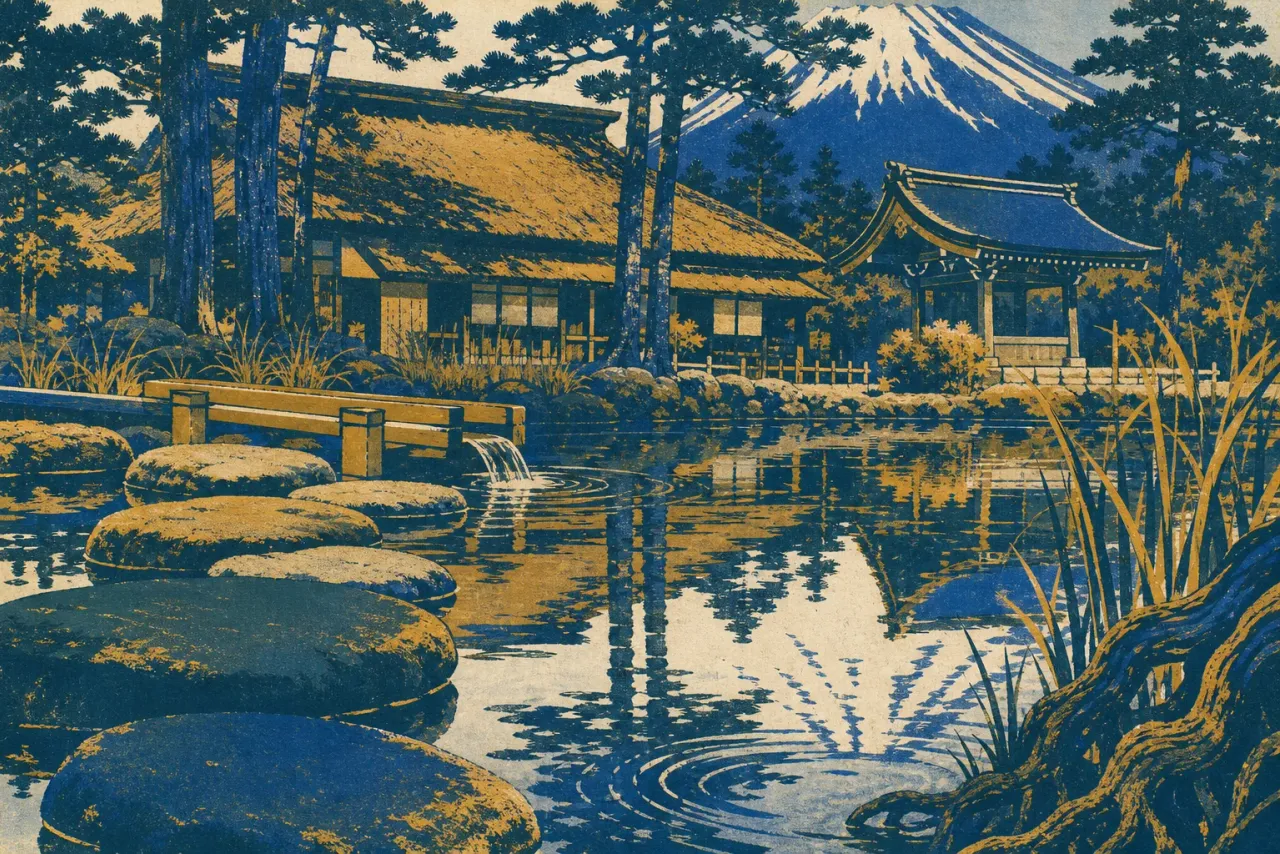
The mountain at ground level: seeing Fujisan's World Heritage without climbing it
Nearly all of Fujisan's 25 World Heritage components sit at ground level: pilgrim inns, trailhead shrines, spring ponds, a pine grove across a bay. A two-sided itinerary for people with no intention of climbing.
Nearby & combine with
Sources
- https://whc.unesco.org/en/list/1418/
- https://www.japan.travel/en/destinations/tokai/shizuoka/mt-fuji-area/
- https://www.japan.travel/en/fuji-guide/mt-fuji-climbing-guide/
- https://e.fujikyu-railway.jp/fujikaiyuu/
- https://www.jrailpass.com/blog/fuji-excursion-train
- https://www.fujisan-climb.jp/en/shizuoka-notice/
- https://www.fujisan-climb.jp/en/yamanashi-notice/
- https://www.fy-museum.jp/info/15
- https://www.fujikyu-railway.jp/station/